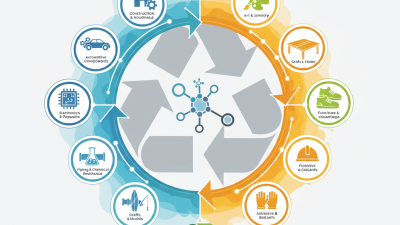
Choosing among the 10 Best High Quality Epoxy Resin Suppliers requires more than comparing prices or glossy product photos. A dependable supplier should provide consistent viscosity, reliable curing data, technical documentation, and responsive support. These details matter when resin is poured into a table, used for composite parts, or applied as an industrial coating.
Small differences matter.
A cloudy component, inaccurate mixing ratio, or unstable curing time can ruin an entire project. Dr. Johannes Karl Fink, a respected polymer scientist and author of Reactive Polymers Fundamentals and Applications, states, “The properties of epoxy resins depend on the chemical structure of the resin and the curing agent.” His observation explains why supplier evaluation must include chemistry, not only marketing claims. Buyers should examine resin formulation, hardener compatibility, temperature resistance, bond strength, and batch consistency.
This guide compares ten prominent suppliers through practical and evidence-based criteria. It considers product quality, testing transparency, manufacturing experience, customization, delivery reliability, and customer service. Safety data sheets and technical data sheets also deserve attention. They reveal handling requirements and performance limits.
No ranking is perfect.
A resin that works beautifully for clear casting may fail in a demanding structural application. I also recognize that regional availability, project scale, and technical skill can change the final choice. Therefore, this comparison offers a careful starting point rather than an absolute verdict. Readers should confirm specifications with suppliers before purchasing, especially for high-temperature, load-bearing, or long-term outdoor applications.

A high-quality epoxy resin supplier proves performance before making promises. Technical data sheets should show viscosity, mix ratio, cure time, glass-transition temperature, and batch tolerances. These details help a technician predict whether resin will flow around a carbon-fiber edge or remain trapped in a corner.
Consistency matters more than a single impressive sample. Suppliers should provide batch certificates, traceability records, shelf-life guidance, and controlled storage information. ISO 9001-based quality systems can support repeatable production, but certification alone does not guarantee suitable resin. Ask for independent test results using recognized ASTM or ISO methods. Small differences in moisture, temperature, or mixing can change the final result.
The market is expanding quickly. Fortune Business Insights valued the global epoxy resin market at approximately USD 12.74 billion in 2023 and projected continued growth through 2032. That growth increases supplier choices, but it can also reward vague claims. A reliable supplier explains limitations clearly. Does the resin yellow under ultraviolet exposure? Does it release heat during thick casting? Can technical staff troubleshoot incomplete curing?
Real project experience matters. Request application samples, not only polished brochures. Test a small batch at your actual room temperature. I have seen “easy-cure” materials remain tacky after incorrect mixing. That failure may belong to the process, not the supplier, so honest evaluation requires both sides. Supplier quality is therefore a combination of measurable data, responsive support, and repeatable results.
Choosing among high-quality epoxy resin suppliers requires more than comparing prices or reading polished product claims. A reliable supplier should provide a current technical data sheet, safety data sheet, certificate of analysis, and clear batch traceability. These documents should identify the mixing ratio, viscosity, curing time, hardness, tensile strength, and recommended storage conditions. Missing details create unnecessary risk.
Practical testing reveals more than marketing language. Measure both components with a precise scale, then record the room temperature and humidity. A consistent resin should mix smoothly, release few bubbles, and cure without soft spots or oily surfaces. Check adhesion on glass, wood, and metal after full curing. Observe yellowing under sunlight and inspect the surface after several days. Small differences matter.
Safety also reflects supplier reliability. Packaging should be sealed, labeled, and supported by handling instructions. Good guidance explains ventilation, protective gloves, eye protection, spill response, and disposal requirements. I would not trust a glossy datasheet alone. One overlooked issue is moisture; it can cause clouding, bubbles, or weak adhesion. Even careful testing has limits, because workshop conditions rarely match laboratory conditions. Asking for representative samples and repeating tests is wiser than accepting one impressive result. Suppliers who answer technical questions clearly usually deserve closer evaluation.
The ten leading epoxy resin suppliers usually compete through distinct strengths, not identical product catalogs. Global formulators offer stable worldwide supply and broad technical support. Specialty electrical suppliers focus on insulation, dielectric strength, and thermal cycling. Marine and coating suppliers emphasize water resistance, adhesion, and UV durability. Construction specialists develop low-shrinkage systems for flooring, repair, and structural bonding. Tooling suppliers provide fast-curing resins for molds and prototypes. Composite experts support carbon and glass fiber processing. Adhesive suppliers prioritize toughness and controlled open time. Bio-based developers reduce fossil content. Regional manufacturers often deliver shorter lead times. Distributors add local inventory and formulation guidance.
Grand View Research estimated the global epoxy resin market at approximately USD 12 billion in 2023, with growth expected through 2030. MarketsandMarkets has also reported annual growth near the mid-single digits. These figures show expanding demand, but market size does not prove technical quality. Buyers should compare epoxy equivalent weight, viscosity, gel time, heat resistance, and batch records. Ask for a current technical data sheet and safety data sheet. Request sample panels, too.
Details matter. A resin that pours smoothly at 25°C may thicken sharply in a cold workshop. A flooring system can look excellent for weeks, then yellow near a sunlit window. Supplier claims need testing under real humidity and temperature conditions. I would also examine complaint handling and lot-to-lot consistency. Some “premium” systems remain difficult to process. That weakness deserves honest attention.
10 Best High Quality Epoxy Resin Suppliers?
When comparing high-quality epoxy resin suppliers, product type should come before price. Casting resin usually offers low viscosity and longer working time for molds. Coating grades may self-level across timber, metal, or concrete. Laminating systems need controlled wet-out and reliable bonding under pressure. For electronic parts, electrical stability matters more than a glossy finish. I have found that curing schedules change noticeably with room temperature. That detail is easy to overlook. Test small batches first.
The best fit also depends on the industry. Marine repair demands moisture resistance and dependable adhesion. Construction projects often need strong bonding and stable performance across large surfaces. Electronics manufacturers may require thermal resistance, insulation, and low shrinkage. Decorative makers usually prioritize clarity, color stability, and bubble release. A supplier serving many markets is not automatically an expert. Ask for application records, test methods, and batch traceability. Technical evidence beats polished claims.
Technical support often separates reliable suppliers from ordinary ones. Request technical data sheets, safety documents, mix ratios, viscosity, hardness, shelf life, and curing data. Strong support should explain defects, such as tacky surfaces, trapped bubbles, or uneven curing. A useful engineer asks about humidity, substrate preparation, and production speed. Not every supplier offers trials or process guidance. This makes comparison imperfect. A lower price may create higher rework costs later. Ask precise questions.
| Supplier Profile | Primary Epoxy Product Types | Typical Performance Characteristics | Industries Served | Common Quality Documentation | Technical Support Typically Available | Best Fit |
|---|---|---|---|---|---|---|
| Profile 01 Industrial coating specialist |
Two-component solvent-free epoxy coatings, primers, and high-build floor systems | Strong adhesion, chemical resistance, abrasion resistance, and low VOC potential | Warehouses, factories, parking areas, food-processing facilities, and utilities | Technical data sheet, safety data sheet, application guide, batch information, and VOC data where applicable | Substrate assessment, mixing-ratio guidance, surface-preparation advice, and on-site application support | Heavy-duty floors |
| Profile 02 Electrical encapsulation supplier |
Electrical-grade casting resins, potting compounds, and low-viscosity impregnation systems | Electrical insulation, moisture protection, dielectric strength, and controlled cure behavior | Transformers, sensors, motors, power electronics, cable accessories, and control equipment | TDS, SDS, dielectric-property data, viscosity data, cure schedule, and thermal-performance information | Application trials, vacuum or pressure-processing guidance, thermal analysis, and electrical testing recommendations | Electronic components |
| Profile 03 Composite-material system supplier |
Laminating resins, infusion systems, prepreg resins, and structural bonding adhesives | High fiber wet-out, low shrinkage, good fatigue performance, and high fiber-to-resin adhesion | Wind-energy components, marine structures, transportation, sporting goods, and industrial composites | TDS, SDS, cure-cycle data, viscosity profile, mechanical-property data, and storage requirements | Fiber compatibility review, process optimization, laminate testing, and cure-cycle development | Fiber composites |
| Profile 04 Construction repair supplier |
Concrete crack-injection resins, anchoring adhesives, repair mortars, and bonding agents | High bond strength, low shrinkage, load transfer, and resistance to water and chemicals | Bridges, buildings, industrial plants, tunnels, foundations, and infrastructure maintenance | TDS, SDS, installation instructions, storage data, test reports, and applicable construction approvals | Crack assessment, hole-cleaning instructions, anchoring design guidance, and installer training | Structural repair |
| Profile 05 Adhesive formulation supplier |
Two-part structural adhesives, toughened epoxies, paste adhesives, and film adhesives | High lap-shear strength, impact resistance, gap filling, and controlled working time | Automotive components, machinery, appliances, furniture, and general assembly | TDS, SDS, lap-shear data, peel-strength data, open time, fixture time, and storage information | Substrate testing, joint-design review, dispensing advice, and accelerated-aging evaluation | Bonded assemblies |
| Profile 06 Encapsulation and casting supplier |
Clear casting resins, deep-pour systems, filled casting compounds, and decorative epoxy systems | Optical clarity, low bubble formation, dimensional stability, and adjustable cure speed | Decorative products, prototypes, electrical parts, laboratory models, and small-batch manufacturing | TDS, SDS, mixing instructions, maximum pour-depth guidance, cure profile, and color-compatibility notes | Bubble-control advice, mold compatibility review, pigment guidance, and sample evaluation | Clear casting |
| Profile 07 Marine and protective-coating supplier |
Marine laminating resins, barrier coats, fairing compounds, and underwater repair epoxies | Moisture resistance, adhesion to prepared substrates, corrosion protection, and weatherable topcoat compatibility | Boats, docks, offshore equipment, water infrastructure, and corrosion-control projects | TDS, SDS, surface-preparation guide, overcoating window, immersion data, and compatibility information | Substrate-moisture assessment, repair-procedure guidance, laminate design support, and coating-system selection | Marine protection |
| Profile 08 Aerospace-grade materials supplier |
High-temperature prepreg systems, structural adhesives, honeycomb bonding films, and repair resins | High specific strength, elevated-temperature capability, low void potential, and controlled cure cycles | Aircraft interiors, aerospace structures, unmanned systems, defense equipment, and advanced composites | TDS, SDS, qualification data, mechanical-property reports, cure-cycle records, and lot traceability | Process qualification, coupon testing, autoclave or oven-cycle support, and traceability documentation | High-performance composites |
| Profile 09 Renewable-energy component supplier |
Wind-blade infusion resins, adhesive systems, repair pastes, and electrical insulation compounds | Low viscosity, long working time, fatigue resistance, weather resistance, and reliable large-part cure | Wind turbines, solar equipment, energy storage, power distribution, and grid infrastructure | TDS, SDS, infusion data, gel-time information, mechanical testing, and batch traceability | Large-part process modeling, infusion troubleshooting, repair-method development, and field support | Energy infrastructure |
| Profile 10 Custom and specialty-formulation supplier |
Customized epoxy formulations, filled systems, flame-retardant grades, flexible epoxies, and low-temperature curing systems | Application-specific balance of viscosity, toughness, thermal performance, flame resistance, and cure speed | Medical equipment, transportation, electronics, industrial automation, consumer products, and niche manufacturing | TDS, SDS, formulation specifications, validation reports, regulatory declarations, and change-control records | Joint development, formulation adjustment, pilot-scale trials, failure analysis, and production scale-up | Special applications |
10 Best High Quality Epoxy Resin Suppliers?
How to Choose the Right Epoxy Resin Supplier for Your Needs
Choosing an epoxy resin supplier requires more than comparing prices. Start with the technical data sheet. Check viscosity, mixing ratio, curing time, hardness, and heat resistance. These details should match your project conditions. A clear product specification suggests stronger technical control. However, documents alone cannot prove consistent quality.
Ask for a small sample before placing a large order. Test it on your actual surface, under similar temperature and humidity. Look for bubbles, uneven curing, yellowing, and surface tackiness. Request a certificate of analysis and batch traceability. Reliable suppliers should explain storage limits, shelf life, and safe handling. Their support team should answer specific questions without vague promises. A low price may hide unstable batches or weak after-sales service. I would still review independent feedback, because supplier websites show only part of the story.
Tips: Compare at least three samples. Record mixing time and room temperature. Keep test photos. Check packaging before acceptance. Ask how complaints are handled. Do not ignore small flaws. They may become expensive later. Also, reassess your choice after real production, since laboratory results can differ from daily working conditions.


All of Hapco's formulations are completely free of Mercury.

Hapco has been in business for over 50 years!

*NOTICE* Hapco will be will be closed on Monday, May 26th, in observance of Memorial Day. |
| Cookie | Duration | Description |
|---|---|---|
| cookielawinfo-checkbox-analytics | 11 months | This cookie is set by GDPR Cookie Consent plugin. The cookie is used to store the user consent for the cookies in the category "Analytics". |
| cookielawinfo-checkbox-functional | 11 months | The cookie is set by GDPR cookie consent to record the user consent for the cookies in the category "Functional". |
| cookielawinfo-checkbox-necessary | 11 months | This cookie is set by GDPR Cookie Consent plugin. The cookies is used to store the user consent for the cookies in the category "Necessary". |
| cookielawinfo-checkbox-others | 11 months | This cookie is set by GDPR Cookie Consent plugin. The cookie is used to store the user consent for the cookies in the category "Other. |
| cookielawinfo-checkbox-performance | 11 months | This cookie is set by GDPR Cookie Consent plugin. The cookie is used to store the user consent for the cookies in the category "Performance". |
| viewed_cookie_policy | 11 months | The cookie is set by the GDPR Cookie Consent plugin and is used to store whether or not user has consented to the use of cookies. It does not store any personal data. |