2026 Best Compact Radiator Types for Global Buyers
Choosing the right Compact Radiator is rarely as simple as selecting the smallest model available. Global buyers must balance heat output, wall space, water temperature, material quality, installation limits, and local climate. A narrow steel panel may suit a well-insulated apartment in London. It may struggle in a poorly insulated home during a harsh Canadian winter. Small dimensions do not guarantee sufficient comfort.
John Barba, a respected hydronic-heating educator, has said, “Comfort begins with correct design, not simply with larger equipment.” That principle guides this 2026 comparison. The best Compact Radiator depends on room heat loss, pipework, control systems, and daily usage. Aluminum radiators respond quickly. Steel models often provide dependable durability and familiar installation options. Cast-iron designs retain warmth longer, but they demand stronger walls and more space.
Details matter. A radiator placed beneath a cold window can reduce downdraughts. A thermostatic valve can prevent unnecessary overheating. Poor sizing remains a common mistake. So does trusting a product photograph more than its technical data.
This guide examines compact panel, column, aluminum, electric, and low-temperature radiator types for international buyers. It considers performance, maintenance, efficiency, appearance, and purchasing risks. Product availability differs between markets. Certifications and connection standards also vary. Buyers should verify those requirements locally.
Some recommendations will remain conditional. That is intentional. No single Compact Radiator performs perfectly in every building, climate, or budget. A careful choice begins with measured room requirements, not attractive marketing claims.
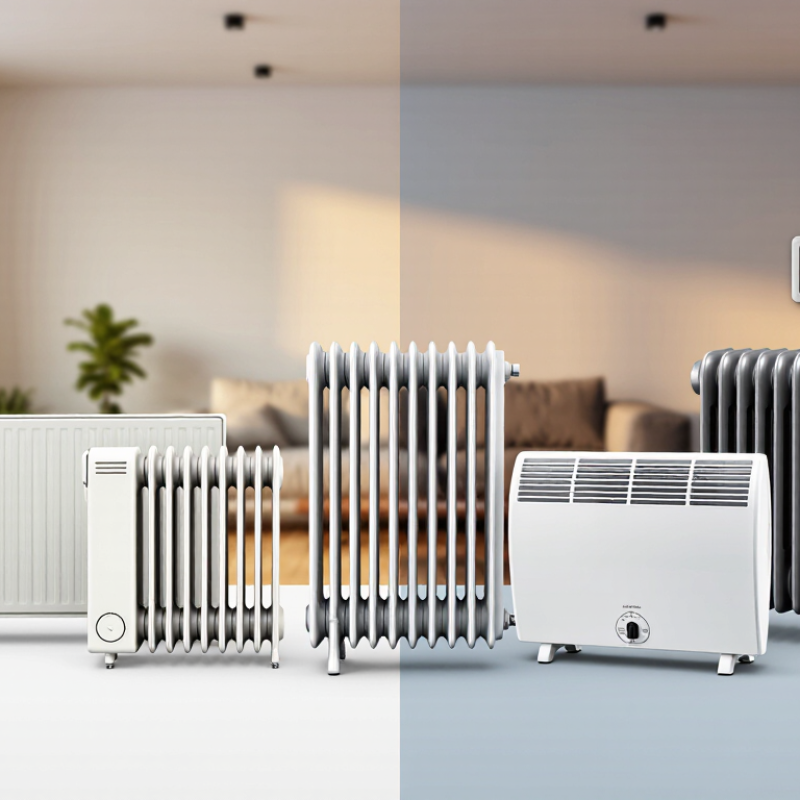
What Defines a Compact Radiator in 2026
What Defines a Compact Radiator in 2026
A compact radiator is not simply a smaller heating panel. It combines reduced depth, practical width, and reliable heat output for limited rooms. In 2026, buyers also assess installation space, energy controls, surface temperature, and maintenance access. A unit may look compact, yet waste space behind thick pipework. Fit is not enough.
Experienced installers measure the wall, window position, pipe route, and furniture clearance before recommending a model. They compare tested heat output at realistic operating temperatures, rather than trusting appearance or marketing language. Lower-temperature heating systems need careful sizing. A narrow radiator can underperform if its output is poorly matched to the room. That mistake is common.
Modern compact designs often use steel or aluminium, with vertical, horizontal, panel, or low-level formats. Their value depends on more than material. Response speed, corrosion resistance, valve compatibility, and secure mounting also matter. Buyers should request clear technical data, installation instructions, warranty terms, and applicable safety certifications. Requirements vary between countries, so local professionals should verify compliance.
Smart controls may improve comfort, but they cannot correct an incorrectly sized radiator. I have found that visual compactness sometimes distracts from cleaning access and future repairs. This deserves more attention. A dependable choice balances dimensions, verified performance, safe installation, and the room’s actual heating needs.
Main Types of Compact Radiators for Different Heating Systems
2026 Best Compact Radiator Types for Global Buyers
Compact radiators vary by heating system, room size, and local climate. Hydronic panel radiators suit boilers and central water systems. Their slim steel panels provide steady heat while using limited wall space. Compact column radiators offer stronger convection and a traditional appearance. They can work well in renovated homes with moderate water temperatures.
Electric radiators are practical where water pipes are unavailable. Oil-filled and dry thermal models store heat differently, so response times can vary. Buyers must match voltage, frequency, plug design, and safety certification to the installation country. A small electric unit may warm a study efficiently, but it can struggle in a poorly insulated room.
Heat-pump systems need low-temperature radiators with larger surfaces. Compact fan-assisted radiators can improve output without demanding very hot water. Bathroom towel radiators add drying space, yet their heating performance may be limited. Measure the wall, window position, pipe centers, and required heat output before ordering.
I have seen compact units chosen for appearance, then undersized after installation. That mistake is expensive.
Thermostatic valves improve room control and reduce wasted energy. Corrosion protection also matters in humid rooms or mixed-metal pipework. Local installers should verify pressure ratings, electrical rules, and mounting strength. Product data is useful, but real building conditions remain decisive.
How to Compare Efficiency, Heat Output, and Space Requirements
Choosing a compact radiator starts with room heat loss, not appearance. Measure the room, window area, insulation, ceiling height, and local winter temperature. A small, attractive unit may struggle beside a poorly insulated window. It happens.
Panel radiators suit many bedrooms because they provide steady hydronic heat with modest wall depth. Vertical models save floor space but require enough wall height and careful pipe positioning. Electric convectors install more easily where water lines are unavailable, yet their running cost depends heavily on electricity prices and controls. Infrared units need clear surfaces and may feel unevenly warm in large rooms. Compare tested heat output under the same conditions, such as watts at a stated water-temperature difference. Unlabelled figures are difficult to trust.
Check the radiator’s output against a professional heat-loss calculation, rather than relying only on room-size charts. A 1,000-watt unit can perform differently in a drafty office than in a sealed apartment. Look for thermostatic control, accurate adjustment, safe surface temperatures, and corrosion resistance for the local water system. Confirm voltage, pressure ratings, plug requirements, and installation rules before purchase. Leave clearance around the unit for airflow and maintenance access. In narrow hallways, depth can matter more than width. I once underestimated furniture clearance; the radiator fitted, but the door opened badly. That small mistake changed the practical layout. Compare delivered heat, dimensions, controls, installation complexity, and long-term operating conditions together.
Regional Standards, Energy Sources, and Climate Considerations
2026 Best Compact Radiator Types for Global Buyers
Regional Standards, Energy Sources, and Climate Considerations
Choosing a compact radiator in 2026 requires more than measuring wall space. Regional standards, energy sources, and climate conditions change the practical answer. In a mild coastal apartment, a low-temperature hydronic panel may provide steady warmth with modest water flow. In a colder inland home, a higher-output steel or cast-aluminum unit may recover heat faster after nighttime setbacks. Check local pressure ratings, valve connections, electrical rules, and efficiency labels before ordering. Measurements matter.
Hydronic radiators suit homes with boilers, heat pumps, or district heating. They work quietly and preserve floor space when mounted vertically. Electric panel radiators fit rooms without pipework, but running costs depend heavily on local electricity prices. In regions using coal-heavy power, direct electric heat may be less attractive environmentally. Where renewable electricity is common, it can suit a small office or guest room. Infrared units heat occupants and surfaces quickly, yet furniture placement affects comfort.
Climate should guide control choices. Humid coastal regions need corrosion-resistant finishes and ventilation around cold exterior walls. Dry, freezing climates reward accurate thermostatic control and insulated pipework. I have seen compact units underperform when buyers choose by appearance alone. That mistake is easy. Output should match room heat loss, not catalog size. A heat-loss assessment is safer than guessing from floor area, although older buildings can produce uncertain results. Recheck performance after one winter, especially near windows, doors, and uninsulated corners.
Key Buying Factors for Global Radiator Buyers
2026 Best Compact Radiator Types for Global Buyers
Compact radiators are not chosen by size alone. For global buyers, heat output, system compatibility, and local installation rules matter more. Panel radiators suit many bedrooms and offices because they provide steady warmth with modest wall depth. Aluminum models are lighter and respond quickly to thermostat changes. Cast iron units retain heat longer, but their weight and shipping cost can complicate international projects. Small bathroom radiators also need suitable towel spacing and moisture-resistant finishes.
Measure the wall, pipe centers, window position, and available clearance before ordering. A radiator that fits a catalog may not fit the actual room. Calculate required output using room volume, insulation, window area, and outdoor temperature. Many online charts are too general. No sizing method is flawless. Ask for tested heat-output data at the operating temperatures your heating system uses, rather than relying only on product dimensions.
Material quality deserves close attention in regions with hard water or mixed-metal plumbing. Confirm corrosion protection, working pressure, valve compatibility, and test documentation. Check whether local regulations require specific safety markings or installer qualifications. Packaging is often overlooked; damaged corners can affect both appearance and performance. Compare the full cost, including freight, duties, valves, installation, and replacement parts. A cheaper unit may become expensive after one difficult repair. Reliable suppliers should provide clear manuals, traceable specifications, and responsive technical support.