2026 Best Feather Meal Processing Machine for Sale
Choosing the 2026 Best Feather Meal Processing Machine for Sale starts with understanding the material and the intended output. A Feather Meal Processing Machine can include equipment for cooking or hydrolysis, drying, grinding, and conveying. The right configuration depends on incoming feather volume, moisture, available floor space, and the meal’s required consistency. Details matter. A compact plant may need a different layout from a high-throughput operation, even when both process similar raw material.
This guide outlines practical points buyers should check before requesting a quotation. Compare stated capacity with the conditions behind that figure, including feed moisture and operating hours. Review temperature controls, dryer design, dust management, access for cleaning, and the availability of replacement parts. Ask suppliers for clear specifications and, where possible, references or evidence from comparable installations. These checks make equipment claims easier to assess. They do not remove every uncertainty.
Installation needs careful planning. Operators should confirm utility requirements, space for maintenance, and suitable procedures for handling hot material and airborne dust. A machine’s purchase price alone says little about long-term value; energy use, labor, wear parts, and service support also affect costs. And one detail is often overlooked: actual performance can differ from a catalog estimate. This outline helps readers compare machine types, key components, operating considerations, and supplier questions with a practical, evidence-minded approach. The best option is the one that fits the plant’s real needs, not simply the boldest claim.
What Is a Feather Meal Processing Machine?
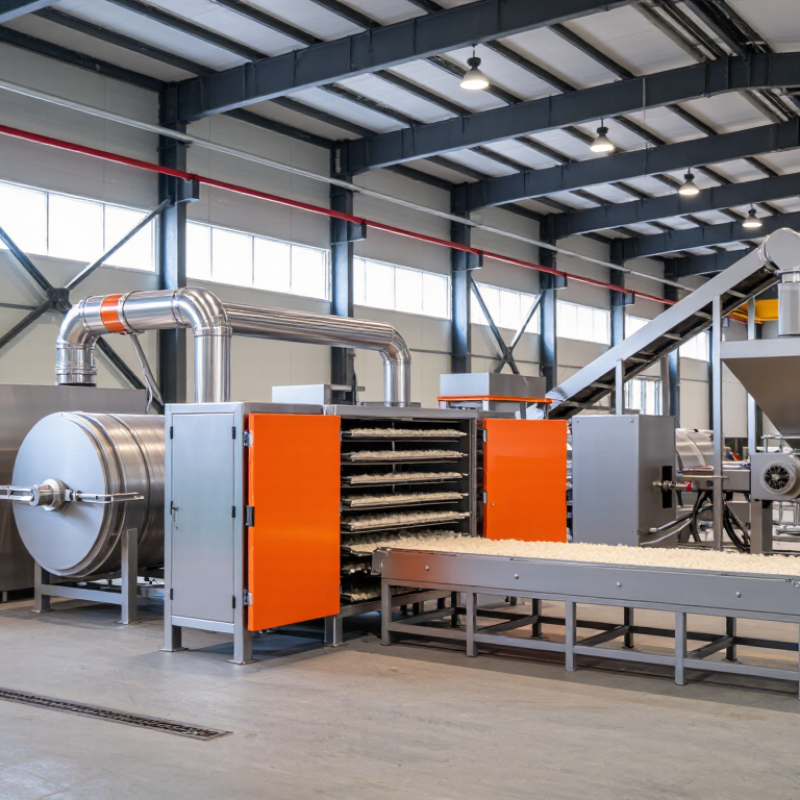
A feather meal processing machine is not just a cooker. It is a coordinated system that converts cleaned feathers into a stable, milled ingredient. Depending on the design, it may include a hydrolysis vessel, steam supply, dryer, grinder, and dust-control equipment. Inside the vessel, controlled heat, pressure, and processing time help break down keratin, the tough protein in feathers. The material is then dried to a suitable moisture level and ground into a consistent meal. Details matter. Poorly controlled processing can leave uneven particles or a product that does not meet the operator’s quality targets.
When evaluating a machine for sale, match its stated capacity to your actual feather volume and operating schedule. Ask how temperature and pressure are monitored, how batches are unloaded, and which surfaces require routine cleaning. Check the dryer’s energy demand and whether the grinder can produce the particle size your downstream process needs. These are practical questions, not just paperwork. The first setup is rarely perfect; feedstock moisture and batch size can vary, so operators may need to adjust settings. Request performance data under comparable conditions, plus clear maintenance instructions. A useful machine should be understandable to the people who run it every day.
How Feather Meal Is Produced from Raw Feathers
2026 Best Feather Meal Processing Machine for Sale
How Feather Meal Is Produced from Raw Feathers
Raw feathers arrive light, tangled, and often mixed with small amounts of debris. Workers inspect and sort them before processing. Consistent preparation helps protect equipment and produce a more even meal. Small details matter.
The cleaned feathers enter a hydrolyzer, where controlled heat and pressure soften keratin, the tough protein in feather shafts. This step improves digestibility, but time, pressure, and steam supply need careful control. A batch that is processed too little may remain difficult to digest; excessive treatment can waste energy and affect product quality. Not every batch behaves alike.
After hydrolysis, the material is dried to a stable moisture level, then ground and screened into a more uniform meal. Operators should check moisture, particle size, and processing records rather than relying on appearance alone. Laboratory testing can help verify protein quality and other specifications.
When evaluating a feather meal processing machine for sale, consider the full line, including feed handling, steam capacity, drying, and milling. A fast hydrolyzer is not much help if the dryer becomes a bottleneck. That part is easy to overlook.
Key Components and Functions of the Processing Machine
The key components of a feather meal processing machine determine whether raw feathers become a consistent, usable ingredient. A feed hopper and cutter meter and reduce the feathers before hydrolysis. In the pressure vessel, heat, moisture, and controlled residence time soften keratin and improve its digestibility. Feedipedia, a technical resource developed with INRAE, CIRAD, AFZ, and FAO, reports feather meal crude protein at roughly 80–90% of dry matter. High protein alone is not enough. Poor hydrolysis can leave tough strands that resist digestion.
After hydrolysis, a press or dewatering unit removes excess liquid, while a dryer brings the material to a stable moisture level. A hammer mill then produces a more even particle size for blending. Dust collection matters, too; fine meal can coat nearby surfaces and complicate housekeeping. During a machine inspection, check vessel seals, temperature sensors, discharge flow, and access for cleaning. Watch a full cycle, not just an empty run. Small details matter. A polished control panel cannot correct uneven feeding or a blocked outlet. Buyers should compare throughput against actual feather moisture and batch size, since advertised capacity may not reflect daily operating conditions.
2026 Best Feather Meal Processing Machine for Sale: Key Components and Functions
Typical process sequence for a feather meal line. Equipment layout and operating conditions vary by system.
- Feed conveyor: Transfers raw feathers into the processing line.
- Hydrolyzer: Uses heat and pressure to hydrolyze feathers and make their proteins more digestible.
- Dryer: Reduces moisture in the hydrolyzed material.
- Hammer mill: Grinds dried material into a more uniform meal.
- Screener: Separates particles by size; oversized material may be returned for further grinding.
The bars show process order only (1–5), not machine capacity, efficiency, or performance.
Factors to Consider When Selecting a Feather Meal Machine
2026 Best Feather Meal Processing Machine for Sale
Factors to Consider When Selecting a Feather Meal Machine
Choosing a feather meal machine starts with the material and your target output. Wet feathers behave differently from dried ones, so ask how the system handles moisture and prepares feedstock. Match rated capacity to your actual daily volume, not an optimistic future estimate. A machine running far below its intended load may be an awkward fit. Check whether heating, hydrolysis, drying, and grinding stages are included or require separate equipment.
Look closely at construction and routine maintenance. Feathers can carry moisture and residue, so accessible cleaning points and corrosion-resistant contact surfaces matter. Ask how operators inspect wear parts, clear blockages, and replace components. Controls should make temperature and processing time easy to monitor. Request a test using representative material, and review the finished meal’s moisture and particle consistency. Be cautious with capacity claims that lack clear operating conditions.
Tips: Compare energy use, water needs, and labor requirements alongside purchase price. Ask for a written specification sheet and service schedule. If possible, observe a full production cycle. Small details count. A machine may look suitable on paper, yet cleaning access or uneven feed can become daily frustrations. Include installation space and operator training in your evaluation.