
Choosing among the 2026 Best Wheel Carrier Casting Suppliers Worldwide requires more than comparing quoted prices. Wheel Carrier Casting supports critical vehicle systems, where strength, alignment, and consistency directly affect performance. A capable supplier should demonstrate proven foundry experience, controlled alloy selection, and repeatable production methods. Look for clear evidence, not attractive promises.
This guide examines suppliers through practical manufacturing criteria. These include casting accuracy, material traceability, heat-treatment control, machining capability, and inspection discipline. Reliable companies can provide material certificates, dimensional reports, sample approvals, and non-destructive testing records. Their engineers should also explain how they manage porosity, shrinkage, warping, and surface defects. Small details matter.
Delivery performance matters too. A strong supplier communicates realistic lead times and responds quickly when designs change. Factory audits, production samples, and customer references can reveal more than polished websites. Regional standards, export documentation, and quality certifications deserve careful review. Certification alone is not enough.
No supplier is perfect. Some published information may be incomplete, while customer feedback can reflect one project only. Therefore, this overview combines technical evidence with commercial experience and cautious comparison. The final choice should match your vehicle platform, annual volume, tolerance requirements, and budget. A low initial price may become expensive after rework, delayed tooling, or inconsistent batches. Careful evaluation reduces those risks and supports a more dependable long-term partnership.
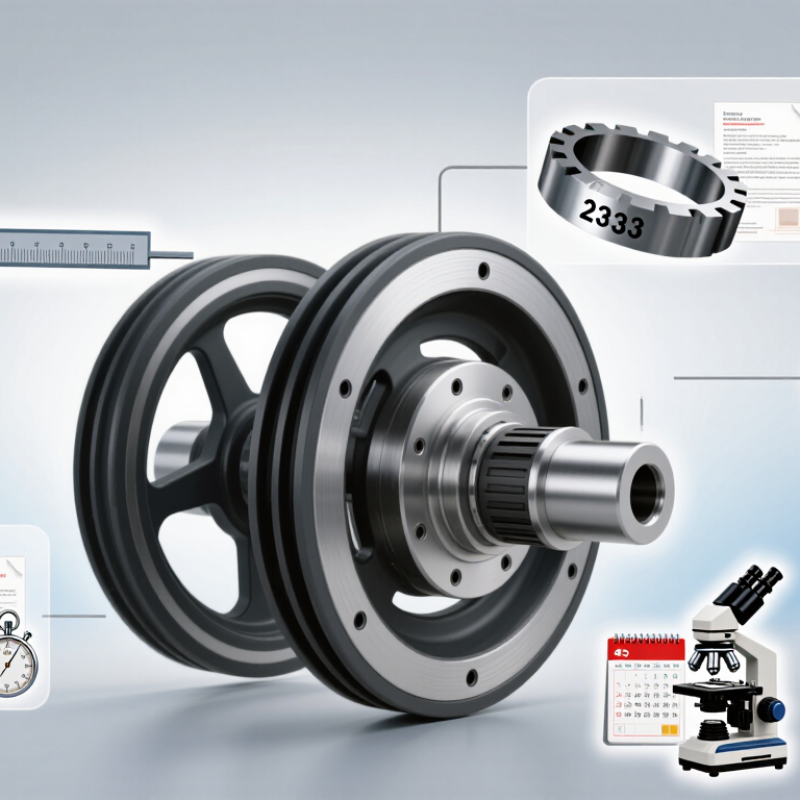
Wheel carrier castings are structural components that connect the wheel hub, suspension, steering, and braking systems. They are commonly produced from ductile iron or aluminum alloys. Their shape must resist radial loads, cornering forces, vibration, and repeated braking heat. ISO 8062 provides dimensional and geometrical tolerances for castings, helping buyers evaluate production consistency. In practice, a clean bearing seat matters as much as the alloy certificate. Small defects can create costly assembly problems.
Automotive remains the largest application, but wheel carrier castings also support commercial vehicles, agricultural machinery, trailers, and selected off-road equipment. The World Foundry Organization’s 2023 World Casting Census recorded about 109 million tonnes of global castings in 2022. This scale reflects casting’s continuing importance in mobility and industrial manufacturing. Aluminum designs can reduce mass, while ductile iron offers strength and impact resistance. Neither material is automatically superior. Load paths, corrosion exposure, machining needs, and total lifecycle cost must decide the choice.
Tips: Ask suppliers for tensile results, fatigue evidence, porosity controls, and traceable heat numbers. Review CT or X-ray inspection methods for safety-critical areas. Request sample dimensional reports before approving volume production. A useful audit also checks mold maintenance, machining capability, and corrective-action records. Data can look impressive, yet process discipline is easier to trust when the supplier shows physical evidence. Be cautious with vague “premium quality” claims.

Wheel carrier castings demand a careful balance between strength, weight, fatigue resistance, and cost. Ductile iron remains attractive for heavy-duty applications because its graphite nodules improve toughness and vibration control. Aluminum alloys reduce mass, but they require stricter control of porosity and heat treatment. The International Aluminium Institute reported about 72.8 million tonnes of primary aluminum production in 2024. Material availability is strong, yet alloy consistency still depends on regional supply and furnace practice.
Manufacturing begins with simulation-led mold design, followed by controlled melting, filtration, and filling. Gravity casting suits simpler geometries, while low-pressure casting can improve dimensional stability in aluminum parts. Ductile iron requires magnesium treatment, inoculation, and accurate cooling control. Small process errors can create shrinkage, inclusions, or uneven microstructures. They may remain invisible until fatigue testing.
The IEA Global EV Outlook 2025 recorded more than 17 million electric car sales in 2024. This trend increases pressure for lighter suspension components. However, lighter is not automatically safer. A carrier should pass tensile, impact, fatigue, dimensional, and corrosion tests. The World Steel Association reported approximately 1.88 billion tonnes of crude steel production in 2024, showing the continuing scale of ferrous material supply. Still, supplier comparisons can be incomplete when reports show only peak strength. Fatigue scatter, machining distortion, and traceability deserve equal attention. 马会
2026 Best Wheel Carrier Casting Suppliers Worldwide: Global Standards for Evaluating Wheel Carrier Casting Suppliers
A reliable wheel carrier casting supplier must prove more than production capacity. In supplier audits, reviewers should examine mold control, alloy verification, heat treatment, and machining stability. Modern Casting’s 2023 World Casting Census reported global metalcasting production of about 109.7 million metric tons in 2022. This scale makes process consistency a critical purchasing factor.
Ask for IATF 16949 certification, ISO 9001 compliance, and documented control plans. These credentials support quality systems, but they do not replace direct evidence. Review capability studies for critical bores, bearing seats, and mounting faces. Cpk data should match drawing tolerances, not broad factory averages. Inspect CT scans, tensile results, hardness records, and fatigue-test methods. Traceability should connect each casting to its melt batch, mold, operator, and inspection record.
Environmental performance also deserves measurement. The International Energy Agency reports that industry remains a major source of global energy-related emissions. Therefore, suppliers should disclose energy intensity, recycled metal content, furnace controls, and improvement targets. On-site audits can reveal details that documents miss, such as oxide buildup or inconsistent fixture maintenance. Small warning signs matter. A clean certificate file can still hide unstable casting practice. Supplier evaluation should also consider capacity during peak demand, corrective-action speed, tooling ownership, and engineering communication across time zones. No scorecard is perfect, and weightings may need revision after field failures or customer returns.
2026 Best Wheel Carrier Casting Suppliers Worldwide
How to Compare Worldwide Wheel Carrier Casting Manufacturers
A wheel carrier casting supplier should be judged beyond unit price. The World Foundry Organization’s 2023 census reported approximately 109 million tonnes of global castings in 2022. Regional definitions differ, so production volume alone proves little. Ask manufacturers for alloy certificates, heat-treatment records, and recent defect data. For safety-critical carriers, I would check IATF 16949 compliance, process capability, and PPAP experience. A capable plant should explain its gating design, porosity controls, machining tolerances, and corrective-action timing without vague answers.
Tips: Request three years of PPM data, not one attractive month. Compare CT inspection methods, sample sizes, and acceptance limits. Visit the foundry if possible. A clean showroom can still hide weak traceability.
Technical comparison needs physical evidence. Review tensile strength, yield strength, elongation, hardness, and fatigue-test results for the exact alloy and geometry. Confirm whether testing covers prototype, pilot, and mass production stages. Ask how the supplier controls shrinkage near mounting bosses and bearing seats. These areas often create expensive rework. Also compare mold life, furnace capacity, tool ownership, packaging, and delivery routes. The International Organization for Standardization identifies risk-based thinking as central to quality management, yet some audits still focus heavily on paperwork. That is a weakness worth questioning. Obtain production samples, measure critical bores independently, and match the results against the approved drawing. A slightly higher casting price may reduce machining loss, warranty exposure, and line stoppages.
Choosing a wheel carrier casting supplier requires more than comparing unit prices. Quality control begins with material verification, mold maintenance, and process discipline. Ask for alloy certificates, heat-treatment records, and batch traceability. A reliable supplier should identify each lot from furnace to final inspection.
Inspect samples for porosity, cracks, machining allowance, and uneven surfaces. Use coordinate measuring machines for critical mounting points. Request dimensional reports with actual readings, not only pass-or-fail statements.
Supplier audits should include non-destructive testing, calibration records, and corrective-action history. No audit is perfect. Small gaps can remain.
Customization affects cost, timing, and future consistency. Share accurate CAD files, load requirements, tolerances, and installation conditions. Confirm who owns tooling changes and approval samples. A capable supplier can recommend casting alloys, wall thickness, and machining references without weakening the design. Prototype parts should undergo fit checks and practical road testing. Early samples may look acceptable yet reveal vibration or alignment problems later.
Selection should also consider communication speed, production capacity, packaging protection, and inspection staffing. Ask how defects are reported and contained. Review realistic lead times, not optimistic promises. Some suppliers offer impressive reports but respond poorly when specifications change. That weakness matters. Clear records and direct technical contact often protect a project better than a low quotation. Recheck every assumption before approving mass production.


All of Hapco's formulations are completely free of Mercury.

Hapco has been in business for over 50 years!
*NOTICE* Hapco will be will be closed on Monday, May 26th, in observance of Memorial Day. |
| Cookie | Duration | Description |
|---|---|---|
| cookielawinfo-checkbox-analytics | 11 months | This cookie is set by GDPR Cookie Consent plugin. The cookie is used to store the user consent for the cookies in the category "Analytics". |
| cookielawinfo-checkbox-functional | 11 months | The cookie is set by GDPR cookie consent to record the user consent for the cookies in the category "Functional". |
| cookielawinfo-checkbox-necessary | 11 months | This cookie is set by GDPR Cookie Consent plugin. The cookies is used to store the user consent for the cookies in the category "Necessary". |
| cookielawinfo-checkbox-others | 11 months | This cookie is set by GDPR Cookie Consent plugin. The cookie is used to store the user consent for the cookies in the category "Other. |
| cookielawinfo-checkbox-performance | 11 months | This cookie is set by GDPR Cookie Consent plugin. The cookie is used to store the user consent for the cookies in the category "Performance". |
| viewed_cookie_policy | 11 months | The cookie is set by the GDPR Cookie Consent plugin and is used to store whether or not user has consented to the use of cookies. It does not store any personal data. |