2026 External Fire Testing Machine Buyers Guide and FAQs
Choosing the right External Fire Testing Machine can be a complex process. Many factors influence this decision. Quality, compliance, and reliability are paramount for safety standards in various industries.
Buyers often face numerous questions. What specifications should you look for? How do different models compare? Understanding these elements can help ensure you choose a machine that meets your requirements. It's essential to consider both technical aspects and user experience.
In this guide, we provide insights into the latest models and FAQs. Each machine has unique features and capabilities. Reflecting on past experiences can also guide new purchases. Your decision impacts safety and compliance, making it crucial to research thoroughly.
Overview of External Fire Testing Machines
External fire testing machines play a crucial role in assessing materials' resistance to fire. Their importance is growing due to stricter safety regulations and the increasing demand for fire safety compliance in construction and manufacturing sectors. Industry reports indicate that the global fire testing market is projected to reach USD 3.5 billion by 2026. This growth underscores the increasing reliance on effective testing methods.
Many industries often overlook the nuances of fire testing. For instance, not all fire testing machines provide the same level of accuracy. So, it’s essential for buyers to understand the specific testing standards that apply to their materials, such as ASTM E84 and ISO 5660.
Tips: Always verify the certification of the testing machine. Check whether it meets international testing standards.
Moreover, regular calibration of fire testing machines ensures reliability. Inconsistent results can lead to inadequate safety measures. Users should also take note of maintenance requirements that can impact performance. Fire testing is not just about compliance; it’s about ensuring safety for everyone.
Tips: Develop a routine maintenance schedule. It can prevent costly downtimes and enhance accuracy.
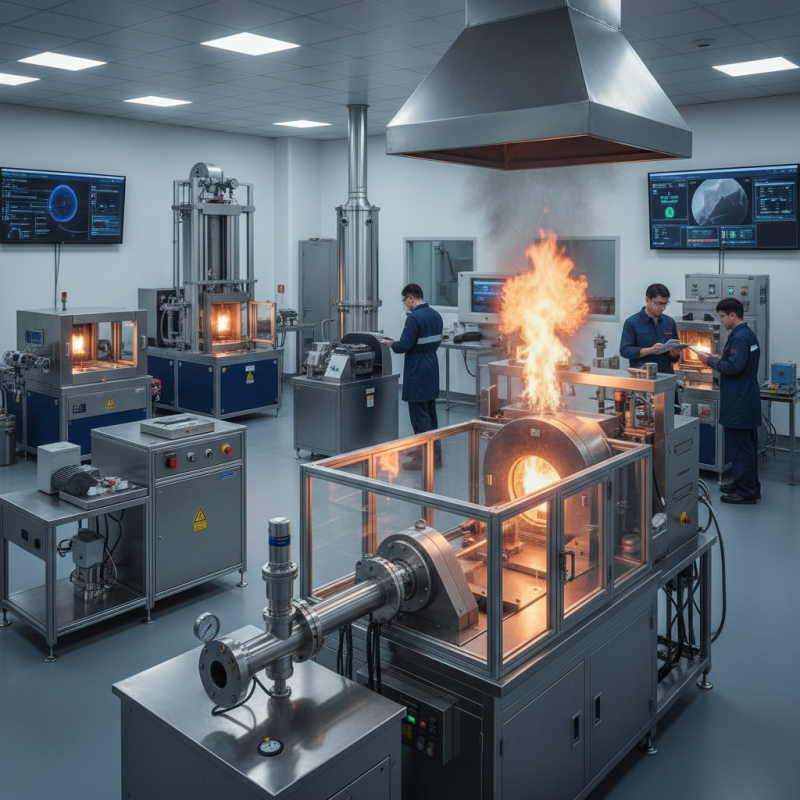
2026 External Fire Testing Machine Overview
Key Features to Consider When Buying External Fire Testing Machines
When purchasing an external fire testing machine, it’s essential to consider several key features. The calibration system is crucial. Look for machines that offer easy calibration to maintain accuracy over time. This aspect ensures your testing results are reliable and adhere to safety standards. Another important feature is the machine’s heating capabilities. A unit that achieves high temperatures rapidly can significantly enhance testing efficiency.
Safety features should not be overlooked. Effective safety mechanisms protect operators from potential hazards during the testing process. Look for features like automatic shut-off systems and well-designed enclosures. Additionally, usability plays a vital role. A user-friendly interface can make a significant difference in the day-to-day operation of the machine. It's advisable to read reviews or case studies from current users for real-world insights.
While these features are vital, finding the right balance can be challenging. Not every machine will excel in every area. Sometimes, options with fewer advanced features may be more reliable and easier to use. Reflecting on your specific needs will aid in making the best choice. Looking for guidance or additional expertise can also provide deeper insights and help you avoid potential mistakes.
Top Manufacturers and Their Product Offerings
When considering external fire testing machines, understanding top manufacturers and their offerings is crucial. Numerous reports indicate that the fire testing equipment market is growing steadily. Industry analysts project a 5% annual increase over the next five years. This growth reflects a rising need for safety in construction and manufacturing sectors.
Key manufacturers provide a range of products. These include small-scale apparatus for laboratory testing to large-scale machines suitable for field evaluations. Notably, each machine type serves different testing requirements. For example, calorimetry machines measure heat release rates, critical for evaluating material flammability. Other machines focus on ignition resistance, ensuring compliance with safety standards.
Tip: Always assess the specifications of the testing machines. Look for data on their testing accuracy and reliability. Compare these metrics across manufacturers. Ensure your chosen equipment meets your specific testing needs.
Some aspects deserve reflection. Not all manufacturers offer the same level of warranty or customer support. Some may even lack certifications necessary for particular regions. Therefore, engaging with potential manufacturers is advisable. Ask about their quality control measures and post-purchase service options to avoid unexpected issues.
Common FAQs About External Fire Testing Machines
When purchasing an external fire testing machine, questions often arise. What features should you look for? What standards must the equipment meet? These machines are essential for ensuring safety and compliance in various industries. They test materials' resistance to fire, providing critical data for manufacturers and regulators.
Many buyers wonder about the importance of certification. Proper certification indicates that the machine meets industry standards. However, not all certifications guarantee quality. It's crucial to verify the credibility of the certifying body. Moreover, maintenance is often overlooked. Regular checks can prevent inaccurate results, which might lead to serious consequences.
Another common question is about testing methodologies. Different machines may use varying procedures. Understanding these methods can help in selecting the right one. Some users might find certain features unnecessary. Reflecting on your specific testing needs can streamline your decision-making process. Keep in mind that not every machine will fit every application. This realization can lead to more tailored choices.
2026 External Fire Testing Machine Buyers Guide and FAQs
| Feature | Description | Importance | Price Range |
| Test Capacity | Maximum size and weight of items that can be tested. | High | $10,000 - $50,000 |
| Temperature Range | Range of temperatures that the machine can simulate. | High | $15,000 - $60,000 |
| Compliance Standards | Standards that the testing machine complies with. | Medium | $5,000 - $20,000 |
| Automation Level | Degree to which the machine operates automatically. | High | $20,000 - $70,000 |
| User Interface | Ease of use and accessibility of the control panel. | Medium | $2,000 - $10,000 |
| Maintenance Requirements | Frequency and type of maintenance needed. | Low | $500 - $3,000 |
| Warranty Period | Time period during which the machine is guaranteed. | Medium | N/A |
Maintenance and Calibration Tips for Optimal Performance
Maintaining an external fire testing machine is crucial for ensuring accurate performance and safety. Regular calibration can prevent discrepancies in testing data, which may lead to costly errors. According to industry standards, machines should undergo calibration at least once a year to maintain precision. Inconsistent results can arise from neglecting this step, potentially compromising testing integrity.
The environment where these machines operate influences their longevity and functionality. Dust, moisture, and temperature fluctuations can impact performance. It's recommended to keep the testing area clean and well-ventilated. Using protective covers when the machines are not in use can also mitigate environmental damage. Regular inspections, focusing on wear and tear, enhance overall reliability.
Documentation of maintenance activities is vital. This practice not only provides a historical record but also aids in identifying patterns of issues over time. Some operators might overlook small irregularities, assuming they are inconsequential. This can lead to bigger problems down the line. Adopting a proactive approach fosters trust in the machine's results and improves overall safety.