
Global buyers evaluating the 2026 Hexane Solvent market need more than a competitive quote. Product consistency, documented specifications, dependable logistics, and clear safety information all affect supplier suitability. USDA Foreign Agricultural Service reports, including Oilseeds: World Markets and Trade, track global oilseed production and trade. That context matters because hexane is widely used in industrial oilseed extraction, where supply interruptions can disrupt processing schedules. Still, agricultural demand alone does not predict a buyer’s actual solvent needs.
A practical supplier review should compare grade and purity specifications, batch certificates of analysis, safety data sheets, packaging options, and delivery capabilities. NIOSH’s Pocket Guide to Chemical Hazards provides occupational guidance for n-hexane, underscoring why buyers should assess handling information alongside price. Small details count: a current certificate, legible drum labels, and a realistic lead time. They are not minor.
This guide examines suppliers through a global buyer’s lens, focusing on evidence buyers can verify rather than broad marketing claims. Regional availability, product documentation, and communication quality may differ, even among established vendors. No shortlist can replace a buyer’s technical and procurement checks. That limitation matters. Use the comparisons as a starting point, then confirm specifications, shipping terms, and applicable safety requirements directly with each supplier.
Hexane is a family of six-carbon hydrocarbons with the molecular formula C₆H₁₄. CAS 110-54-3 identifies n-hexane, the straight-chain isomer, rather than every compound called hexane. The molecule contains six carbon atoms and fourteen hydrogen atoms. Small structural changes matter.
C₆H₁₄ also includes branched isomers, such as 2-methylpentane and 3-methylpentane. They share a formula but can differ in boiling point and other physical properties. Commercial hexane solvents may contain mixtures, so the product name alone does not describe their exact composition. Check the certificate of analysis and safety data sheet. Look for the isomer profile, purity, and test method. Details matter here.
In practical handling, hexane is a volatile, highly flammable liquid. Even a small spill can evaporate quickly, so suitable ventilation and ignition control are essential. Use compatible containers and follow the supplier’s current safety documentation. For extraction or laboratory work, confirm that the grade fits the process and that residue limits are appropriate. A familiar label can still hide meaningful differences. I would not assume two “hexane” products are interchangeable without comparing their specifications. The paperwork is not exciting, but it often prevents avoidable surprises.

For global buyers comparing hexane suppliers, the stated boiling point is a useful first check. NIST’s Chemistry WebBook reports n-hexane’s normal boiling point at about 68.7°C, measured near standard atmospheric pressure. That figure applies to pure n-hexane, not every commercial hexane blend. A small glass thermometer may show a different reading if pressure, calibration, or sample composition varies. Check the test method and pressure alongside the result.
A boiling point alone cannot confirm grade or purity. Ask for a batch-specific certificate of analysis showing assay, isomer profile, water content, and residue limits. Gas chromatography is commonly used to separate and quantify hydrocarbon components; the stated method and detection limits matter. They matter. Compare the specification with the actual application, since a technical grade and a high-purity grade may have different impurity limits. Supplier documentation should also identify the production batch and provide current handling information. NIST data establish a reference value, but they do not certify a supplier’s product. I would still verify the delivered lot against its paperwork, especially when a narrow boiling range is critical.
| 2026 Top Hexane Solvent Suppliers for Global Buyers? - Grade and Specification Checks: n-Hexane Boils at 68.7°C | |||||
|---|---|---|---|---|---|
| Supplier Channel | Common Buyer Requirement | Grade / Assay Check | Boiling-Point Check | Documents to Request | Key Purchasing Checks |
| Petrochemical producer or refinery-linked supplier | Bulk industrial use and recurring large-volume supply | Confirm the contracted n-hexane assay and limits for other hydrocarbons; values are product- and contract-specific. | Reference normal boiling point: approximately 68.7°C for n-hexane; check the stated test method and permitted distillation range. | Current SDS, batch COA, product specification, and origin or compliance documents where applicable. | Verify batch consistency, loading controls, transport compatibility, and delivery terms. |
| Regional bulk-solvent distributor | Drummed or intermediate-volume orders with local delivery | Match the offered commercial or technical grade to the buyer’s written assay and impurity limits. | Check the COA for the measured boiling or distillation range; do not treat the reference value as a guaranteed batch result. | SDS, batch COA, packaging details, and traceability information from the original source. | Confirm sealed packaging, batch identification, storage conditions, and local hazardous-goods delivery capability. |
| Laboratory reagent supplier | Laboratory testing, analytical work, or small-pack requirements | Select the stated reagent or analytical grade and review its assay and method-specific impurity limits. | Use 68.7°C as the approximate normal boiling-point reference; assess the supplier’s stated test method and limits. | SDS, lot-specific COA, grade specification, and analytical-method information if relevant. | Check intended-use suitability, container size, lot documentation, and any method-specific background or residue requirements. |
| Specialty chemical distributor | Applications requiring tighter, explicitly agreed impurity controls | Specify assay, relevant isomer or hydrocarbon limits, water content, and any application-specific criteria before ordering. | Compare the COA result with the contractual boiling or distillation specification and test method. | SDS, batch COA, full specification, and change-control or traceability records when required. | Agree acceptance limits, sampling procedure, retest policy, and change notification terms in writing. |
| Importer or cross-border chemical trader | International sourcing where origin, customs, and logistics are central | Confirm the exact product identity, grade, assay basis, and specification attached to the shipped batch. | Check that the batch COA reports a compatible boiling or distillation test; n-hexane’s normal boiling point is approximately 68.7°C. | SDS, batch COA, transport documentation, country-of-origin information, and applicable customs or regulatory paperwork. | Validate dangerous-goods classification, packaging compliance, import requirements, lead time, and chain of custody. |
| Buyer note: Supplier channels are presented as sourcing categories, not as a ranked or independently verified list of companies. n-Hexane is highly flammable and can pose serious health risks; review the current SDS and applicable workplace, transport, and environmental requirements. Confirm all acceptance limits against the specific product specification and batch COA. | |||||
The 2026 hexane solvent supplier landscape includes producers, regional distributors, and specialist chemical traders. Producers may offer steadier volumes and direct technical documentation. Distributors can provide smaller lots, local storage, and shorter delivery routes. Availability still varies by region, port capacity, and seasonal demand. A low quotation is not the whole picture.
Product grades differ in purity, composition, and intended use. Buyers should compare the stated grade with the actual specification, including boiling range, water content, and residue limits. Request a recent certificate of analysis and safety data sheet for the exact product offered. Check packaging details too: drum seals, container material, and batch labels matter during receiving. I have seen procurement teams focus heavily on price, then discover that the grade needs extra testing. That is an avoidable, if common, mismatch.
Tips: Ask for batch-specific documents, sample availability, and written confirmation of delivery terms. Compare landed cost, not just the unit price. Clarify whether the quoted material is a defined isomer grade or a mixed composition. Keep a retained sample from each delivery when your quality process allows it. One detail is easy to miss: supplier responsiveness before an order can indicate how clearly issues will be handled afterward.
For global buyers comparing hexane solvent suppliers in 2026, transport classification deserves close attention. Hexane is commonly shipped under UN 1208 as Class 3 flammable liquid, Packing Group II. Confirm the exact product classification against its current safety data sheet and shipping documents. Mixtures may require different details.
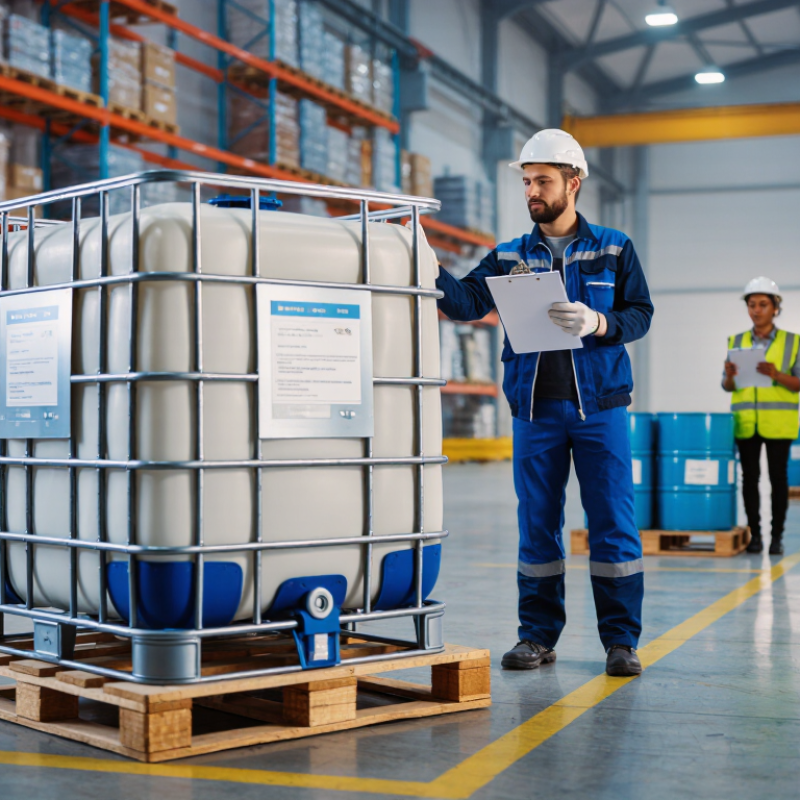
Plan handling before the drums arrive. Use approved packaging, required marks, and labels for the destination and transport route. Keep containers upright and secured against movement. A warm loading bay, a damaged closure, or a poorly ventilated store can increase risk. Small details matter. Keep hexane away from ignition sources, and use suitable bonding and grounding practices when transferring liquid. Ensure workers know the site’s spill and fire procedures before work begins.
Supplier documents should match the shipment, including the product identity and emergency information. Ask how containers are inspected and whether transport conditions are monitored. Requirements can vary by country, carrier, and mode of transport, so verify them with qualified dangerous-goods personnel. Paperwork alone is not a safety system. Even experienced teams can miss a detail when schedules tighten; pause and check rather than assume.
Transport and safety: Hexanes are transported under UN 1208, Class 3 (flammable liquid), Packing Group II. The chart shows approximate reference temperatures for n-hexane; commercial hexane mixtures may differ. These values are not transport limits. Confirm the applicable requirements using the product’s safety data sheet and current regulations.
2026 Top Hexane Solvent Suppliers for Global Buyers?
For global buyers, supplier due diligence should begin with a lot-specific certificate of analysis, not a polished product brochure. Check the stated purity, test methods, batch number, and production date. Then compare those details with the agreed specification. Small gaps matter. A COA without traceable test results may leave important questions unanswered.
Review the safety data sheet for current hazard, storage, transport, and emergency information. Confirm that the SDS matches the product grade and destination market. Ask the supplier to explain its REACH-related documentation and whether registration or other obligations apply to your specific transaction; requirements can depend on substance identity, use, and supply chain. Do not treat a document as proof of every compliance duty.
Supply resilience deserves equal attention. Ask where material is produced, how much notice is given for allocation changes, and whether shipment records can be shared. A realistic lead-time range is more useful than a perfect promise. Check packaging integrity, seal numbers, and batch labels when a delivery arrives. Keep a retained sample where your quality system permits. Even careful checks miss things sometimes; that is a reason to document decisions, not to skip them.


All of Hapco's formulations are completely free of Mercury.

Hapco has been in business for over 50 years!
*NOTICE* Hapco will be will be closed on Monday, May 26th, in observance of Memorial Day. |
| Cookie | Duration | Description |
|---|---|---|
| cookielawinfo-checkbox-analytics | 11 months | This cookie is set by GDPR Cookie Consent plugin. The cookie is used to store the user consent for the cookies in the category "Analytics". |
| cookielawinfo-checkbox-functional | 11 months | The cookie is set by GDPR cookie consent to record the user consent for the cookies in the category "Functional". |
| cookielawinfo-checkbox-necessary | 11 months | This cookie is set by GDPR Cookie Consent plugin. The cookies is used to store the user consent for the cookies in the category "Necessary". |
| cookielawinfo-checkbox-others | 11 months | This cookie is set by GDPR Cookie Consent plugin. The cookie is used to store the user consent for the cookies in the category "Other. |
| cookielawinfo-checkbox-performance | 11 months | This cookie is set by GDPR Cookie Consent plugin. The cookie is used to store the user consent for the cookies in the category "Performance". |
| viewed_cookie_policy | 11 months | The cookie is set by the GDPR Cookie Consent plugin and is used to store whether or not user has consented to the use of cookies. It does not store any personal data. |