2026 Top Functional FIBC Bags for Global Procurement Needs?
The demand for Functional FIBC Bags is on the rise. Recent industry reports indicate that the global FIBC market is expected to grow significantly, reaching over $6 billion by 2026. This growth is driven by various sectors such as agriculture, chemicals, and construction. These bags are known for their versatility and strength, handling diverse bulk materials effectively.
Manufacturers are focusing on innovative designs and sustainable materials to meet procurement needs. Businesses are increasingly concerned about environmental impact. According to the Global FIBC Market Report, over 60% of suppliers now offer eco-friendly options. Yet, challenges remain, such as ensuring compliance with international safety standards.
Adopting Functional FIBC Bags can optimize supply chains. However, not all options are created equal. Some bags don't meet specific industry requirements. Companies must research and choose reliable providers. Quality assurance and performance testing are crucial for long-term success. The focus on effective procurement strategies will shape the future landscape of Functional FIBC Bags.
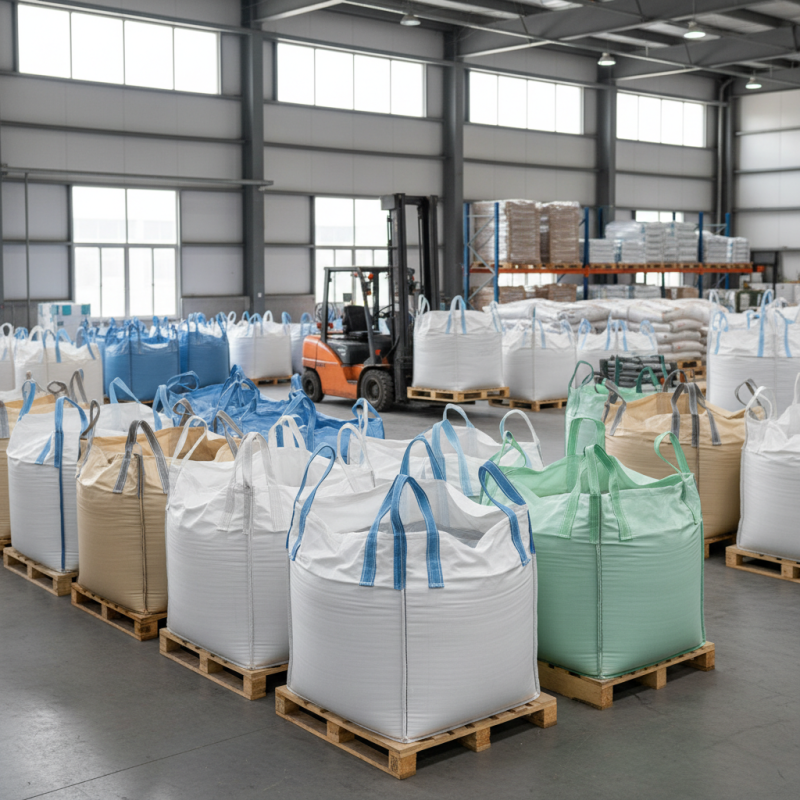
Types of Functional FIBC Bags Suitable for Global Procurement
FIBC bags, known as Flexible Intermediate Bulk Containers, serve various industrial needs. Their design allows for efficient transport and storage of bulk materials. Different types of FIBC bags cater to specific applications, ensuring optimal performance in different industries.
One common type is the vented FIBC bag. This design allows air to circulate, making it suitable for products that need to breathe, like agricultural feeds. Another option is the conductive FIBC bag, which prevents static discharge during transport. This is crucial for handling flammable materials. Choosing the right type of bag can drastically reduce risks and enhance productivity.
Another type, the liner bag, provides added protection against moisture and contaminants. This can be critical for pharmaceutical or food-grade applications. However, the choice isn't always clear-cut. Assessing the specific needs of your product and transportation methods is essential. Some buyers may overlook these details, leading to costly mistakes down the line. Each type of FIBC bag has its benefits and challenges. Choosing wisely requires a thorough understanding of materials and storage conditions.
Key Features to Consider When Choosing FIBC Bags
When selecting FIBC bags for global procurement, it’s crucial to consider key features that enhance their efficiency and safety. A report by Smithers Pira indicates that the FIBC market is projected to grow by over 6% annually. This growth underscores the importance of choosing the right bag for various applications. Optimal FIBC bags should be made from high-quality materials that provide strength and durability. Additionally, bags with specialized designs can improve efficiency during transportation and storage.
Tip: Always check the lifting capacity of the bags. This can significantly impact your operations.
Another essential feature is the bag type. Choices include U-panel, circular, and baffle designs. Each type serves specific needs. For instance, baffle bags are ideal for materials requiring stabilization. According to a study by Technavio, improper bag selection can lead to increased costs and damaged products. Therefore, understanding the specific needs of your supply chain is vital.
Tip: Consider the environmental impact of your FIBC choice. Sustainable materials may influence your procurement decisions positively.
Lastly, attention to closure methods and handling features is critical. Zippered bags offer better security. Data from packaging trials show that user-friendly designs reduce handling errors. A thoughtful approach can enhance your procurement strategy, ensuring efficiency and safety throughout your supply chain.
Market Trends Influencing FIBC Bag Procurement in 2026
In 2026, the procurement landscape for FIBC bags is set to shift significantly. Various market trends are driving these changes, impacting sourcing strategies. Sustainability has emerged as a crucial factor. Companies are adopting eco-friendly materials, shifting away from conventional plastics. This move addresses client demands for greener solutions. Many suppliers are now exploring biodegradable options, impacting their production methods.
Another noticeable trend is the rising emphasis on customization. Clients seek FIBC bags that cater to specific requirements, such as dimensions and load capacity. This need for tailored solutions is challenging for manufacturers. Adapting production lines and refining designs can strain resources. Additionally, the growing demand for lightweight options is reshaping design strategies. This evolution makes it essential for businesses to balance strength and weight.
Market volatility is another critical factor influencing procurement. Fluctuating material costs can lead to unpredictable pricing. Companies must navigate these shifts carefully. They must also consider logistic challenges that arise in a global market. Rising transportation costs and supply chain disruptions have forced many to rethink their procurement processes. This evolving landscape requires constant reflection and adaptation to ensure success.
2026 Top Functional FIBC Bags for Global Procurement Needs
This chart illustrates the anticipated demand for different types of Flexible Intermediate Bulk Containers (FIBC) in 2026 based on market trends influencing procurement. The data categories reflect the most popular functionalities that drive procurement decisions.
Top Manufacturers of FIBC Bags and Their Offerings
The demand for FIBC bags is growing worldwide. As industries explore sustainable packaging, understanding top manufacturers is critical. Key players in the FIBC sector offer a variety of products tailored to diverse needs. These manufacturers utilize cutting-edge technology and quality materials to enhance performance.
When looking for suppliers, prioritize their experience in the industry. Many manufacturers have been in the business for years. Their expertise guarantees a better understanding of customer requirements. It’s also essential to consider their product range. Some manufacturers focus on specific markets, while others offer a wider selection.
Tips: Evaluate suppliers' certifications. Valid certifications ensure compliance with industry standards. Additionally, inquire about their customer service. A responsive team can make a significant difference in your procurement process. Ultimately, selecting the right partner can streamline your operations. Discrepancies in quality or service can lead to delays. Aim for reliability in all interactions.
Sustainability Practices in the FIBC Bag Industry for Global Needs
Sustainability is becoming crucial in the FIBC bag industry. Many manufacturers are now committed to reducing their environmental impact. This shift is not just a trend; it reflects a growing awareness of global ecological challenges.
Recycled materials are increasingly used in the production of FIBC bags. These materials reduce waste and demand for virgin resources. Using eco-friendly dyes is also becoming common. This approach minimizes harmful emissions during bag production. Moreover, companies are investing in energy-efficient machinery. This innovation lowers carbon footprints throughout the manufacturing process.
Tips: Consider asking suppliers about their sustainability practices. Understand the materials they use. Check if they follow eco-certifications. Awareness drives change. It helps make informed purchasing decisions. Collaboration within the industry can lead to better practices. Everyone can contribute toward a more sustainable future.
2026 Top Functional FIBC Bags for Global Procurement Needs
| Bag Type | Material | Load Capacity (kg) | Sustainability Features | Applications |
| Standard FIBC | PP Woven | 1000 | Recyclable Materials | Food, Chemicals |
| Conductive FIBC | PP Woven + Conductive Additives | 1500 | Recyclable, Anti-static | Electronics |
| Linable FIBC | PP Woven with PE Liner | 1200 | Reusable Liner, Reduced Waste | Food, Pharmaceuticals |
| Baffle FIBC | PP Woven | 1000 | Space-efficient, Reusable | Construction, Agriculture |