2026 Top Suction And Discharge Hose Types for Global Buyers
Choosing the right Suction And Discharge Hose can determine whether a transfer system runs safely, efficiently, and without costly downtime. Global buyers face many options, including rubber, PVC, thermoplastic, composite, chemical, food-grade, oil, water, and slurry hoses. Each type responds differently to pressure, vacuum, temperature, abrasion, and the transferred medium.
A hose may look suitable on a product page but fail during real operation. A heavy-duty rubber hose, for example, can handle rough loading areas, while a lightweight PVC hose may suit temporary water transfer. Buyers should examine working pressure, suction capability, inner diameter, bend radius, coupling design, temperature range, and material compatibility. These details matter.
Field experience also shows that installation is often underestimated. A hose dragged across sharp concrete may wear faster than expected. Poorly secured couplings can create leaks, vibration, or sudden separation. Reliable suppliers should provide traceable specifications, test information, and clear guidance for storage and inspection. Independent certification may also be important, depending on the industry and destination market.
The best choice is not always the most expensive one. It is the hose that matches the actual duty cycle. Sometimes, specifications are incomplete. That deserves attention. Product selection should therefore combine manufacturer data, application knowledge, and practical review from operators. This guide examines the leading Suction And Discharge Hose types for 2026, helping international buyers compare performance, materials, connection methods, and long-term value with greater confidence.
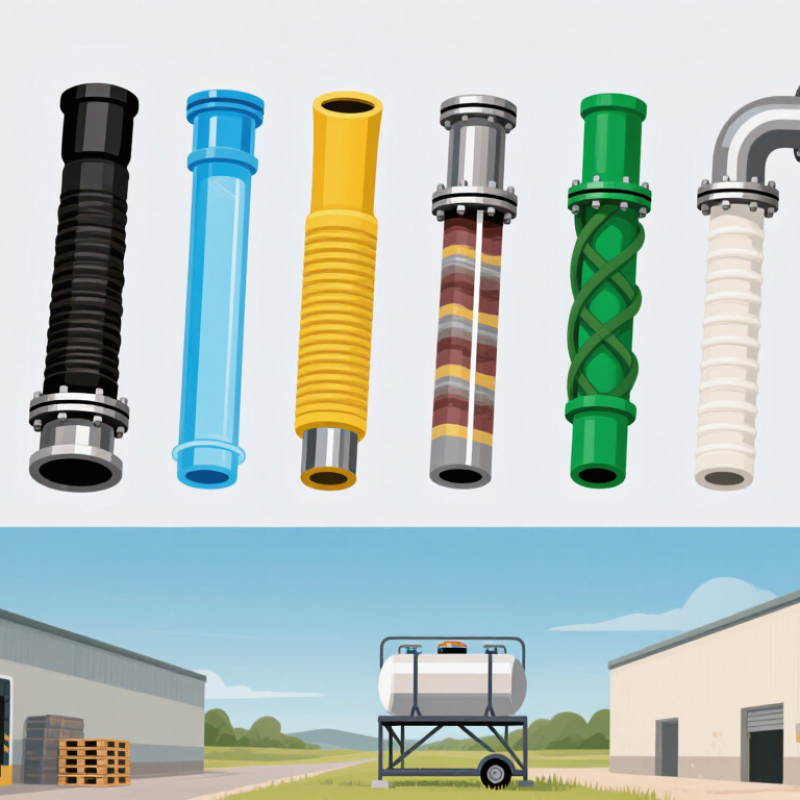
What Suction and Discharge Hoses Are and How They Differ
2026 Top Suction And Discharge Hose Types for Global Buyers
What Suction and Discharge Hoses Are and How They Differ
Suction and discharge hoses move liquids, slurries, and selected dry materials through pumps and industrial systems. Their duties look similar, but their internal stresses differ. A suction hose must resist collapse when a pump creates negative pressure. Its embedded helix supports the wall, much like a spring inside a flexible tube. A discharge hose mainly handles positive pressure after the pump. Its reinforcement focuses on preventing expansion, splitting, and coupling failure.
In field inspections, I check vacuum resistance, working pressure, temperature, chemical compatibility, and bend radius. The hose should match the medium, not merely the pump size. Water service may suit a flexible PVC or rubber construction, while abrasive slurry usually needs a tougher inner tube. Corrugated walls bend easily, but they can increase flow resistance and collect residue. Smooth walls clean better. There is always a trade-off.
Couplings deserve equal attention. A strong hose with a poorly secured fitting can still fail during operation. Measure the actual inside diameter, then confirm the pressure rating at the operating temperature. Do not rely only on a catalog headline. Ratings may change with heat, pulsation, or repeated flexing. Some combined suction-discharge hoses are convenient, but they may not perform best in either role. Selection is rarely perfect. A short trial, inspection log, and pressure test often reveal details that specifications miss.
Main Hose Types by Fluid, Pressure, and Operating Environment
Choosing the right suction and discharge hose starts with the fluid, not the color or outside texture. Water hoses often use flexible rubber or thermoplastic constructions for reliable transfer. Oil and fuel service requires materials that resist swelling and softening. Chemical hoses need verified compatibility with concentration, temperature, and exposure time. Food or beverage applications demand cleanable materials and suitable contact documentation. A hose may handle one liquid safely but fail with another.
Pressure selection needs careful attention. Discharge hoses must withstand working pressure, surge pressure, and repeated bending. Suction hoses also need enough vacuum resistance to prevent collapse. Reinforcement, wall thickness, and coupling design affect performance. In field inspections, loose clamps and sharp bends cause more problems than buyers expect. I have seen a hose rated correctly still fail because the assembly was poorly supported. The specification was right. The installation was not.
Tips: Compare working pressure with real operating peaks. Check fluid compatibility using manufacturer data, not guesswork. For outdoor use, consider UV, ozone, abrasion, freezing, and heat. In dusty sites, choose a cover that can survive dragging over rough concrete. For marine or coastal environments, inspect fittings for corrosion. Keep a small safety margin. It is cheaper than an emergency replacement. Also record hose age and inspection dates; memory is unreliable.
2026 Top Suction and Discharge Hose Types for Global Buyers
The chart compares representative working-pressure ranges for common suction and discharge hose constructions across major fluid categories and operating environments. Values are typical industry ranges in bar and should be verified against the hose datasheet, temperature, fluid compatibility, and safety factor before selection.
Reference framework: common industrial hose specifications and pressure-rating practices aligned with EN ISO 18752, EN 12115, and EN ISO 1307.
Key Materials, Reinforcement Structures, and Performance Features
For 2026, global buyers are comparing suction and discharge hoses by material, reinforcement, and service conditions. PVC hoses offer low weight, clear visibility, and competitive cost. Rubber hoses handle abrasion, impact, and repeated flexing more effectively. TPU can reduce weight while resisting abrasion and oils. UHMWPE-lined designs suit aggressive chemical transfer, but compatibility must be verified.
Reinforcement controls pressure stability and vacuum resistance. A rigid helix helps prevent collapse during suction. Textile plies improve flexibility and burst strength. Wire reinforcement supports higher pressure and demanding temperature cycles. According to Grand View Research’s Industrial Hose Market report, the market is projected to expand at about 4% annually through 2030. Estimates differ across reports. That difference deserves attention. The strongest specification is not always the best purchase. Buyers should check working pressure, vacuum rating, bend radius, temperature range, abrasion loss, and electrical continuity.
Tips: Request test data for the exact hose construction, not only the material name. Confirm whether pressure ratings include safety factors and continuous operation. The Freedonia Group’s hose industry analysis identifies construction equipment, manufacturing, and fluid handling as major demand areas. In dusty sites, choose a cover that resists cutting and sunlight. For food or chemical service, review certificates and cleaning temperatures. A transparent hose may reveal blockages, yet sunlight can accelerate aging. That trade-off is easy to miss.
How Global Buyers Should Match Hose Types to Applications
Choosing the correct hose begins with the material, not the catalog label. Suction hoses need reinforced walls to resist vacuum collapse. Discharge hoses must handle internal pressure without swelling or splitting. A hose moving clear water may fail quickly with abrasive sand slurry. Match the tube compound to the fluid, temperature, and concentration.
Application conditions decide the reinforcement. Use a flexible, abrasion-resistant hose for dredging, mining, or construction slurry. Select a chemical-resistant hose after checking the fluid’s concentration and operating temperature. For fuel or oil transfer, confirm compatibility with the inner tube and seals. Food, pharmaceutical, and potable-water uses may require documented hygiene compliance. Verify local requirements before ordering.
Measure twice. It matters.
Buyers should also compare working pressure, vacuum rating, bend radius, coupling design, and hose length. A pump may create pressure spikes during startup, even when average pressure looks safe. Field inspections often reveal avoidable problems, such as sharp bends near fittings or unsupported heavy hoses. These details shorten service life. I have seen specifications that looked complete but missed temperature changes during transport. That omission can be costly. Ask suppliers for test reports, traceability, and installation guidance. If the application is uncertain, provide photos, fluid data, flow rate, and site conditions. The most suitable hose is rarely the cheapest one; it is the one matched to real operating stress.