Skip to Content

Liquid Molding Monthly

What Is a 3 Ton Pallet Truck and How Does It Work?

A 3 Ton Pallet Truck is designed to move palletized loads weighing up to 3,000 kilograms. It is common in warehouses, factories, loading bays, and distribution centers. Unlike a forklift, it usually lifts pallets only a short distance. Its compact frame works well in narrow aisles and crowded storage areas.

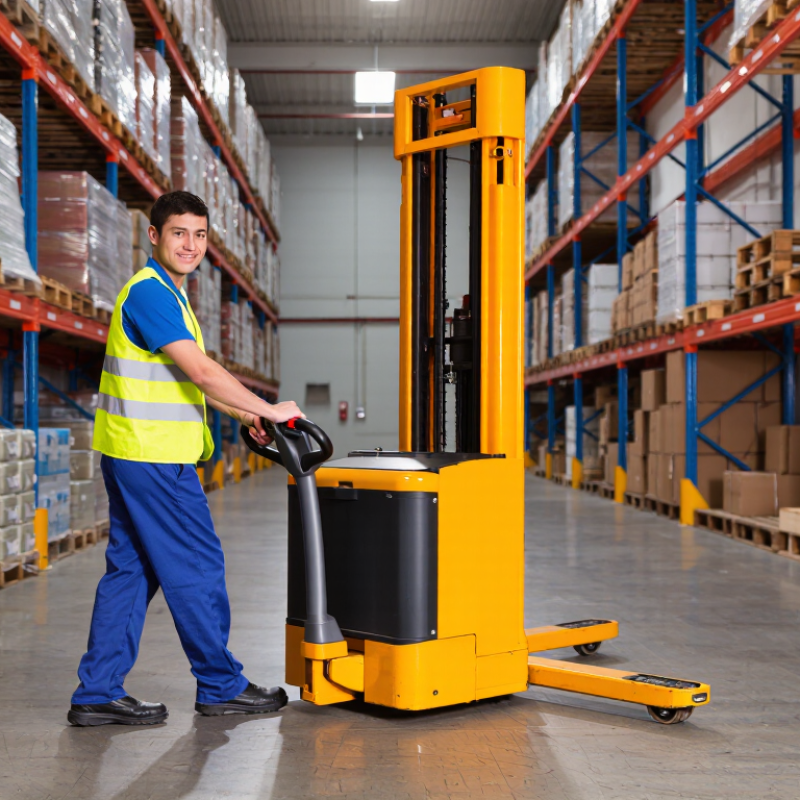
The truck uses forks, load rollers, a steering handle, and a hydraulic lifting system. When an operator pumps the handle, hydraulic pressure raises the forks beneath the pallet. Pulling or pushing the handle moves the truck across the floor. Electric models add a battery-powered drive and lifting system, reducing physical effort during repeated work.

The rating needs careful interpretation. A full three-ton load may require a low and centered load position. Uneven pallets, damaged floors, sharp turns, or excessive speed can reduce stability and control. Real warehouses are rarely perfect. That matters.

This guide explains how a 3 Ton Pallet Truck works, how its main components interact, and where its capacity can be misunderstood. It also considers operating habits, maintenance checks, and practical safety limits. Experienced operators inspect wheels, forks, hydraulic leaks, and handle controls before use. They also confirm the pallet’s condition.

Small faults can become serious delays. A leaking pump, worn roller, or bent fork may appear minor at first. It should not be ignored. Understanding the equipment helps users choose the right model and move materials more efficiently. Yet specifications alone cannot replace training, workplace procedures, or good judgment.

What Is a 3 Ton Pallet Truck and How Does It Work?

What Is a 3 Ton Pallet Truck?

A 3 ton pallet truck is a material-handling vehicle rated to move up to 3,000 kilograms, or about 6,614 pounds. It supports pallets with two steel forks, a load roller, and steering wheels. The rating is not permission to lift every 3 ton load. Load shape, center of gravity, and floor conditions also matter. The Industrial Truck Association classifies pallet trucks as equipment designed for horizontal pallet movement, not high-level storage.

Most units use a hydraulic pump. The operator moves the handle repeatedly, building pressure and raising the forks. A release lever opens the valve, allowing a controlled descent. Powered models add a battery-driven travel motor and lifting system. The U.S. Occupational Safety and Health Administration requires powered industrial truck operators to receive training and evaluation before use. This matters because a small steering error can shift a tall pallet quickly. Real workplaces are less tidy than training diagrams.

Tips: Check the nameplate before lifting. Keep the load centered and below the rated capacity. Inspect forks, wheels, handle controls, and hydraulic leaks each shift. The European Materials Handling Federation reports that routine inspections remain a core safety practice across material-handling operations. Do not rely only on the rating plate, though. A damaged pallet can fail first. Operators should also reduce speed near dock edges, ramps, and blind corners. A quiet electric truck may still surprise pedestrians.

How Does a 3 Ton Pallet Truck Work?

A 3 ton pallet truck is designed to move loads up to 3,000 kilograms, or about 6,600 pounds. It usually has two long forks, load rollers, steering wheels, and a lifting mechanism. The operator slides the forks beneath a pallet, then raises them slightly above the floor. This small lift reduces friction and keeps the load stable during travel.

The working principle is straightforward. Pulling the handle backward activates a hydraulic pump on manual models. Electric models use a motor and battery for lifting or movement. The handle also controls steering, lowering, and emergency stopping. Capacity depends on the load center, pallet condition, floor quality, and truck configuration. A poorly balanced load can become unsafe long before the rated limit. That detail is often overlooked.

Tips: Keep the load centered and low. Inspect forks, rollers, and hydraulic leaks before use. OSHA estimates that powered industrial trucks contribute to about 35,000 serious injuries and 62,000 non-serious injuries each year in the United States. That figure covers several truck types, not only pallet trucks, but it shows why daily checks matter. Operators should move slowly around corners, keep feet clear, and avoid uneven surfaces. In practice, people sometimes trust the capacity label too much. Real conditions require judgment.

What Are the Main Components of a 3 Ton Pallet Truck?

A 3-ton pallet truck is built to move loads up to 3,000 kilograms across warehouses, factories, and loading areas. Its main structure is the chassis, which supports the forks, battery, motor, and hydraulic system. The forks slide beneath a pallet and distribute weight across their length. Fork thickness, spacing, and weld quality directly affect stability.

The hydraulic pump lifts the forks, while the steering tiller controls direction and braking. Electric models usually include a traction motor, battery, controller, and electromagnetic brake. Manual models rely on repeated handle strokes instead. Load wheels and steering wheels carry the truck over concrete, seams, and small floor debris. The Occupational Safety and Health Administration estimates that powered industrial trucks cause about 85 workplace fatalities and 35,000 serious injuries annually. These figures cover more than pallet trucks, but they show why each component matters.

Tips: Check the rated capacity plate, wheel condition, hydraulic leaks, and emergency stop before use. Keep heavy goods centered and low. Do not assume a 3-ton rating applies to every fork position. The European Materials Handling Federation reports that equipment safety depends strongly on operator training and planned maintenance. I agree, although real warehouses often inspect too quickly. A clean wheel can still hide axle damage.

What Is a 3-Ton Pallet Truck and How Does It Work?

A 3-ton pallet truck is a manually or electrically powered material-handling vehicle designed to move palletized loads weighing up to 3,000 kg. Its forks slide beneath a pallet, while the hydraulic lifting unit raises the load slightly for transport.

The chart shows representative dimensions and rated capacity commonly associated with a 3-ton pallet truck. Forks support the pallet, the hydraulic unit provides lifting force, and the steering handle controls movement and lowering.

How to Operate a 3 Ton Pallet Truck Safely?

A 3 ton pallet truck is designed to move loads weighing up to 3,000 kilograms, when used within its rated conditions. It may be manual or powered, but both types use forks, load wheels, and a steering handle. The capacity is not unlimited. Load position, floor condition, and the pallet’s balance all affect safe performance.

Before operating, inspect the forks, wheels, handle, brakes, controls, and warning devices. Check for cracks, loose parts, leaking fluids, or damaged pallets. Keep the load centered and fully supported by the forks. Do not lift a load higher than necessary. Keep it low while traveling. Visibility matters. If the load blocks your view, travel in the direction that provides a clear path, or use a trained spotter. Move slowly near doors, corners, ramps, and pedestrians.

Push or drive smoothly; sudden turns can shift a heavy pallet. Keep both hands and feet within the operator area, and never carry passengers. On slopes, follow the equipment manual and workplace procedure, keeping the load positioned safely uphill when required. A 3 ton rating does not excuse poor judgment. I have seen operators focus on weight while ignoring a broken pallet or uneven floor. That mistake is easy to repeat. Stop the truck, lower the forks, apply the brake, and remove the key or isolate power when parking. Safety checks can feel repetitive, but skipping one may be the real failure.

What Is a 3 Ton Pallet Truck and How Does It Work? - How to Operate a 3 Ton Pallet Truck Safely?
Data Dimension Typical Data or Requirement How It Works or What to Do Safety or Operating Note
Basic Definition and Capacity
Rated load capacity 3,000 kg (approximately 6,614 lb) The truck is designed to move loads up to its rated capacity when the load is correctly positioned and the floor is suitable. Never exceed the capacity shown on the truck's data plate. Capacity may decrease when the load center increases.
Load center Common reference: 600 mm The load center is the horizontal distance from the fork face to the center of gravity of the load. A longer or unevenly distributed load can reduce the safe working capacity. Use the manufacturer's capacity chart where provided.
Truck type Manual hydraulic or electric walk-behind A manual model uses a handle and hydraulic pump to raise the forks. An electric model uses a battery-powered drive and lifting system. Only trained and authorized operators should use powered versions.
Primary function Short-distance pallet transport and positioning The forks enter the pallet openings, lift the pallet slightly clear of the floor, and move it across a prepared surface. It is not normally intended for lifting people, stacking at height, or operating as a high-lift forklift.
Typical Technical Dimensions
Fork length Approximately 1,150 mm is common Forks support the pallet from underneath and transfer the load to the load wheels. Forks should enter the pallet far enough to provide stable support without striking the opposite side of the pallet.
Fork outside width Commonly about 540–685 mm The spacing must match the pallet openings and maintain balanced support. Confirm fork spacing and pallet compatibility before entering the load.
Lowered fork height Typically about 75–85 mm Low forks slide beneath standard pallets when the entry path is clear. Do not force the forks under a damaged pallet or against an obstruction.
Raised fork height for travel Usually only slightly above floor level, about 75–125 mm The load is raised just enough to clear the floor and travel safely. Keeping the load low improves stability and reduces the risk of striking objects.
Turning radius Often about 1,500–2,300 mm, depending on design The steering handle pivots the steer wheel or drive unit to guide the truck around corners. Allow extra clearance for the load, rear swing, pedestrians, and fixed equipment.
Operating surface Level, firm, clean, and capable of supporting the combined weight The wheels carry the truck and load across the floor; uneven surfaces increase rolling resistance and instability. Avoid steep slopes, loose debris, potholes, wet areas, and surfaces with inadequate load capacity.
How a 3 Ton Pallet Truck Works
Fork insertion Forks aligned centrally with the pallet openings The operator positions the forks squarely and pushes or drives them beneath the pallet. Keep the load centered and ensure both forks are inserted to a similar depth.
Hydraulic lifting Handle pump or powered lift raises the forks On a manual truck, repeated handle strokes pressurize hydraulic fluid and extend the lift mechanism. On an electric truck, a motor-driven pump performs the lift. Stop lifting if the pallet tilts, the load shifts, or unusual noise or leakage is detected.
Load support Forks, frame, and load wheels share the load The load transfers through the forks and frame to the load wheels and steering assembly. Distribute the load evenly and keep heavy items low and close to the fork face.
Steering and travel Handle-controlled steering; manual push or electric drive The operator guides the steering wheel or drive unit while moving at a controlled walking speed. Maintain a clear view and travel with the load trailing when that provides better visibility.
Lowering mechanism Controlled hydraulic release or powered lowering control Opening the lowering valve or using the lowering control allows the forks to descend gradually. Keep feet, hands, and other body parts away from the forks, wheels, and pinch points.
Safe Operating Procedure
1. Pre-use inspection Complete before every shift or use Check forks, welds, frame, wheels, steering handle, hydraulic system, controls, battery, warning devices, and data plate. Tag out and report the truck if there is hydraulic leakage, structural damage, faulty braking, damaged wheels, or uncontrolled lowering.
2. Assess the load Confirm weight, dimensions, stability, and pallet condition Compare the load with the rated capacity and make sure the pallet can support the weight. Do not move loose, unstable, damaged, or excessively high loads without suitable controls.
3. Position the forks Approach squarely and centrally Align the truck with the pallet, keep the forks level, and insert them fully enough to support the load. Do not lift with only the fork tips or with one fork carrying most of the load.
4. Lift for travel Raise only enough to clear the floor Use smooth pumping or lift controls until the pallet is stable and just clear of the floor. Avoid sudden acceleration, braking, or steering while the load is raised.
5. Travel safely Controlled walking speed with a clear route Sound a warning at blind corners where required, watch for pedestrians, and maintain adequate stopping distance. Do not carry passengers, place body parts under the load, or travel with obstructed visibility.
6. Operate on slopes Avoid slopes whenever possible If slope travel is permitted by the equipment instructions, keep the load positioned toward the uphill side and move slowly. Never turn sharply, coast, or leave a loaded truck unattended on a slope.
7. Set down the load Stop fully before lowering Position the pallet at the designated location, apply the brake if fitted, and lower the forks in a controlled manner. Ensure the pallet is stable before withdrawing the forks and keep clear of crush zones.
8. Park after use Forks fully lowered and controls neutralized Park in an authorized area, lower the forks, switch off powered equipment, and apply the parking brake where fitted. Do not block exits, fire equipment, emergency routes, aisles, or access to electrical equipment.
Key Risk Controls
Overloading Maximum permitted load: 3,000 kg only under specified conditions Capacity depends on the rated load, load center, load distribution, and equipment configuration. Use the capacity plate as the controlling source rather than relying on the nominal 3 ton description.
Pedestrian interaction Separate routes where practical Use marked aisles, adequate lighting, mirrors, warning signals, and site traffic rules. Pedestrians have priority according to site policy; stop if a person enters the travel path.
Pinch and crush points Keep clear of forks, wheels, frame, and pallet edges Hydraulic and powered movement can create high-force pinch points even at low travel speeds. Never place hands or feet beneath raised forks or between the truck and a fixed object.
Operator training Documented training and site-specific authorization Training should cover equipment controls, load handling, traffic rules, inspection, emergency actions, and practical operation. Follow local occupational safety requirements and the equipment operating manual.
Source of final specifications Truck data plate, load chart, and operating manual Actual dimensions, capacity, speed, battery requirements, braking system, and slope limits vary by model and configuration. The manufacturer's documentation and workplace risk assessment take precedence over typical values in this table.

Where Are 3 Ton Pallet Trucks Commonly Used?

A 3-ton pallet truck is designed to move loads weighing up to 3,000 kilograms. It uses forks, load wheels, and a hydraulic or electric lifting system. Operators commonly use it for short-distance transport across level floors. It is not a small forklift replacement. Its lower profile suits pallet-level work, but ramps and uneven surfaces require extra caution.

These trucks are common in distribution centers, manufacturing plants, food warehouses, and retail backrooms. In a busy distribution center, workers may move wrapped pallets from receiving docks to storage lanes several times per hour. Cold-storage facilities also use electric models because they reduce physical pushing in low-temperature areas. The 2024 MHI Annual Industry Report surveyed more than 2,200 supply-chain professionals and identified labor availability and operating efficiency as major operational pressures. Those pressures help explain the popularity of compact material-handling equipment.

Manufacturers often use 3-ton pallet trucks near production lines, where raw materials arrive on standard pallets. Food and beverage warehouses value their tight turning radius and simple cleaning routines. However, capacity ratings depend on load-center distance, floor conditions, and pallet quality. A 3,000-kilogram rating does not guarantee safe movement in every situation. Space matters. OSHA reports that powered industrial truck incidents cause about 35,000 serious injuries annually in the United States, although this figure covers forklifts broadly rather than pallet trucks alone. Practical training, speed control, and routine inspections remain essential. Some facilities still underestimate pedestrian traffic. That deserves review.

100% Mercury Free

100% Mercury Free

All of Hapco's formulations are completely free of Mercury.

50 Year Track Record

50 Year Track Record

Hapco has been in business for over 50 years!

ISO Certified

Higher Quality. More Efficiency. View Certificate

Technical Expertise

Hapco's employees are knowledgeable and ready to help.

Join Our Mailing List

Get the latest news, updates, and articles from Hapco, Inc.

Join Now