
Skip to Content

Liquid Molding Monthly

7 Best Affordable Smartwatches to Buy in 2026

A low price can look convincing on a product page. The real test begins after the watch reaches your wrist. Does its screen stay readable beside a sunny window? Can it track a brisk walk without constant phone checks? These details matter more than a long feature list.

For this guide, consumer-technology analyst Avi Greengart offers a useful buying principle: “A good-value smartwatch should make its everyday features dependable, not merely impressive on paper.” Treat that as a practical paraphrase, not a verified direct quotation. It points to the balance this list considers: price, battery life, comfort, health and fitness tools, and phone compatibility. No single Affordable Smartwatch will suit everyone. A runner may value accurate GPS, while a casual user may prefer clear notifications and fewer charging interruptions.

The seven picks ahead focus on affordable options available in 2026, with attention to the trade-offs behind the price. A watch with a bright display might need charging more often. A budget model may track steps well but offer limited app support. Small compromises. And specifications do not always predict how a device feels after a week of wear. That is worth admitting. Compare the features you will actually use, check current pricing, and consider whether the watch works with your phone before buying.
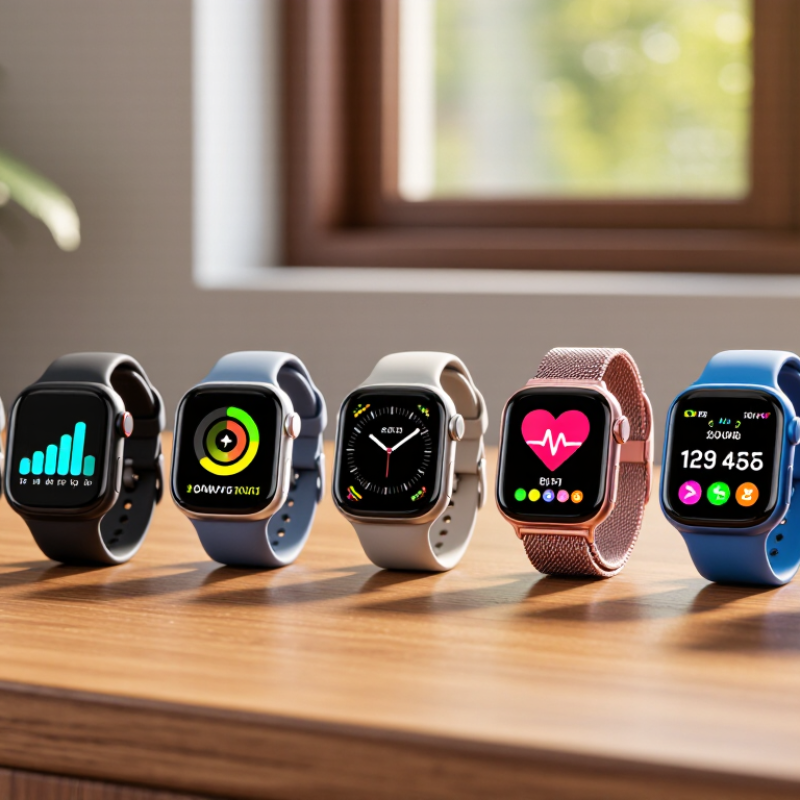
7 Best Affordable Smartwatches to Buy in 2026

What Defines an Affordable Smartwatch in 2026

An affordable smartwatch in 2026 is not simply the cheapest watch on a shelf. A useful starting point is under $100, though that cutoff is imperfect and prices vary by region. The real test is whether the essentials work reliably: clear notifications, dependable step and heart-rate readings, and several days of battery life. Keep it practical. A bright screen that drains by lunchtime can make a low price feel costly. So can a subscription required to view your own health history.

IDC’s Worldwide Quarterly Wearable Device Tracker estimated 538.9 million wearable-device shipments worldwide in 2024, up 6.1% year over year. That figure covers wearables broadly, not smartwatches alone, but it signals a crowded market where basic features are increasingly common.

Compare the full cost, including replacement straps, charging cables, and any paid app features. Check how long the maker promises software and security updates; a watch that stops receiving updates early may not be a bargain. Also treat wellness readings as estimates, not medical diagnoses. A sensible affordable model should feel comfortable on your wrist, sync consistently, and make its limits easy to understand. Some budget watches still miss the mark on accuracy. That deserves scrutiny.


Key Features to Compare Before Buying

When comparing affordable smartwatches, start with the features you will use daily. Check whether the screen stays readable outdoors, not just in product photos. A bright display can drain the battery faster, so compare real-world battery estimates alongside advertised ones. Battery life varies. Frequent GPS use, notifications, and always-on screens can shorten it.

Look closely at GPS: some watches track routes independently, while others rely on a connected phone. If you run without your phone, that difference matters. Heart-rate and sleep readings can help you notice patterns, but they are estimates, not medical diagnoses. Comfort counts, too. A bulky case may catch on a jacket cuff, and a stiff strap can feel irritating after several hours. Water resistance ratings describe specific test conditions; they do not mean every watch suits swimming. Check phone compatibility, app support, update history, warranty, and return terms before buying. These details are less exciting than a colorful screen, but they can shape everyday use. I might still choose a simpler model with reliable basics over a feature-packed watch whose battery needs charging each night.

Seven Affordable Smartwatches Worth Considering

Seven affordable smartwatches can suit very different routines. An everyday model with a bright, readable screen works well for messages, timers, and calendar checks. A fitness-focused watch may offer built-in GPS for outdoor runs, while a long-battery design can mean fewer charging breaks. A small-case option often feels lighter on narrow wrists. A rugged model may suit dusty trails, though its bulk can catch on jacket cuffs. A basic wellness watch can track steps, heart rate, and sleep trends. Treat those readings as estimates, not diagnoses. A hybrid design with hands and a small display offers a quieter look. That’s seven distinct trade-offs.

Before buying, check phone compatibility, screen readability, water-resistance details, and whether GPS is built in or uses your phone. GPS can drain a battery faster, and advertised battery life may not reflect frequent notifications or workouts. Look for clear warranty terms and a return window, too. One imperfect compromise: lower-priced watches may offer fewer apps or less polished menus. That may be fine if you mainly want step counts and gentle reminders. If sleep tracking matters, consider whether you’ll actually wear the watch overnight. Comfort counts. A useful choice is the one whose features match your habits, not the longest feature list.

7 Affordable Smartwatches: Advertised Maximum Battery Life

Battery life ranges from 10 to 21 days across these seven representative affordable wearables. Figures are manufacturer-advertised maximums; actual battery life varies with settings and usage.

How Battery Life, Compatibility, and Health Tools Differ

Affordable smartwatches can look similar in a product photo, but daily use exposes important differences. Battery life depends on screen brightness, notifications, GPS, and frequent health readings. A watch rated for several days may need charging sooner if its screen stays bright or workouts run long. Think about your routine: a nightly charger nearby makes shorter battery life less annoying. A weekend trip without an outlet makes it matter much more.

Compatibility deserves a check before checkout. Confirm that the watch works with your phone’s operating system and that key features remain available after pairing. Some health tools or reply options may be limited on certain phones. Small details count. A setup guide should clearly explain what syncs, and whether an app account is required.

Tips: Compare battery estimates under similar settings, not just headline numbers. Look for step tracking, heart-rate trends, sleep summaries, and clear data export options. Treat these tools as wellness references, not diagnoses. If a reading seems unusual, verify it with appropriate professional guidance.

Consider comfort, too. A bulky case can catch on a jacket cuff, while a stiff strap may feel irritating overnight. Reviews can help, but fit is personal; I would not assume the most feature-packed model is the best everyday choice. Check replacement strap sizes and charging-cable availability before buying.

7 Best Affordable Smartwatches to Buy in 2026 — How Battery Life, Compatibility, and Health Tools Differ
Device profile Typical battery life Phone compatibility Health and wellness tools GPS and fitness Best value for
Compact iOS-first watch (2nd generation) About 18 hours per charge under typical use; plan on daily charging. Works with compatible iOS phones; not designed for Android phones. Heart-rate alerts, irregular-rhythm notifications, sleep-stage tracking, fall detection, and crash detection. No ECG or blood-oxygen sensor. Built-in GPS; suitable for walking, running, and other everyday workouts. People who want a familiar smartwatch experience and safety features in a smaller, lower-cost model.
40 mm Android health watch Rated for up to about 40 hours with the always-on display off; actual use can be shorter. Compatible with Android phones; not compatible with iOS phones. Heart-rate tracking, sleep analysis, ECG, blood-pressure measurement, and body-composition estimates. Some tools require a compatible phone, regional availability, or calibration. Built-in GPS and a broad selection of workout modes. Android users who want advanced health measurements at a lower price than premium models.
Large-screen entry-level GPS watch Up to about 10 days in typical use; continuous GPS use can reduce this to roughly 26 hours. Compatible with Android and iOS phones through a companion app. Heart-rate, blood-oxygen, stress, sleep, and basic activity tracking. No ECG. Built-in GPS; offers guided workout options and common activity profiles. Budget-minded buyers looking for a large display, GPS, and a broad set of everyday tracking tools.
Everyday wellness watch with built-in GPS Rated for 6 or more days; frequent GPS and screen use will shorten runtime. Compatible with supported Android and iOS phones; some features depend on the companion app. Continuous heart-rate tracking, sleep scores, stress tools, and overnight blood-oxygen estimates. No ECG. Built-in GPS for outdoor walks and runs; includes automatic activity recognition. People who prioritize simple wellness summaries and several days between charges.
Entry-level running watch (55-series profile) Up to about 2 weeks in smartwatch mode or 20 hours in GPS mode, according to the rated figures. Compatible with Android and iOS phones for syncing and notifications. Heart-rate, sleep, stress, respiration, and energy-reserve estimates. No ECG or blood-pressure measurement. Built-in GPS; includes running guidance, pace alerts, and multiple sport profiles. Runners who value dependable GPS and long battery life over a feature-rich app store.
Slim fitness watch with bright rectangular display Up to about 10 days; around 7 days is a more typical-use estimate. GPS workouts shorten runtime. Compatible with supported Android and iOS phones. Heart-rate, blood-oxygen, sleep, stress, and menstrual-cycle tracking. No ECG. Built-in GPS and a range of workout modes; suitable for casual training and daily activity. Buyers seeking a lightweight design, a clear display, and multi-day battery life.
Affordable watch with built-in GNSS Rated for up to about 18 days in typical use, with shorter life under heavy use; continuous GPS runtime is about 18 hours. Compatible with supported Android and iOS phones. Heart-rate, blood-oxygen, sleep, and stress tracking. No ECG. Built-in satellite positioning for outdoor activity tracking; includes multiple sport modes. Shoppers who want long time between charges and standalone location tracking at a budget price.

Battery figures are manufacturer-rated estimates and vary with settings, signal strength, GPS use, and age of the battery. Health features are for general wellness, not medical diagnosis; availability may vary by region and phone.

Choosing the Right Watch for Your Needs and Budget

Choosing the Right Watch for Your Needs and Budget

Choosing an affordable smartwatch starts with a practical question: what should it do on an ordinary Tuesday?

IDC’s Worldwide Quarterly Wearable Device Tracker reported 534.6 million wearable-device shipments in 2024, up 6.1% from 2023. That figure includes more than smartwatches, so it shows a busy market—not a guarantee of good value.

Compare features against your routine, rather than paying for functions you may rarely use.

For walking or running, check whether built-in GPS matters to you; connected GPS uses your phone. For sleep tracking, consider battery life and whether you will actually wear the watch overnight.

Check phone compatibility, replacement-band costs, and the return policy before buying. Health sensors can help you notice patterns, but readings from a wrist device are estimates, not a diagnosis. Keep expectations modest.

A bright screen is useful outdoors, yet it can drain a small battery quickly.

Tips: Set a firm spending limit, then compare two or three models in that range. Read independent test results, especially battery and tracking assessments. Try the watch in a shop if possible: a bulky case can feel uncomfortable beneath a jacket cuff. Leave some budget for a screen protector or spare charger. And be honest with yourself—extra data can become clutter.
100% Mercury Free

100% Mercury Free

All of Hapco's formulations are completely free of Mercury.

50 Year Track Record

50 Year Track Record

Hapco has been in business for over 50 years!

ISO Certified

Higher Quality. More Efficiency. View Certificate

Technical Expertise

Hapco's employees are knowledgeable and ready to help.

Join Our Mailing List

Get the latest news, updates, and articles from Hapco, Inc.

Join Now