7 Best BMS Wire Harness Suppliers for Global Buyers?
Electric vehicle production is reshaping requirements for battery-management connectivity. The International Energy Agency’s Global EV Outlook 2024 reported nearly 14 million electric cars sold worldwide in 2023. Electric cars represented about 18% of global car sales. Each battery pack depends on accurate, durable signal connections. That makes the Bms Wire Harness more than a simple cable assembly.
A reliable harness carries voltage and temperature signals between battery cells, sensors, and the BMS control unit. Small defects can create unstable readings, difficult servicing, or costly production delays. UL Solutions and IPC guidance emphasize insulation quality, traceability, terminal crimping, and controlled manufacturing processes. These details matter inside a vibrating battery enclosure. So does heat.
This guide examines seven Bms Wire Harness suppliers serving global buyers. The evaluation considers engineering experience, connector compatibility, custom tooling, testing equipment, production capacity, certifications, and export support. Supplier information is compared with recognized automotive quality expectations, including IATF 16949 principles and relevant IEC battery-safety practices. Claims still require verification. Websites can look stronger than factory evidence.
Buyers should request crimp-force records, continuity-test results, sample reports, material declarations, and clear change-control procedures. A supplier may offer competitive pricing but lack stable process control. Another may provide excellent prototypes but struggle with volume delivery. That difference is easy to miss.
The shortlist is therefore practical, not absolute. Application voltage, cell layout, operating temperature, and regional compliance can change the best choice. Global buyers should validate samples before signing long-term agreements. Mistakes become expensive inside a sealed battery pack.
What Is a BMS Wire Harness and Why Does It Matter?
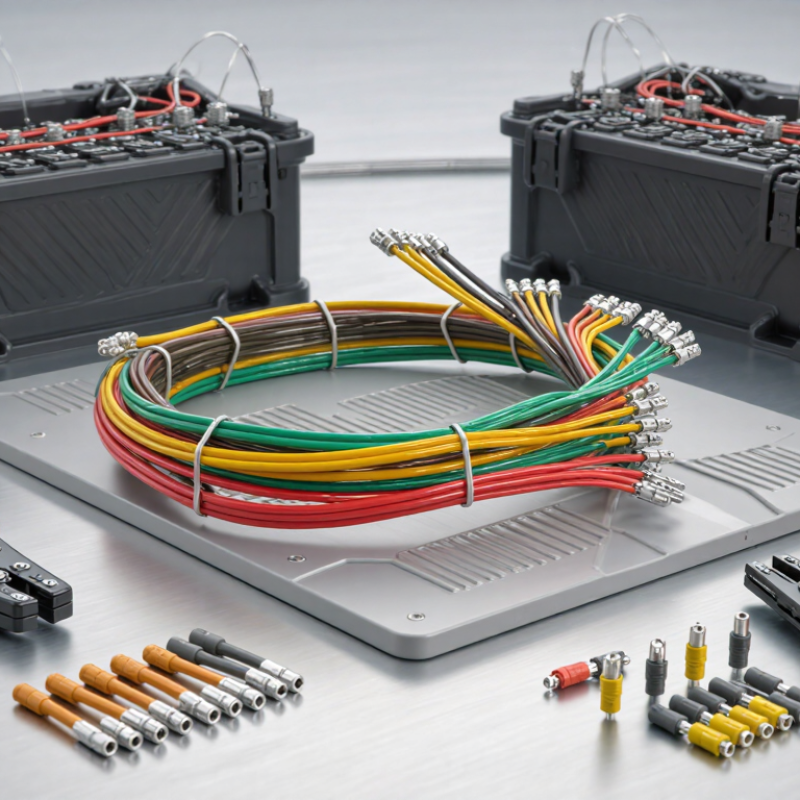
A BMS wire harness connects battery cells, sensors, control boards, and safety circuits. It carries voltage signals and temperature readings across the battery pack. In practice, it is the nervous system of the battery. A loose terminal can distort measurements or interrupt charging.
During battery inspections, I check wire length, connector locking force, insulation, and crimp quality. Small details matter. For example, a cable rubbing against a metal edge may fail after months of vibration. Correct color coding also reduces assembly mistakes. However, color alone is not enough. Clear labels and documented pin layouts improve traceability for global buyers.
A reliable supplier should provide sample testing, continuity reports, and controlled production records. The harness must match current ratings, operating temperatures, bend limits, and installation space. Some buyers focus heavily on price, but that can hide inconsistent crimping or weak strain relief. I have seen visually clean harnesses fail during repeated movement tests. That experience changed my inspection habits. I now request pull tests and thermal cycling data before approving larger orders. No inspection method is perfect, though. Field conditions can expose weaknesses that laboratory tests miss.
Key Criteria for Evaluating Global BMS Wire Harness Suppliers
Global BMS wire harness demand is rising with electric vehicle production. The IEA’s Global EV Outlook 2024 reported nearly 14 million electric car sales in 2023. It also recorded a 40% increase in electric vehicle battery demand. These figures make supplier evaluation more demanding.
Quality evidence should come before attractive pricing. Request process records covering crimp-force testing, terminal retention, insulation resistance, and 100% continuity checks. IPC/WHMA-A-620 provides useful workmanship guidance for cable and wire harness assemblies. Suppliers should also explain how they control conductor routing, bend radius, shielding, and connector locking. Small assembly errors can create large diagnostic problems.
Traceability matters. Ask whether each harness carries a lot code linked to materials, operators, machines, and test results. ISO 9001 certification supports process discipline, while IATF 16949 experience can indicate stronger automotive controls. Yet certificates alone are not enough. I would inspect sample harnesses, review failure reports, and compare stated tolerances with actual measurements. A supplier may pass an audit and still struggle with engineering changes. That gap deserves attention. Lead time, regional capacity, packaging quality, and technical communication should be tested through a pilot order, not assumed from a sales presentation.
Seven Leading BMS Wire Harness Suppliers for International Buyers
Seven leading BMS wire harness suppliers for international buyers should be assessed by capability, not marketing claims. The shortlist may include high-volume automotive manufacturers, custom low-volume specialists, high-voltage harness producers, thermal-sensor assemblers, automated crimping facilities, export-focused factories, and vertically integrated suppliers. This structure reflects real purchasing needs. The IEA reported nearly 14 million electric cars sold worldwide in 2023, creating stronger demand for traceable battery components.
Battery Management System harnesses require precise terminals, stable insulation, and controlled resistance. Suppliers should demonstrate IPC/WHMA-A-620 practices, ISO 9001 systems, and automotive quality controls where applicable. Ask for crimp-height records, pull-force results, continuity tests, and voltage-drop data.
BloombergNEF reported that average lithium-ion battery pack prices reached 139 dollars per kWh in 2023. That cost pressure makes production consistency important. Still, low price is not proof of quality. I have seen attractive samples fail during repeated bending tests. A supplier’s engineering response matters more than a polished catalogue.
Tips: Request three production samples, not one. Confirm wire temperature ratings and connector compatibility. Check lot traceability, change-control procedures, and packaging for overseas transport. Require a corrective-action report for any failed test. A useful supplier should explain tolerances clearly, even when the answer is inconvenient. Also review lead times during peak demand. Forecasts can be wrong, and buyers should keep a practical backup plan.
Comparing Quality, Customization, Compliance, and Delivery Capabilities
Choosing among seven BMS wire harness suppliers requires more than comparing catalog prices. Quality begins with stable crimp force, accurate terminal placement, and insulation that survives vibration, heat, and repeated bending. Ask for pull-test records, conductor specifications, and sample harnesses. Real samples matter. A clean branch layout reduces assembly errors inside crowded battery enclosures.
Customization should cover wire gauge, connector type, branch length, labeling, shielding, and waterproofing. Experienced suppliers can review drawings and suggest safer routing or strain relief. However, flexibility needs control. Frequent design changes may create mismatched revisions. Request a documented approval process, marked samples, and inspection photos before mass production. I have found that small labeling details often prevent larger service problems.
Compliance evidence should match the destination market and battery application. Check material declarations, traceability records, production audits, and test reports from recognized laboratories. Do not accept vague certificates. Delivery capability also deserves close review. Compare tooling lead times, minimum order quantities, buffer stock options, and packaging for long-distance shipping. A supplier promising fast delivery may still lack capacity during peak demand. That risk is easy to overlook. Ask for recent on-time delivery data, escalation contacts, and a realistic recovery plan. Cost remains important, but an inexpensive harness with inconsistent crimps can increase field failures and inspection labor. Reliability is rarely visible in the quotation alone.
How to Select the Right BMS Wire Harness Supplier for Your Project
Selecting the right BMS wire harness supplier starts with engineering evidence, not a low quotation. A capable supplier should review your battery layout, current levels, sensing points, and installation space before pricing. Ask for wire gauge, insulation rating, connector series, pinout, and length tolerances. Request a sample made with production-intent materials. Test crimp pull force, continuity, insulation resistance, and connector retention. These checks can expose weak terminals and incorrect pin mapping early. They also reveal whether the supplier understands battery safety and assembly conditions. Small details matter.
For global projects, evaluate quality systems, traceability, change control, and export packaging. Confirm how production lots are labeled and how defective harnesses are isolated. Review experience with vibration, heat, coolant exposure, and repeated connector mating. A reliable supplier explains technical limits instead of promising everything. Ask for inspection records, corrective-action procedures, and a realistic pilot schedule. Communication matters during drawing changes and urgent production issues. A polished sample can still hide process weakness. I have seen buyers focus on unit price, then absorb higher rework and freight costs. That choice deserves another look. Validate applicable market requirements and request clear written records before approving mass production.