
Choosing the right NPK Liquid Fertilizer is more than comparing three numbers on a label. The real decision begins in the field. Soil texture, crop stage, irrigation quality, and local weather can change the result. A formula that performs well in sandy soil may disappoint in heavy clay. That difference matters.
Dr. Achim Dobermann, a respected fertilizer scientist, has often emphasized this practical principle: “There is no single best fertilizer for every situation.” His view supports a careful, evidence-based approach. Before choosing a product, growers should review soil-test results, nutrient targets, and the crop’s expected yield. They should also check the nitrogen, phosphorus, and potassium forms used in the formulation. Not every liquid product mixes safely with pesticides or hard water.
Look closely.
These seven tips explain how to compare concentration, solubility, application timing, compatibility, and supplier reliability. They also consider storage conditions, because heat and freezing can alter product performance. A clean measuring container, accurate calibration, and a small jar test can prevent costly mistakes. Field experience shows that application uniformity often matters as much as the label analysis.
Still, no guide can replace observation. A perfect-looking plan may fail after heavy rain or unexpected drought. That is the uncomfortable part. Good fertilizer decisions require testing, recording, and adjustment. By combining agronomic advice with verified product information, growers can select NPK Liquid Fertilizer more confidently, reduce waste, and support healthier crop development.
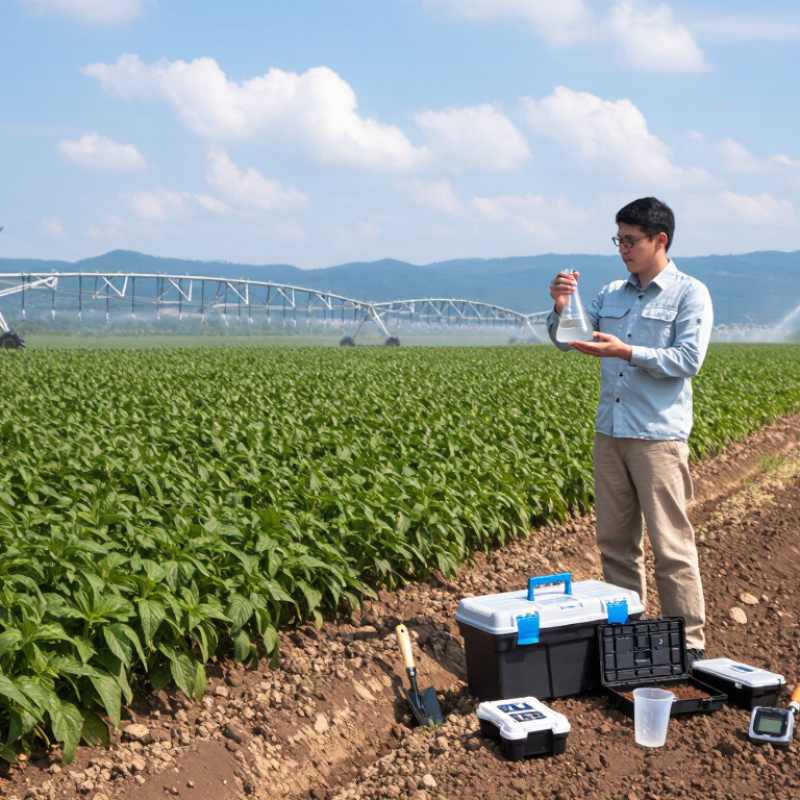
Choosing NPK liquid fertilizer becomes easier when the numbers are treated as a feeding plan, not label decoration. N means nitrogen, P indicates phosphate, and K represents potash. A 10-5-8 formula lists these nutrients in that order, usually by weight. The ratio matters more than the total number. Still, a ratio is not a diagnosis. Yellow older leaves may suggest nitrogen deficiency, but damaged roots can look similar. I have seen gardeners increase fertilizer when saturated soil was the real problem.
Match the formula to the plant’s growth stage. Leafy vegetables often need more nitrogen, while flowering plants may prefer balanced or potassium-forward feeding. Young seedlings usually need weak solutions.
Check dilution instructions carefully, then measure with a clean syringe or cup. Applying concentrated liquid to dry roots can cause stress. Water the soil first when it feels dusty. For containers, observe drainage, leaf color, and new growth each week. These details reveal more than one NPK number.
Compare formulas by nutrient analysis, mixing clarity, and instructions for container or soil use. Choose products with clearly stated nutrient sources and safe storage guidance. Higher NPK does not always mean healthier growth. Excess salts may leave a white crust on the potting mix. Reduce feeding and flush the container if roots remain healthy. Keep a simple log of the ratio, dose, date, and plant response. My own mistake was changing formulas too quickly. Plants often need time. Steady observation beats guesswork.

Choosing NPK liquid fertilizer starts with the crop, not the product label.
Leafy vegetables usually need steady nitrogen for broad, green leaves. Fruiting crops often require more phosphorus and potassium during flowering and fruit development. Young plants need weaker solutions. Test before feeding.
A recent soil report can prevent costly guesses. Check available nitrogen, phosphorus, potassium, soil pH, and electrical conductivity.
Do not correct every symptom with fertilizer. Yellow leaves may indicate poor drainage, root damage, or iron unavailability, not nitrogen deficiency.
Growth stage should guide both concentration and timing.
Dilute the fertilizer according to crop tolerance and apply it to moist soil. Avoid feeding during extreme heat, drought, or waterlogged conditions.
I once increased feeding after seeing pale leaves, but the real problem was compacted soil.
That mistake reinforced a practical rule: inspect roots and soil before changing the nutrient program.
A small trial area can reveal problems safely.
Choosing the right NPK liquid fertilizer starts with the plant, not the bottle. Match nitrogen to leafy growth, phosphorus to roots and flowers, and potassium to water regulation and stress tolerance. A 10-5-5 formula may suit leafy vegetables, while fruiting plants often need less nitrogen and relatively more potassium. Ratios are not universal.
Check the soil before feeding. The USDA Natural Resources Conservation Service recommends soil testing, realistic yield targets, and nutrient applications based on crop needs. Read the label carefully, because NPK numbers show nutrient percentages, not equal plant uptake. Consider crop age, growing medium, sunlight, and irrigation. Young seedlings usually need weaker solutions. Overfeeding can scorch roots.
Liquid fertilizer demands accurate measuring. Use a clean syringe or graduated cup, and dilute according to the crop’s growth stage. Do not increase the dose because leaves look pale; poor drainage or root damage may be responsible. Observe leaf color, new growth, and soil moisture for seven days. Then adjust cautiously. The International Fertilizer Association estimated global fertilizer demand near 200 million tonnes of nutrients annually in its 2024 outlook, showing the scale of nutrient use. Yet more fertilizer does not mean better plants. I have seen vigorous foliage hide poor flowering after excessive nitrogen. That mistake is worth remembering. Recheck the balance after pruning, transplanting, or heavy rainfall.
Practical starting ratios of nitrogen (N), phosphate (P₂O₅), and potash (K₂O) for common plant groups.
Choosing NPK liquid fertilizer starts with product quality, not a colorful container. Check the batch number, manufacture date, nutrient analysis, and storage instructions. A clear label should identify nitrogen forms, available phosphate, soluble potash, and secondary nutrients. Ask for a certificate of analysis when possible. It should show tested nutrient levels, density, pH, and heavy-metal limits. Reliable documentation matters. I also inspect the bottle for swelling, leaks, or thick layers. Sediment is a warning, though not every settled product is unusable.
Solubility affects application accuracy and crop safety. Shake a small sample, then dilute it in clean water at the intended rate. Watch for flakes, strings, oily films, or crystals after thirty minutes. Use room-temperature water for a fair test. Hard or alkaline water can change the result. A jar test is cheap insurance. Still, my first test looked fine, but the spray tank later formed a fine sludge. I should have tested the actual water source, not bottled water.
Compatibility needs more than a successful mixing test. Check the fertilizer against pesticides, micronutrients, biological products, and irrigation equipment materials. Mix a small volume in the same order planned for the tank. Never assume two clear liquids will remain stable. Measure pH and electrical conductivity when records are available. High salt levels may stress young roots or scorch leaves. Apply a small trial area and inspect it for several days. Keep notes on water temperature, dose, settling time, and plant response. Local agronomy guidance can catch mistakes that labels cannot.
Choosing an NPK liquid fertilizer starts with the application method, not the label alone.
IFA’s 2024 fertilizer outlook places global nutrient demand near 200 million tonnes yearly, so small handling decisions matter at scale. Soil drenching suits root feeding and dry beds. Foliar spraying acts faster, but leaves can scorch when concentration or temperature is wrong. In my field checks, uneven nozzle pressure caused visibly patchy growth.
Safety should be practical.
Wear gloves, eye protection, long sleeves, and closed footwear. Keep children and animals away during mixing. Read the product label and Safety Data Sheet every time. The U.S. EPA requires fertilizer labels to state directions, hazards, and storage precautions. Never mix NPK liquid with another input unless compatibility is confirmed. A jar test is cheap insurance. I still find this step easy to skip.
Cost comparisons should include water, labor, equipment cleaning, and crop loss risk.
Concentrated liquid may reduce transport volume, while dilute products can simplify small-scale dosing. Compare cost per kilogram of available nitrogen, phosphorus, and potassium, not cost per bottle. Store containers upright, sealed, shaded, and protected from freezing. FAO’s fertilizer management guidance stresses preventing nutrient losses and contamination around storage areas. Record opening dates and inspect for crystals, swelling, or separation. A separated product may sometimes be remixed, but guessing is poor practice. Expect storage advice to vary with formulation.


All of Hapco's formulations are completely free of Mercury.

Hapco has been in business for over 50 years!

*NOTICE* Hapco will be will be closed on Monday, May 26th, in observance of Memorial Day. |
| Cookie | Duration | Description |
|---|---|---|
| cookielawinfo-checkbox-analytics | 11 months | This cookie is set by GDPR Cookie Consent plugin. The cookie is used to store the user consent for the cookies in the category "Analytics". |
| cookielawinfo-checkbox-functional | 11 months | The cookie is set by GDPR cookie consent to record the user consent for the cookies in the category "Functional". |
| cookielawinfo-checkbox-necessary | 11 months | This cookie is set by GDPR Cookie Consent plugin. The cookies is used to store the user consent for the cookies in the category "Necessary". |
| cookielawinfo-checkbox-others | 11 months | This cookie is set by GDPR Cookie Consent plugin. The cookie is used to store the user consent for the cookies in the category "Other. |
| cookielawinfo-checkbox-performance | 11 months | This cookie is set by GDPR Cookie Consent plugin. The cookie is used to store the user consent for the cookies in the category "Performance". |
| viewed_cookie_policy | 11 months | The cookie is set by the GDPR Cookie Consent plugin and is used to store whether or not user has consented to the use of cookies. It does not store any personal data. |