Skip to Content

Liquid Molding Monthly

7 Best Downy Mildew Chemical Control Options for Crops

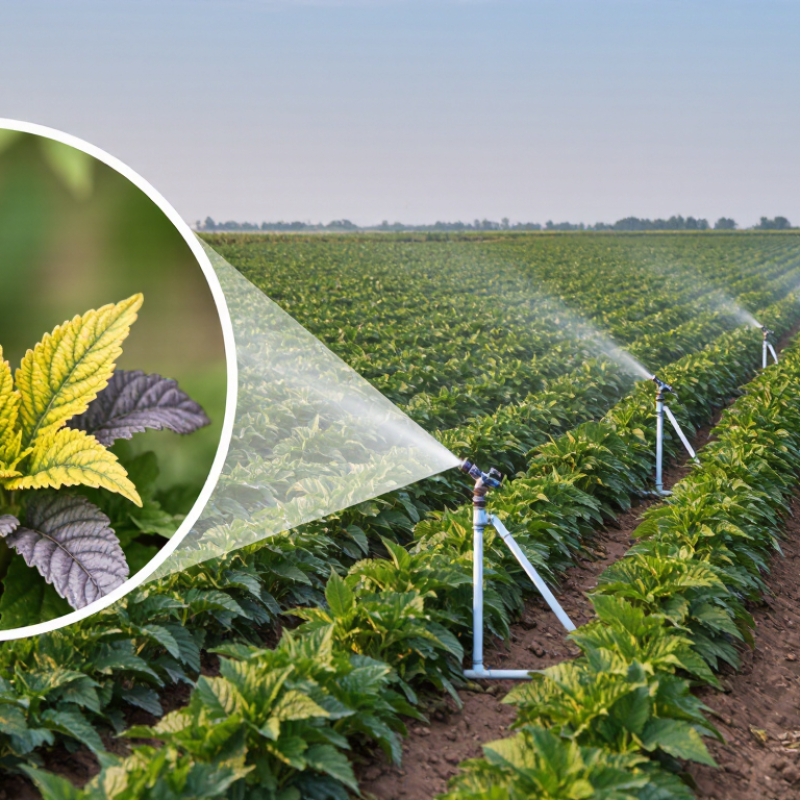
Downy mildew can spread quickly, leaving angular yellow patches on leaves and gray-purple growth beneath them. After rain or heavy dew, a field may look different within days. Effective Downy Mildew Chemical Control starts with accurate diagnosis, regular scouting, and timely action—not simply choosing the strongest product. Similar symptoms can come from other problems, so confirm the cause before spraying. Small mistakes matter.

Michigan State University plant pathologist Mary Hausbeck has studied downy mildew management extensively. In paraphrase, her research-based guidance points to an important lesson: preventive timing and thorough coverage matter, while established infections are harder to manage. This is a paraphrase, not a verbatim quotation. It reflects why growers should consider disease risk, crop stage, and weather together.

This guide introduces seven chemical control options for crops, including fungicide groups with different modes of action. Product performance varies by crop, pathogen, and local conditions. Labels are essential: use only products registered for the crop and disease, and follow application directions and safety precautions. Rotate modes of action where labels and current resistance guidance support it. No spray program is perfect. Repeated use of one mode can encourage resistance, while missed leaf surfaces can leave plants exposed. The options ahead are practical starting points, not a substitute for local extension advice or field-specific judgment. Check the forecast, inspect the undersides of leaves, and reassess after treatment. That step is easy to overlook.
7 Best Downy Mildew Chemical Control Options for Crops

Identifying Downy Mildew Symptoms and Crop Risks

Downy mildew often begins as pale yellow or green patches on older leaves. These marks may follow the veins, forming angular shapes that look different from many leaf spots. Turn an affected leaf over. In humid weather, a gray, violet, or whitish down may appear beneath the lesions. It can be faint, so check early in the morning. Not always obvious.

Symptoms vary by crop and pathogen. Grapevines may develop yellow, oily-looking spots, while cucurbits often show angular yellow lesions. In lettuce, affected leaves can turn pale and collapse. Similar signs can come from nutrient stress or other diseases, so appearance alone is not a reliable diagnosis. A hand lens and a clear photo of both leaf surfaces can help with follow-up.

Risk rises when leaves stay wet and air remains cool and humid, especially in dense plantings with poor airflow. Young foliage and seedlings may be vulnerable, and an outbreak can reduce marketable yield before damage looks severe. Scout low, shaded leaves as well as the canopy top. Record where symptoms appear and whether they spread after wet nights. It is easy to miss the first patch when scouting quickly. A local crop adviser or diagnostic laboratory can help confirm the cause before control decisions are made.

Choosing the Right Chemical Control for the Crop

Choosing a downy mildew treatment starts with the crop, not the shelf. Grapes, cucurbits, and lettuce face different disease pressure and have different approved-use labels. FAO’s 2021 Scientific Review of the Impact of Climate Change on Plant Pests cites estimates that plant pests cause losses of up to 40% of global crop production each year. This is not a downy mildew estimate, but it shows why timely, crop-specific decisions matter.

Small details matter. Check the crop, disease, application timing, preharvest interval, and re-entry interval on the local label.

Downy mildew is caused by oomycetes, so confirm that the product is effective against the disease and registered for that crop. FRAC’s 2024 Code List groups fungicides by mode of action; rotating groups can help reduce resistance pressure. Avoid repeating the same mode of action across successive sprays when the label and local guidance support alternatives.

Weather changes fast. Scout lower leaf surfaces for pale, angular lesions and check humid areas after rain or heavy dew.

I would still question a spray plan built from symptoms alone: nutrient stress and other diseases can look similar. Local extension recommendations and recent field history can help refine the choice.

Seven Fungicide Options for Managing Downy Mildew

Downy mildew is caused by oomycetes, not true fungi, so check that a product label specifically lists the crop and disease. Seven options, where locally registered, include copper-based protectants, phosphonates, phenylamides such as metalaxyl or mefenoxam, cyazofamid, mandipropamid, fluopicolide, and oxathiapiprolin. They differ in movement, persistence, and resistance risk. Not a cure.

Copper products mainly protect leaf surfaces; good coverage matters, including on leaf undersides where downy growth may develop after humid nights. Phosphonates can support disease management, but crop sensitivity and timing matter. Phenylamides may be less reliable where resistance has developed. Cyazofamid, mandipropamid, fluopicolide, and oxathiapiprolin have different modes of action. Rotate fungicide groups according to their FRAC classifications rather than repeatedly using one option alone.

Apply preventively when scouting, weather, and crop stage point to risk; existing lesions are difficult to reverse. Follow the label for rates, intervals, protective equipment, and preharvest restrictions. Rules vary. Rain, dense foliage, and missed leaf surfaces can undermine treatment. I would not assume a spray worked without checking the crop again, and local extension advice can help refine the plan.

Applying Treatments at the Right Time and Rate

7 Best Downy Mildew Chemical Control Options for Crops

Timing often matters as much as product choice. UC IPM’s grape guidance describes the “10-10-24” infection rule: shoots are at least 10 cm long, temperatures reach 10°C or higher, and rain totals at least 10 mm within 24 hours. Treat this as a grape-specific risk signal, not a universal rule for every crop. Check local forecasts and scout the lower canopy, where damp leaves can hide early symptoms. Small details matter.

Apply a registered fungicide before infection periods when its label calls for preventive use. Calibrate the sprayer with clean water, then check that the undersides of leaves receive coverage. Use the labeled rate for the crop and application volume; more product does not mean better control. FRAC’s 2024 Code List supports rotating fungicide groups to reduce resistance pressure. Follow the crop label for intervals, seasonal limits, and preharvest timing.

Tips: Record spray dates, rainfall, and symptoms in one field log. Recheck the field after wet weather. A missed window can happen; review what the forecast showed, rather than simply increasing the next rate.

Preventing Fungicide Resistance and Protecting Crop Health

Downy mildew can spread quickly when leaves stay wet and nights remain mild. FAO’s 2021 report estimates that plant pests cause up to 40% of global crop losses each year; that figure covers many threats, not downy mildew alone. It shows why timely protection matters. Scout lower leaf surfaces after humid nights, and check for angular yellow patches or downy growth. Small details matter. Record where symptoms appear and how quickly they spread.

Choose a fungicide only when the crop, disease, and application timing match its label. FRAC’s 2024 Code List groups fungicides by mode of action, making it useful for planning rotations. Alternate different FRAC groups rather than switching between products with the same code. Follow label limits on repeat applications and seasonal use, and use mixtures only when both components are effective against the target disease. Labels still matter. A calendar spray can miss the real risk window.

Combine chemical protection with crop-health practices: improve airflow, avoid prolonged leaf wetness, remove infected debris where appropriate, and irrigate early enough for foliage to dry. Recheck the field after treatment; new lesions or continued spread may signal poor timing, coverage, or reduced sensitivity. Do not respond by simply increasing rates. That tempting shortcut can injure crops and speed resistance. Keep application records, including weather, growth stage, and FRAC group, then review them before the next spray decision.

7 Downy Mildew Fungicide Options: Resistance-Risk Overview

Risk categories are a general, qualitative comparison of resistance potential by FRAC mode-of-action group—not measured efficacy or a universal ranking. Risk depends on the pathogen and local conditions. Follow the crop and product label, rotate among different FRAC groups, and use non-chemical controls as part of an integrated program.

100% Mercury Free

100% Mercury Free

All of Hapco's formulations are completely free of Mercury.

50 Year Track Record

50 Year Track Record

Hapco has been in business for over 50 years!

ISO Certified

Higher Quality. More Efficiency. View Certificate

Technical Expertise

Hapco's employees are knowledgeable and ready to help.

Join Our Mailing List

Get the latest news, updates, and articles from Hapco, Inc.

Join Now