Best Compound Fertilizer for Global Buyers in 2026?
As the global agricultural landscape evolves, the demand for efficient and effective fertilizers intensifies. In this context, Compound Fertilizer emerges as a vital resource for farmers aiming to boost crop yield. By combining multiple nutrients, these fertilizers answer the complex needs of various soil types and crop varieties.
In 2026, buyers worldwide will face diverse options. Navigating this market requires a keen understanding of local agricultural practices and compound formulations. Not all Compound Fertilizer is created equal. Some formulations may perform better in specific climates or soil conditions. Thus, buyers must evaluate their unique agricultural requirements.
Investing in high-quality Compound Fertilizer is essential for sustainable farming. However, inefficiencies can arise from poor product choices. This highlights the need for informed decision-making and thorough research. Cultivators must remain vigilant and adapt practices based on market trends and scientific advancements. Ultimately, the best Compound Fertilizer not only supports crop growth but also fosters long-term agricultural sustainability.
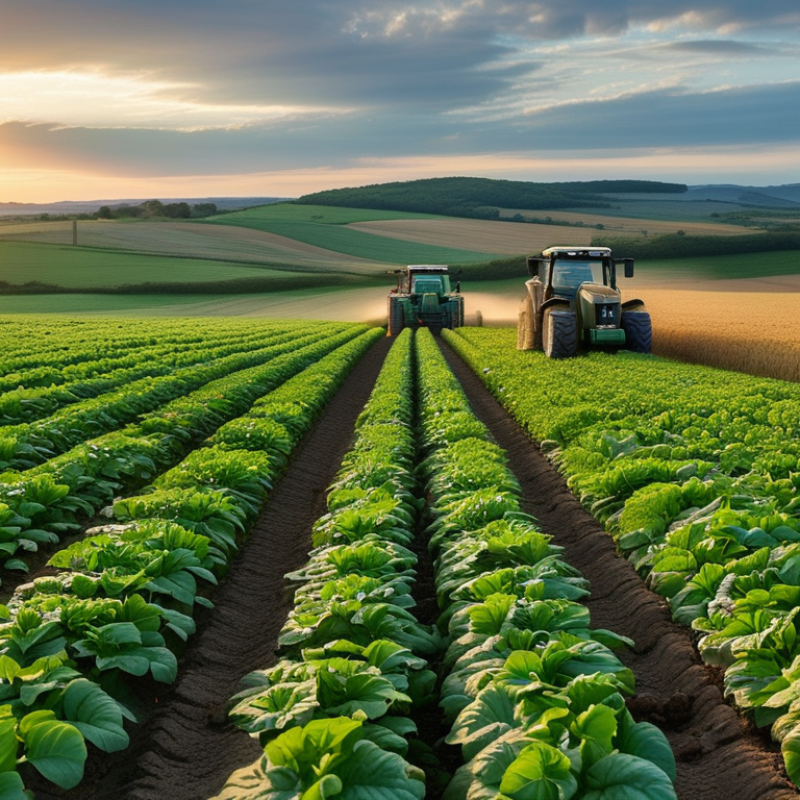
Overview of the Global Compound Fertilizer Market in 2026
The global compound fertilizer market is expected to undergo significant changes by 2026. Several factors are influencing this dynamic landscape. Climate change, for example, is altering agricultural practices worldwide. Farmers are increasingly prioritizing sustainable methods to enhance crop yields. This shift will likely lead to changes in fertilizer formulations.
Market demand is expected to rise in various regions. Asia-Pacific is projected to maintain its position as a dominant player. The need for high-quality food sources continues to grow. In North America and Europe, organic and eco-friendly fertilizers are gaining traction. However, challenges remain. Supply chain disruptions and fluctuating raw material prices can complicate market stability.
Another consideration is the growing emphasis on research and development. Innovations in nutrient delivery and blending techniques are crucial. Companies must adapt to meet evolving agricultural needs. The pursuit of efficiency in fertilizer use presents opportunities and hurdles. The industry must reflect on existing practices and learn from past mistakes. This reflection may pave the way for more effective solutions in the future.
Best Compound Fertilizer for Global Buyers in 2026
| Region | Market Size (Million USD) | Growth Rate (%) | Major Crop Types | Key Nutrients |
| North America | 4500 | 3.7 | Corn, Soybean | N, P, K |
| Europe | 3200 | 4.5 | Wheat, Barley | N, P, K, Mg |
| Asia-Pacific | 8000 | 5.0 | Rice, Vegetables | N, P, K, S |
| Latin America | 3700 | 4.0 | Soybean, Coffee | N, P, K |
| Middle East & Africa | 1500 | 2.8 | Cereals, Fruits | N, P, K |
Key Factors Influencing Demand for Compound Fertilizers Globally
The demand for compound fertilizers is expected to rise significantly by 2026. Several key factors influence this trend globally. Population growth is a leading driver. The UN projects the world population will reach 9.7 billion by 2050. This surge necessitates increased food production, fueling the need for efficient fertilizers.
Sustainability concerns also shape the market. Farmers are actively seeking environmentally friendly solutions. According to a recent report by ResearchAndMarkets, sustainable fertilizers are predicted to have a compound annual growth rate (CAGR) of over 6% through 2026. This shift reflects growing awareness of the environmental impact of conventional fertilizers.
**Tip:** Farmers should focus on soil health. Regular soil testing can guide the appropriate use of fertilizers. Tailored applications can improve crop yield and reduce wastage.
Technological advancements play a pivotal role. Precision agriculture tools enhance fertilizer application, optimizing usage and minimizing environmental repercussions. A study from the International Fertilizer Association highlights that precision techniques can reduce fertilizer usage by up to 20% without sacrificing crop yield. However, adoption rates vary across regions, often hindered by cost and accessibility issues.
**Tip:** Stay updated on emerging technologies. Participating in agriculture workshops can provide insights into the latest advancements in fertilizers.
Best Compound Fertilizer Demand Forecast for Global Buyers in 2026
The bar chart above illustrates the forecasted demand for different types of compound fertilizers globally in 2026. The demand is measured in million tons and reflects the nutrient requirements of the agricultural sector, highlighting the significant role of nitrogen, phosphorus, and potassium in crop production.
Top Compound Fertilizer Manufacturers and Their Offerings in 2026
In 2026, the global demand for compound fertilizers is expected to rise significantly. The latest industry reports suggest that the market will expand by approximately 4% annually, driven by the need for increased agricultural output. Manufacturers are focusing on developing efficient formulations to meet varied crop requirements.
Key players in the industry are diversifying their offerings. Many are now producing fertilizers that combine essential nutrients like nitrogen, phosphorus, and potassium in precise ratios. This is crucial for optimizing plant growth and yield. Reports indicate that customizable blends catering to specific soil types and crop needs are becoming increasingly popular among farmers.
Tips for choosing the right compound fertilizer include evaluating soil health and crop requirements. Testing soil can pinpoint nutrient deficiencies. Farmers should also consider local agricultural practices, as they can influence fertilizer effectiveness. Understanding these variables helps in making informed purchasing decisions.
Sustainable Practices in Compound Fertilizer Production and Usage
The demand for sustainable practices in compound fertilizer production is on the rise. As global awareness about environmental issues grows, manufacturers are adapting their methods. They are shifting from traditional methods to more eco-friendly solutions. This includes using recycled materials and reducing waste.
Tips: Consider local sourcing for raw materials. This can reduce transportation emissions. Using organic content can enhance soil health too.
Another important aspect is the balance of nutrients. Sustainable fertilizers provide essential nutrients. However, they must minimize environmental harm. Overuse of certain nutrients can lead to soil and water degradation. Thus, it's vital for producers to conduct thorough assessments.
Tips: Monitor soil health regularly. Understanding nutrient requirements can prevent excessive applications. Sustainable practices should be a priority for all producers and users alike.
Future Trends and Innovations in Compound Fertilizer Formulation
The future of compound fertilizer formulation indicates significant shifts, driven by innovation and sustainability. As farmers face increased demands for food production, understanding nutrient management becomes crucial. Innovations in biodegradable and slow-release fertilizers are emerging. These allow nutrients to be available over time, reducing leaching and waste.
Another trend is the integration of precision agriculture. Technologies like soil sensors and drones collect real-time data. This information helps tailor fertilizer application precisely, maximizing efficiency. However, while these technologies promise better crop yields, adoption may be slow due to initial costs or lack of awareness.
The sustainability aspect is gaining momentum. Researchers are exploring renewable raw materials for fertilizers. This shift not only addresses environmental concerns but also helps improve soil health. Yet, the challenge remains to balance cost and performance in formulations. Stakeholders must remain vigilant about evolving agricultural needs and environmental impacts. Understanding these trends offers insights into the future landscape of compound fertilizers.