Best Household Insecticides for Effective Pest Control?
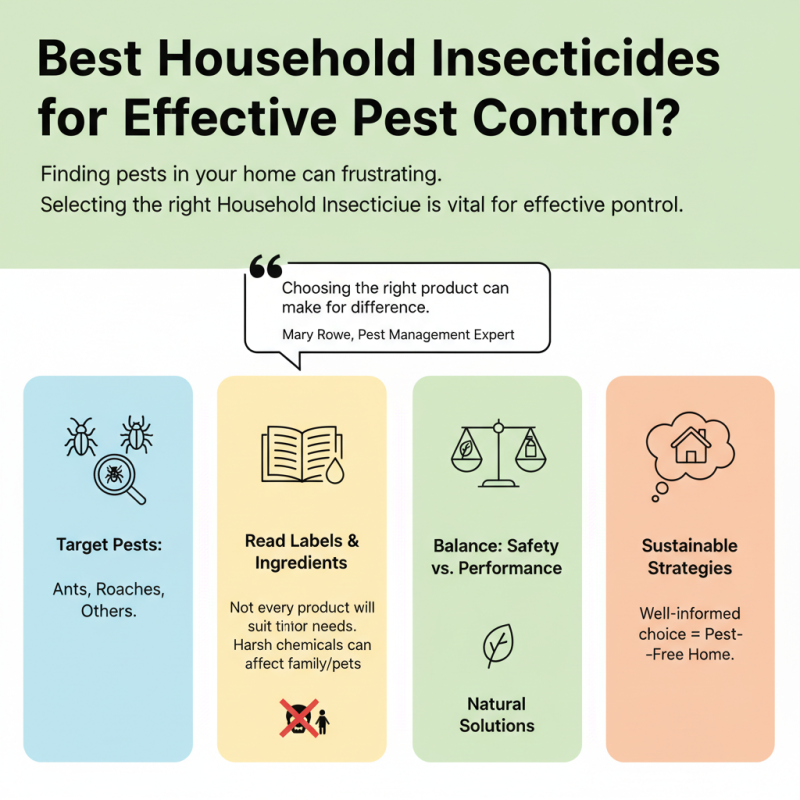
Finding pests in your home can be frustrating. Selecting the right Household Insecticide is vital for effective pest control. Mary Rowe, an expert in pest management, emphasizes, "Choosing the right product can make all the difference."
You might consider various options available in stores. Common household insecticides target ants, roaches, and other pests. Reading labels and understanding ingredients is crucial. Not every product will suit your needs. Some may contain harsh chemicals that affect your family or pets.
While convenience is tempting, effectiveness varies. It’s essential to balance safety with performance. Sometimes, a more natural solution might be better. Reflecting on your approach could lead to more sustainable pest management strategies. Remember, a well-informed choice can create a pest-free environment at home.
Best Household Insecticides: Overview of Popular Types and Uses
When tackling household pests, selecting the right insecticide is crucial. Numerous types are available, each designed for specific pests. A recent report by the Environmental Protection Agency highlights that insecticides are effective against common invaders like ants, cockroaches, and termites. For instance, pyrethroids work well on a broad spectrum of insects. These synthetic chemicals mimic natural insecticides found in chrysanthemum flowers. Their potency allows for quick knockdown of pests.
Moreover, baiting systems offer an alternative approach. Unlike sprays, baits attract pests to ingest the poison. Studies reveal that baits can reduce unwanted insects more effectively. Notably, 75% of households reported a significant decrease in pest populations after using bait stations. However, improper usage can lead to pest resistance, and not all insecticides are safe for indoor use. Homeowners often overlook the importance of reading labels. Using the wrong product could cause harm to pets or children.
The choice of insecticides also matters for environmental health. Many consumers strive for eco-friendly options. Recent surveys show that 60% of people prefer less toxic alternatives. While natural products can be effective, their overall efficacy may lag behind synthetic versions. Balancing safety and effectiveness requires careful consideration and sometimes trial and error.
Best Household Insecticides for Effective Pest Control
Active Ingredients in Insecticides: What's Most Effective Against Pests?
When choosing insecticides, understanding the active ingredients is vital. Various chemicals target specific pests effectively. For instance, pyrethroids are commonly used and are highly effective against mosquitoes and cockroaches. Reports from the Environmental Protection Agency indicate that products containing these compounds can reduce pest populations by up to 95% within a few days.
Another significant ingredient is neonicotinoids. They work by attacking the nervous system of insects. Studies show that these substances can persist in soil, which raises environmental concerns. This longevity may lead to unintended consequences for ecosystems, including harm to beneficial insects.
Natural alternatives have gained attention as well. Essential oils like neem and peppermint can deter pests. However, their efficacy often varies, and they require frequent application. While they are safer for pets and humans, some users find them less effective than chemical options. Balancing effectiveness and safety remains a challenge for many households.
Safety Guidelines for Using Household Insecticides at Home
Using household insecticides can be effective for controlling pests, but safety should always come first. According to the National Pesticide Information Retrieval System, improper use of insecticides can lead to harmful exposure for people and pets. Always read labels to understand active ingredients and safe application methods. Before applying any insecticide, ensure good ventilation in the area.
Tips: Wear protective gloves and masks. This keeps skin and airways safe from chemicals. Avoid using strong insecticides near food preparation areas. Small children and pets are especially vulnerable. Keep them away until the area is deemed safe.
It’s crucial to store insecticides in a locked cabinet. The U.S. Environmental Protection Agency states that improper storage leads to accidents. Many families underestimate the importance of storage. Review where and how you store these products periodically. Consider using less toxic alternatives when possible. This can make your home safer while effectively managing pests.
Impact of Common Insecticides on Household Pest Populations
When it comes to pest control, choosing the right insecticides is essential. Common household insecticides can significantly reduce pest populations. However, it’s important to consider their impact on the environment and human health.
Many people underestimate the effects of common insecticides. They can harm beneficial insects too. This could upset the natural balance of your garden or home. For instance, spraying a potent insecticide may kill ladybugs, which help control aphid populations. It’s essential to understand these dynamics before applying chemicals.
Tips: Always read the label. Know what pests you're targeting. Use insecticides sparingly and selectively. For minor infestations, consider non-toxic alternatives first.
Another key concern is safety. Some insecticides pose risks to pets and children. Consider using bait systems or traps when possible. Closing gaps and sealing entry points can also reduce reliance on chemical interventions.
Tips: Ventilate the area well after use. Store insecticides out of reach. Invest in natural pest repellents like essential oils.
Awareness and caution can lead to better pest management. Engaging in integrated pest management strategies helps protect your home and the ecosystem.
Environmental Considerations: Eco-Friendly Alternatives to Traditional Insecticides
Pest control is essential for maintaining a healthy home. However, traditional insecticides often raise environmental concerns. Many people seek eco-friendly alternatives that are effective yet safe for the planet. According to a report by the Environmental Protection Agency, traditional insecticides can harm non-target species and contribute to pesticide resistance. This drives the demand for environmentally friendly options.
Natural insecticides, like neem oil and diatomaceous earth, can be effective. Neem oil disrupts the life cycle of insects, reducing their populations without the harsh chemicals. Similarly, diatomaceous earth kills pests by dehydrating them, offering a non-toxic solution. Moreover, a study published in the Journal of Economic Entomology highlighted that fewer synthetic chemicals lead to healthier ecosystems. Making this shift is crucial for future pest control strategies.
Tips: Use traps and barriers as natural pest deterrents. For example, a vinegar trap can attract and kill fruit flies. Regularly check for entry points in your home. While natural options exist, they may take longer to see results compared to chemicals. This process can be frustrating but remains an important practice for environmentally conscious households. Embracing eco-friendly methods is vital for sustainable living.
Best Household Insecticides for Effective Pest Control - Environmental Considerations: Eco-Friendly Alternatives to Traditional Insecticides
| Insecticide Type | Active Ingredients | Target Insects | Environmental Impact | Effectiveness |
| Diatomaceous Earth | Silica | Ants, Bed Bugs, Cockroaches | Non-toxic, safe for pets | High |
| Neem Oil | Azadirachtin | Aphids, Mealybugs, Spider Mites | Biodegradable, low toxicity | Moderate to High |
| Soap Spray | Fatty Acids | Whiteflies, Aphids, Thrips | Low toxicity, safe for beneficial insects | Moderate |
| Boric Acid | Boric Acid | Cockroaches, Ants | Lower toxicity, effective in small amounts | High |
| Essential Oils | Various (e.g., peppermint, citrus) | Mosquitoes, Flies, Ants | Natural, eco-friendly scents | Variable |