
Skip to Content

Liquid Molding Monthly

What Are the Best Saudi Air Cargo Companies in 2026?

Choosing the best Saudi Air Cargo companies in 2026 means looking beyond brand recognition. Shippers need dependable schedules, suitable cargo capacity, clear tracking, and careful handling at each transfer point. A shipment’s real test may be a temperature-sensitive pallet, a missed connection, or a delivery deadline in a distant city. Small operational details matter.

The market is supported by ambitious national plans. Saudi Arabia’s General Authority of Civil Aviation has set a goal of handling 4.5 million tonnes of air cargo annually by 2030. That target signals investment, not a guarantee of service quality today. Global demand is also changing: IATA reported that air cargo demand rose 11.3% in 2024, while capacity increased 7.4%. These figures provide useful context, but they do not show which carrier performs best on a specific Saudi route.

This guide compares providers through practical criteria: network coverage, handling capabilities, digital visibility, service options, and evidence of operational performance. It considers established operators and logistics companies serving Saudi businesses, while recognizing that strengths vary by shipment type and destination. A carrier suited to urgent freight may not be the best fit for regular palletized cargo. Rankings also depend on published information, which can be incomplete. That deserves scrutiny. Use the comparisons as a starting point, then confirm current schedules, handling requirements, and service terms directly with each provider.
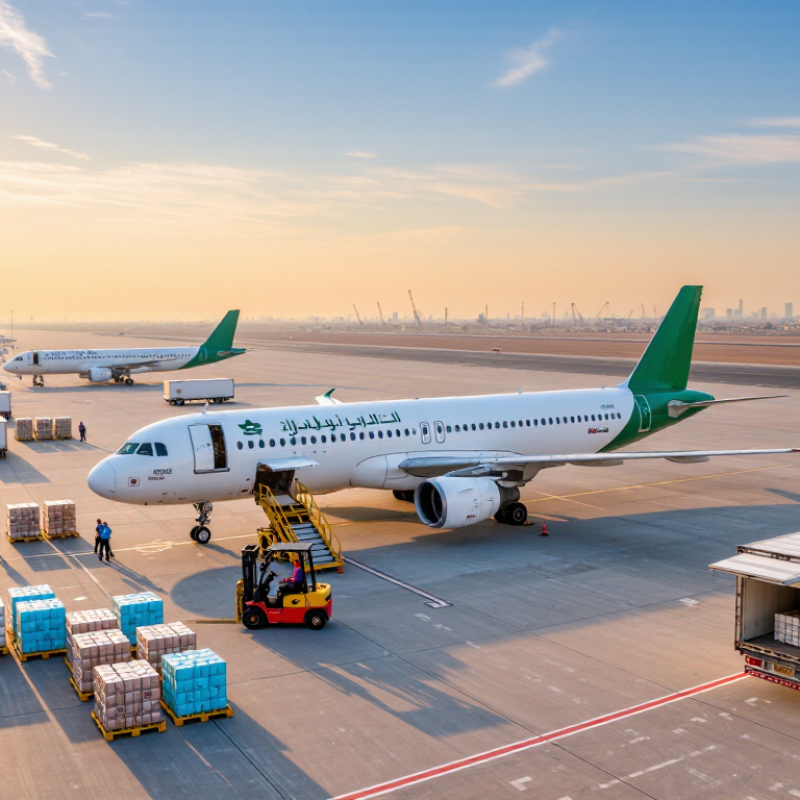
What Are the Best Saudi Air Cargo Companies in 2026?

How Saudi Arabia’s Air Cargo Market Is Structured in 2026

Saudi Arabia’s air cargo market is a connected chain, not a single terminal. Airport cargo facilities receive shipments, handle screening and storage, and transfer freight to airlines or road transport. Freight forwarders coordinate bookings and documents, while customs processes shipments at the border. Riyadh, Jeddah, and Dammam serve different mixes of domestic distribution, international connections, and industrial demand.

The handoffs matter: a pallet waiting for a late truck can lose the time saved in flight.

The market is also being built for growth. The General Authority of Civil Aviation’s National Aviation Strategy sets a 2030 target of 4.5 million tonnes of annual cargo capacity. That is a target, not today’s throughput.

Globally, IATA reported that air-cargo demand rose 11.3% in 2024, measured in cargo tonne-kilometres, while capacity increased 7.4%.

This helps explain why Saudi operators are expanding infrastructure and connections, but global growth does not guarantee local utilization. The structure is still evolving.

A cold-storage room near an airport is useful only when power, handling, customs, and onward transport work together. Even a well-designed network can have weak links.


What Defines the Best Air Cargo Companies in Saudi Arabia

Choosing a strong air cargo provider in Saudi Arabia starts with operational fit, not a glossy promise. The best companies understand how shipments move between major airports, inland destinations, and regional trade routes. They can explain cut-off times, available flight capacity, and what happens when a connection is missed. Details matter.

Reliable handling is equally important. Ask how staff protect temperature-sensitive goods, fragile cartons, and urgent industrial parts. A capable provider uses documented procedures, trained teams, and clear handovers at each transfer point. Digital tracking should show useful events, not just “in transit.” Local customs knowledge can help prevent avoidable delays, while accurate paperwork remains the shipper’s responsibility. No system is perfect.

Service quality becomes visible when plans change. A dependable company alerts customers early, offers realistic alternatives, and gives them a contact who can act. Transparent pricing should identify fuel, handling, storage, and other possible charges before booking. Compare on-time performance and claims response over time, rather than relying on one impressive quote. Some gaps will remain; even good providers can communicate poorly during a busy peak. That deserves scrutiny.

Leading Saudi Air Cargo Companies and Their Main Services

What Are the Best Saudi Air Cargo Companies in 2026?
Leading Saudi Air Cargo Companies and Their Main Services

Saudi air cargo providers serve different needs, from airport-to-airport freight to complete door-to-door coordination. Their core services commonly include export and import handling, shipment booking, cargo consolidation, and preparation of transport documents. Some providers also arrange temperature-controlled space for suitable goods, secure storage, and tracking updates. Service availability can vary by airport, route, shipment size, and season, so a company’s stated capabilities should be checked against your specific shipment.

For time-sensitive freight, ask about flight options, cut-off times, and how delays are communicated. For heavier cargo, confirm weight limits, handling equipment, and delivery arrangements before booking. Experienced providers can explain documentation requirements and identify missing details early, but customers remain responsible for supplying accurate shipment information. Small errors matter. A mismatch in dimensions or paperwork can slow acceptance and disrupt a tight schedule.

Tips: Compare providers by route coverage, handling standards, response times, and clear pricing—not by headline rates alone. Request a written quote that lists surcharges and destination fees. For chilled shipments, ask how temperature is monitored and what happens if a connection is missed. Keep tracking and contact details handy. Plans can change. Check every assumption before cargo leaves the warehouse.

How Providers Compare by Routes, Cargo Types, and Coverage

Choosing an air cargo provider in Saudi Arabia starts with the route, not the size of its network. Riyadh, Jeddah, and Dammam serve different shipping needs, so compare actual flight schedules and destination coverage. A provider may offer broad international connections but limited capacity on your specific lane. Schedules matter.

Cargo type changes the comparison. Fresh food needs dependable temperature control and short handling times. Machinery may require careful loading plans, while e-commerce shipments often depend on frequent departures and clear tracking. Ask how each provider handles delays, missed connections, and cargo requiring special care. Request lane-specific performance data rather than relying only on general service claims.

Coverage also includes the journey beyond the airport. Check whether pickup and final delivery are available in the areas you serve, and confirm cutoff times, handling procedures, and shipment updates. A detailed network map can still leave gaps between cities or during busy periods. Details change. One imperfect measure is a provider’s published on-time rate: it may not reflect your cargo type or route, so compare recent results for similar shipments before deciding.

What Are the Best Saudi Air Cargo Companies in 2026? - How Providers Compare by Routes, Cargo Types, and Coverage

A practical comparison of Saudi Arabia’s main air cargo gateways for evaluating providers. Airport access does not guarantee a particular carrier, route, handling service, or flight schedule; confirm availability with the provider.

Cargo gateway Airport code and location Route and coverage context Cargo considerations What to verify with a provider
Jeddah gateway King Abdulaziz International Airport (JED), Jeddah A major western Saudi gateway. International and domestic connections depend on the carrier’s operating schedule and available capacity. Consider for shipments serving western Saudi Arabia. For perishables, pharmaceuticals, or other temperature-sensitive freight, confirm the specific handling and storage arrangements. Direct versus connecting service, customs arrangements, cargo acceptance cut-off, and onward delivery coverage.
Riyadh gateway King Khalid International Airport (RUH), Riyadh Serves the capital and central Saudi Arabia. Available international and domestic lanes vary by airline, forwarder, and schedule. A location to assess for central-region deliveries and general freight. Confirm specialized services separately rather than assuming they are available for every shipment. Transit time, service frequency, special-cargo acceptance, and the final-mile delivery area.
Eastern Province gateway King Fahd International Airport (DMM), Dammam Serves Dammam and the Eastern Province. Specific international connections and onward services depend on current carrier schedules and routing. Useful to evaluate for shipments destined for the eastern region, including industrial freight. Confirm acceptance rules for oversized, hazardous, or time-critical cargo. Aircraft or road connections, handling of heavy or special cargo, and delivery coverage beyond the airport area.
Madinah gateway Prince Mohammad bin Abdulaziz International Airport (MED), Madinah Provides air access to Madinah and surrounding areas. Cargo route options and capacity should be checked for the requested dates. May suit shipments for the local area when a provider offers the required service. Confirm cargo-terminal availability and any seasonal capacity constraints. Available flight options, handling hours, shipment acceptance requirements, and local collection or delivery arrangements.

Comparison note: These are airport gateways, not a ranking of cargo companies. To compare providers, request a route-specific quote and verify transit time, tracking, customs support, insurance options, cargo restrictions, and confirmed handling capabilities.

Choosing the Right Air Cargo Company for Your Shipping Needs

Choosing an air cargo company in Saudi Arabia starts with the shipment, not the advertised speed. For cargo moving through Riyadh, Jeddah, or Dammam, ask which airport and flight options fit your destination and deadline. A reliable provider should explain its role as carrier or freight forwarder, outline each handoff, and identify who handles export paperwork and customs coordination. Details matter.

Compare written quotes, not just headline rates. Check whether charges include pickup, screening, handling, fuel adjustments, and delivery at the destination. Ask for recent transit-time performance on your specific route, plus a clear process for delays or damaged freight. For temperature-sensitive goods, confirm the acceptable range, monitoring method, and response plan if readings drift. Ask for evidence. A polished tracking page is useful, but it cannot replace a named contact who can investigate a stalled shipment.

The “best” choice in 2026 may depend on shipment size, schedule, and destination. A provider with frequent departures may suit urgent cartons, while consolidated service could reduce costs for less time-sensitive freight. Request references or service records relevant to your cargo, and review insurance limits before booking. Some details are easy to overlook until a shipment is late. I would compare at least two providers, then test the chosen service with a small, non-urgent shipment when practical.

100% Mercury Free

100% Mercury Free

All of Hapco's formulations are completely free of Mercury.

50 Year Track Record

50 Year Track Record

Hapco has been in business for over 50 years!

ISO Certified

Higher Quality. More Efficiency. View Certificate

Technical Expertise

Hapco's employees are knowledgeable and ready to help.

Join Our Mailing List

Get the latest news, updates, and articles from Hapco, Inc.

Join Now