Skip to Content

Liquid Molding Monthly

What Is a Block Calibrator Used For?

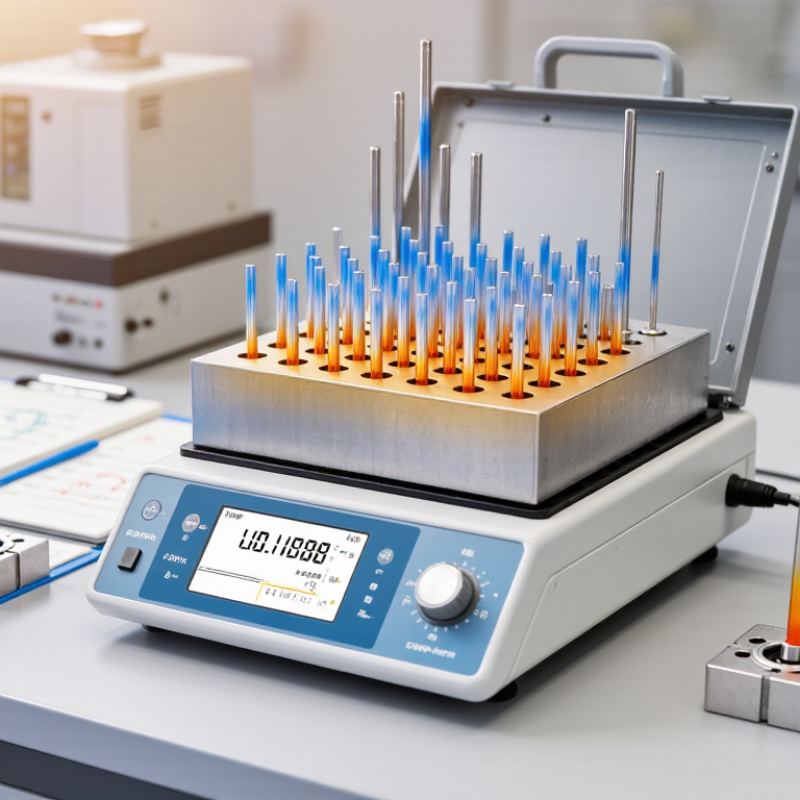
A Block Calibrator is a portable instrument used to check and calibrate temperature probes and sensors. It heats or cools a metal block to a selected temperature, creating a stable environment for comparison. A probe goes into a close-fitting well, while a calibrated reference thermometer measures the block’s temperature. The difference between the two readings helps a technician assess sensor performance and, when appropriate, make adjustments.

Small details matter. Well depth, probe fit, and stabilization time can all affect results. For example, a loosely fitted probe may respond differently from one inserted fully into a correctly sized well. Technicians often record the setpoint, reference reading, sensor reading, and surrounding conditions. Those records support repeatable work and help maintain traceability when procedures and reference equipment are appropriate. A display showing the target temperature alone is not proof of accuracy.

Block calibrators are used in laboratories, manufacturing, maintenance, and field service. They can provide a practical alternative to liquid baths for many routine checks, with less mess and simpler transport. However, they do not suit every probe shape, temperature range, or accuracy requirement. One part deserves a second look: the calibrator’s stated stability and uniformity are not the same as its total measurement uncertainty. Choosing a suitable model means checking its specifications against the sensor and procedure being tested. That step can be overlooked, even by experienced users. Used carefully, a Block Calibrator makes temperature checks more controlled, documented, and repeatable.
What Is a Block Calibrator Used For?

What a Block Calibrator Is

A block calibrator is a portable instrument that heats or cools a metal insert to a controlled temperature. The insert has wells for temperature probes. Place a probe inside, allow it to stabilize, then compare its reading with a calibrated reference thermometer. It provides a practical way to check sensors on a workbench without a liquid bath. The displayed setpoint is not proof of the probe’s accuracy; the comparison matters.

EURAMET Calibration Guide No. 13 identifies four important influences on dry-block calibration: temperature stability, axial uniformity, radial uniformity, and loading effects. In practical terms, probes at different depths or in neighboring wells may not experience exactly the same temperature. A well-fitted insert and adequate immersion help reduce these differences. Still, results depend on probe design and technique. That part is easy to underestimate.

Tips: Use a reference thermometer with current calibration, let readings settle, and record the insert, well, and immersion depth. Check the block near the temperatures your process actually uses.


How a Block Calibrator Creates a Stable Temperature

A block calibrator creates a stable temperature by heating or cooling a solid metal block around a controlled well. The block’s thermal mass helps resist quick changes from room drafts or a probe being inserted. An internal sensor measures the block temperature, while a controller adjusts the heater or cooling system to keep it near the set point.

In practice, the display may look steady before the entire well reaches equilibrium. Give the unit time to settle. Small details matter. Insert the probe to a consistent depth, and avoid crowding the well with probes of different sizes. Contact between the probe and well can affect heat transfer, so a loose fit may produce a reading that differs from the displayed temperature. A reference thermometer can help check performance at the temperatures and depths you actually use.

The block does not make every probe read exactly alike. Probe design, insertion depth, and temperature gradients can all influence results. I would not treat a stable display alone as proof of accuracy; periodic checks and careful procedure still matter. That takes time. But it makes comparisons more dependable.

Which Instruments a Block Calibrator Can Calibrate

What Is a Block Calibrator Used For?

Which Instruments a Block Calibrator Can Calibrate

A block calibrator provides a stable temperature source for checking contact temperature instruments. Technicians commonly use one with RTD probes, thermocouples, and digital thermometers. Insert the probe into a correctly sized well, set the target temperature, and compare its reading with a trusted reference. A small display difference can matter in a process that needs close temperature control.

It can also help check temperature transmitters, indicators, and switches when their sensing probes fit the block. For a transmitter, the sensor usually needs to be tested as part of the measurement loop; the calibrator does not automatically adjust the instrument. Results depend on immersion depth, probe fit, and allowing enough time for the temperature to stabilize. Even careful setups can leave uncertainty.

Tips: Use a well that fits the probe closely, and keep the sensing tip fully immersed. Check more than one temperature point when the instrument’s operating range requires it. Infrared thermometers are different: a contact block does not directly verify their surface readings.

Where Block Calibrators Are Commonly Used

Block calibrators are commonly used in calibration laboratories, production lines, and maintenance workshops to check temperature sensors. A heated metal block holds probes in precision wells at a controlled temperature. Technicians compare each sensor’s reading with a calibrated reference thermometer, often at several points across its working range. This can reveal drift in environmental chambers, industrial ovens, packaging equipment, and food-processing systems. Probe diameter, insertion depth, and contact with the well can affect results. A rushed check may look convincing but still miss these details.

Tips: Choose a well that fits the probe closely, insert it to the recommended depth, and wait for readings to stabilize. Small details matter. Record the block temperature and reference reading together.

Portable models are also used during onsite maintenance, when removing equipment for laboratory testing would interrupt work. Technicians may check temperature probes near a production line or inside a service area. The results are useful, but a block calibrator does not automatically confirm the accuracy of an entire measurement system. Reference instrument status, temperature stability, and documented procedure all matter. I would not treat one matching reading as proof across the full operating range.

How to Choose and Use a Block Calibrator

A block calibrator creates a stable temperature around a probe so its reading can be checked against a reference thermometer. Choosing one starts with the temperatures you actually use, not the widest range on a specification sheet. Check that the range covers your process, and confirm the display resolution and stated stability suit the tolerance you need. The insert matters. Its well diameter should fit the probe closely, while its depth should allow the sensing tip to sit fully inside the heated zone. A loose fit can slow equilibration and affect results. It is an easy detail to overlook.

Before use, inspect the well and probe for dust, residue, or damage. Set the target temperature, allow the unit to stabilize, then insert the probe to the required depth. Wait for the reading to settle; a changing display is not a reliable comparison. Compare it with a suitable reference thermometer and record the set point, readings, ambient conditions, and any correction. Follow the calibrator’s operating instructions, since insertion depth and stabilization time vary by design. Do not assume the displayed set point is the true temperature. For tighter tolerances, consider the measurement uncertainty and arrange traceable calibration at suitable intervals. One practical check is to repeat a point after removing and reinserting the probe; inconsistent results may reveal poor contact or rushed technique.

What Is a Block Calibrator Used For? - How to Choose and Use a Block Calibrator

Topic What It Does What to Check Practical Guidance
Temperature probe calibration A block calibrator heats or cools a metal insert to a controlled temperature so a temperature probe can be checked against a reference thermometer. Temperature range, stability, display resolution, and stated accuracy or uniformity specifications. Use a suitable reference thermometer alongside the probe being tested. The block’s set-point display alone does not establish the probe’s measurement error.
Routine verification It helps users compare a probe’s reading with a known reference temperature at selected test points. Required tolerance, working temperature points, and the uncertainty needed for the application. Choose test points that cover the temperatures important to the process. Record the reference reading, test-probe reading, and any observed deviation.
Dry-block operation A dry block transfers heat through a solid metal insert rather than using a liquid bath. Insert-hole diameter and depth, probe fit, and whether the insert can be changed for different probe sizes. Use a hole that fits the probe closely without forcing it. Poor contact or an insertion depth that differs from the probe’s sensing area can affect results.
Temperature range The available range determines which low, ambient, or elevated temperatures the instrument can produce. Confirm that the operating range covers the intended test points, including any ambient-temperature or cooling limitations. Do not assume every block calibrator covers both heating and cooling. Check the manufacturer’s specifications for the exact model and insert.
Stability and uniformity Stability describes how consistently the block holds temperature over time; uniformity describes temperature differences within the insert. Specification values at the temperatures and conditions relevant to your work. Allow the block to reach its specified stability before taking readings. Insert depth, hole selection, and probe fit can influence the temperature seen by a sensor.
Choosing an insert Interchangeable inserts let one calibrator accommodate probes with different diameters. Hole size, hole count, insert material, and compatibility with the calibrator. Use the correct insert for the probe. Avoid leaving unused holes open when the instrument’s instructions recommend plugs, as this can affect performance.
Using the calibrator The instrument controls the block temperature while the reference and test probe are positioned in the insert. Warm-up time, insertion depth, stabilization criteria, and the instrument’s operating instructions. Place the reference and test probe in comparable positions, wait for readings to stabilize, and follow safe handling procedures for hot or cold inserts.
Calibration records Documented results make checks repeatable and support quality-system or maintenance records. Instrument identification, reference thermometer status, test points, readings, date, and acceptance limits. Keep the results and the applicable procedure together. A block calibrator’s own calibration status and the reference thermometer’s traceability may both matter.
Choosing for field or bench use Portable units are suited to on-site checks; larger units may offer additional capacity or features for stationary work. Weight, power requirements, display and control features, insert availability, and environmental operating limits. Match portability and accessories to the work location, while selecting performance specifications based on the required measurement tolerance.
Important limitation A block calibrator provides a controlled temperature environment; it does not automatically correct or adjust the connected probe. Whether the task is a verification, an adjustment, or a formal calibration under a defined procedure. Use an appropriate procedure and reference standard. If results must be traceable or meet regulated requirements, follow the applicable quality and calibration requirements.
100% Mercury Free

100% Mercury Free

All of Hapco's formulations are completely free of Mercury.

50 Year Track Record

50 Year Track Record

Hapco has been in business for over 50 years!

ISO Certified

Higher Quality. More Efficiency. View Certificate

Technical Expertise

Hapco's employees are knowledgeable and ready to help.

Join Our Mailing List

Get the latest news, updates, and articles from Hapco, Inc.

Join Now