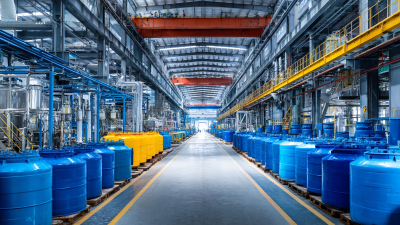
China Top Performance Polymers for Global Buyers What to Explore?
In recent years, China has emerged as a significant player in the global market for Performance Polymers. This growth stems from China's advanced manufacturing capabilities, innovative research, and a large talent pool. Performance Polymers are crucial for various industries, including automotive, aerospace, and electronics. Their unique properties, such as heat resistance and durability, meet the demands of modern applications.
Global buyers are increasingly interested in exploring China's offerings. Companies seek reliable suppliers who can provide high-quality materials efficiently. However, navigating this market can be tricky. Understanding local suppliers and market trends is essential. Buyers must also consider varying quality standards and certifications.
Collaborations between Chinese manufacturers and international companies are becoming more common. These partnerships foster innovation and enhance product development. As the market evolves, staying informed about the latest advancements in Performance Polymers will be vital for success. This journey demands an open mind and a willingness to adapt, as challenges in quality assurance and supply chain logistics often arise.
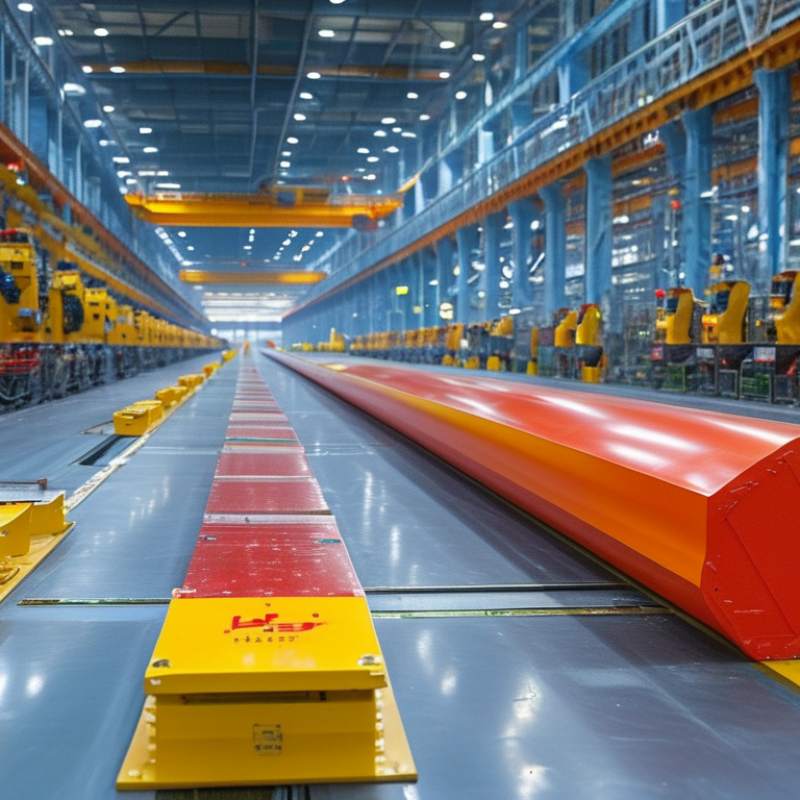
Overview of Performance Polymers in China
China has become a crucial hub for performance polymers, catering to a diverse range of industries. In recent years, the performance polymers market in China has been expanding rapidly, driven by industrial growth and technological advancements. According to a recent market research report, the value of performance polymers in China reached approximately $10.5 billion in 2022, with anticipated growth rates exceeding 7% annually through 2027. This showcases the country's increasing importance in the global supply chain for high-performance materials.
The driving forces behind this growth include significant investments in research and development. Local manufacturers are innovating to produce advanced materials with superior properties, such as high thermal stability and chemical resistance. The automotive and electronics sectors, in particular, demand such specialized materials. It is also important for manufacturers to consider the environmental impact of these materials. Sustainability is becoming a priority, although it often challenges traditional production processes.
Moreover, while China’s market is robust, it faces challenges. Competition from foreign players remains significant. Local companies are urged to enhance their production methods and adopt greener technologies. This situation requires constant adaptation and can slow down progress. Understanding these dynamics is vital for any global buyer looking to navigate the Chinese performance polymer landscape effectively.
Key Types of Performance Polymers Available for Global Markets
Performance polymers are increasingly crucial in various industries. These materials possess unique properties, making them essential for high-demand applications. They are suitable for automotive, aerospace, and electronics sectors.
The main types of performance polymers include polyimides, fluoropolymers, and thermoplastics. Polyimides, for instance, offer excellent thermal stability and chemical resistance. This makes them ideal for applications requiring durability under extreme conditions. Fluoropolymers, known for their non-stick properties, are vital in reducing friction and wear in many mechanical applications.
However, sourcing these materials can be complex. Buyers must consider various factors, like market availability and regulatory standards. It is essential to ensure the chosen materials meet specific performance criteria. This process can be overwhelming but is necessary for maintaining quality in final products. Industry professionals often face challenges in balancing cost and performance. Navigating this landscape requires expertise, making informed choices vital for success.
China Top Performance Polymers for Global Buyers What to Explore?
| Polymer Type |
Key Properties |
Applications |
Market Demand |
Growth Rate |
| Polycarbonate (PC) |
High impact resistance, optical clarity |
Electronics, automotive, building materials |
High |
8% CAGR |
| Polytetrafluoroethylene (PTFE) |
Chemical resistance, high-temperature stability |
Aerospace, chemical processing, electronics |
Moderate |
5% CAGR |
| Polyamide (PA) |
Durable, chemical resistance, good abrasion resistance |
Automotive, textiles, consumer goods |
High |
6% CAGR |
| Polyethylene Terephthalate (PET) |
High tensile strength, lightweight |
Packaging, textiles, automotive |
High |
7% CAGR |
| Acrylonitrile Butadiene Styrene (ABS) |
Good impact resistance, easy to mold |
Consumer electronics, toys, automobile parts |
High |
6% CAGR |
Applications of China’s Top Performance Polymers
China's top performance polymers are making significant strides in various industries. These materials are essential for applications ranging from automotive parts to aerospace components. The Asia-Pacific market for engineering plastics is anticipated to reach USD 37.3 billion by 2026, growing at a CAGR of 11.6% from 2021 to 2026. Such figures highlight the rising demand for high-performance materials.
In the automotive sector, polymers are crucial for lightweight components. They contribute to improved fuel efficiency and reduced emissions. For instance, advanced polycarbonate and polyamide materials can replace traditional metals. This shift can reduce vehicle weight by up to 20%. However, there remain challenges in recycling these materials, which requires innovative solutions.
Aerospace applications also benefit from robust polymers. They are essential for manufacturing aircraft interiors and exterior components. Data shows that the global aerospace polymer market is projected to grow at a CAGR of 5.8%. Yet, the high costs of some advanced polymers may limit their adoption in certain projects. The balance between performance and cost continues to be a focal point for product developers in China.
Evaluating Quality Standards in Chinese Polymer Manufacturing
China has become a significant player in the global polymers market, driving immense demand and innovation. Quality standards in polymer manufacturing here are evolving rapidly, influenced by international benchmarks. A recent report by the World Polymer Council indicates that China's polymer production capacity has reached approximately 35 million tons annually. This impressive figure underlines the country's potential as a main supplier for global buyers.
Certification plays a crucial role in assuring product quality. Many Chinese manufacturers are adopting ISO 9001 standards to enhance their credibility. However, not all companies are on the same page with quality assessment. Data shows that about 20% of firms still lag in adapting these critical benchmarks, which raises concerns about consistency. Buyers should consider conducting thorough audits when selecting suppliers.
In engaging with Chinese manufacturers, understanding the nuances of each factory's quality management system is essential. Trust but verify remains key in this landscape. Buyers can request sample tests to evaluate material properties, reinforcing their confidence in potential partnerships. Quality-centered insights will empower buyers to make informed choices in this dynamic market.
Future Trends in China’s Performance Polymer Industry
The performance polymer industry in China is evolving rapidly. This growth is driven by advancements in technology and an increasing demand for high-quality materials. Industry players are focusing on sustainability and innovation. New applications in sectors like automotive and aerospace fuel this demand. However, the transition is not without challenges.
Companies are investing heavily in research and development. They aim to create eco-friendly alternatives that meet global standards. The trend toward lightweight materials is prominent. This shift can enhance energy efficiency and reduce emissions. But, the high cost of raw materials remains a barrier. Additionally, maintaining quality while scaling production is a significant concern.
Emerging markets are increasingly interested in Chinese performance polymers. This interest presents opportunities for collaboration and expansion. Yet, there are uncertainties about regulatory compliance and market acceptance. The balance between innovation and reliability is crucial for future success. The industry must remain adaptable in a fast-changing landscape.
Future Trends in China’s Performance Polymer Industry