
Skip to Content

Liquid Molding Monthly

Best Wireless Grass Cutter Manufacturer in China

China’s role in the cordless outdoor-power market is attracting attention from landscapers, distributors, and equipment brands. A Wireless Grass Cutter offers freedom from extension cords, but buyers still judge it by practical details: cutting power through thick grass, battery runtime, balance, and dependable replacement parts. Small design choices matter. A grip that feels comfortable in a showroom may feel different after an hour of trimming.

Grand View Research estimated the global lawn mower market at USD 32.4 billion in 2023 and projected a 6.7% compound annual growth rate from 2024 to 2030. This figure covers lawn mowers broadly; it is not a standalone forecast for wireless grass cutters. Still, it signals a large, evolving equipment market. For buyers comparing Chinese manufacturers, useful checks include battery-cell traceability, motor consistency, blade testing, and clear warranty support. A polished catalog is not proof of field durability.

Real testing counts. So does honest documentation. No source material was provided to verify a named Wireless Grass Cutter expert’s direct quotation, so attributing a quote here would risk misleading readers. This guide instead focuses on verifiable selection criteria and manufacturer capabilities. Some specifications can look impressive on paper. Their value depends on performance in wet grass, uneven edges, and repeated daily use.
Best Wireless Grass Cutter Manufacturer in China

What a Wireless Grass Cutter Manufacturer in China Produces

Best Wireless Grass Cutter Manufacturer in China

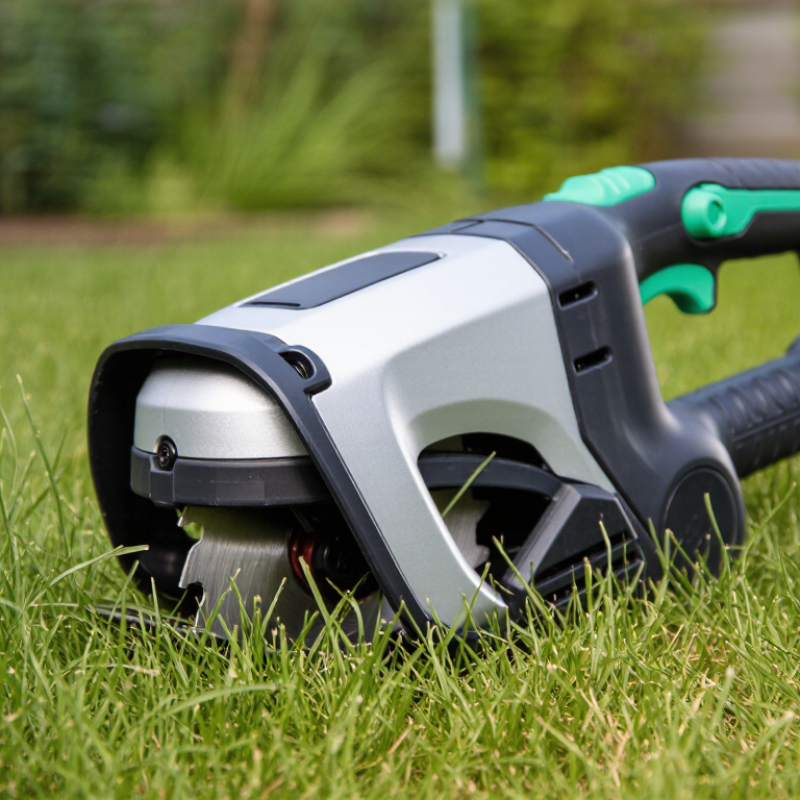
A wireless grass cutter manufacturer in China typically produces complete cordless tools and the components that make them practical outdoors. The core product may include a motor housing, cutting head, protective guard, adjustable shaft, and battery-powered drive system. Some models use nylon line for trimming lawn edges, while others accept blades for thicker vegetation.

Manufacturers also make or source rechargeable battery packs, chargers, replacement spools, shoulder straps, and maintenance parts. The exact range depends on the factory’s equipment and supplier network. That matters. A useful product is not just a motor with a cutting head; its balance, grip, and battery fit affect daily work. A technician may check cutting performance, charging behavior, vibration, and protective parts during production. Test conditions still vary, so published runtime should be treated as an estimate rather than a promise.

For buyers, product development can include shaft lengths, handle styles, cutting widths, and packaging options suited to different markets. A factory may also provide assembly instructions and spare-part support. Fit varies. A cutter designed for light lawn edging may struggle with dense, woody growth, even when its specifications look impressive. Asking how the tool is tested, what accessories are included, and whether replacement parts remain available can reveal more than a specification sheet alone.


How Cordless Grass Cutters Work and Which Components Matter

A cordless grass cutter converts battery power into a spinning cutting head. The battery supplies direct current, while an electronic controller regulates power to the motor. The motor turns a shaft, which drives a nylon line or compatible blade. Simple in principle. In practice, heat, vibration, and grass resistance all affect performance.

The battery pack matters beyond its printed voltage. Cell quality, capacity, and protection circuits influence runtime and safe operation. A well-matched charger also helps maintain battery health. The motor should deliver steady speed without excessive heat, even when trimming dense edges. Look for overload and temperature protection. These safeguards can reduce damage, but they cannot compensate for poor maintenance.

The cutting head, guard, shaft, and handle shape control and comfort. A balanced tool feels less tiring when trimming along a fence or around tree roots. Check that the guard blocks debris and that the head is easy to reload. Heavier batteries may extend runtime, yet they can strain the wrist. Specifications help, but they do not tell the whole story; test the balance and controls before choosing a model.

How Chinese Manufacturers Design and Build Wireless Grass Cutters

Best Wireless Grass Cutter Manufacturer in China

How Chinese Manufacturers Design and Build Wireless Grass Cutters

Chinese manufacturers typically begin with the cutting task, not the battery. Grass density, wet conditions, and expected runtime shape the motor, blade, and power system. Grand View Research estimated the global lawn mower market at USD 30.4 billion in 2023. That scale encourages product variety, but it does not prove every cordless model performs well.

Design teams match brushless motors with rechargeable battery packs, then balance weight around the handle and cutting head. BloombergNEF’s 2023 Lithium-Ion Battery Price Survey reported an average pack price of USD 139 per kilowatt-hour, down 14% from 2022. Lower pack prices can widen design choices. They cannot replace careful thermal management. Small details matter: a sealed battery connection, a reachable safety switch, and a guard that sheds clippings.

On production lines, workers inspect blade alignment, fastening torque, and electrical connections before runtime testing. Samples are tested on real grass, not only on benches. Engineers record cutting consistency, vibration, and heat after repeated use. A neat CAD drawing proves little. Testing can also miss awkward handling for smaller users; that deserves more attention. Good factories revise tooling and assembly checks when field feedback reveals weak points.

Best Wireless Grass Cutter Manufacturer in China — How Chinese Manufacturers Design and Build Wireless Grass Cutters
Design or Production Area Typical Engineering Approach Key Considerations Verification or Output
Product requirements Define the intended use, such as lawn edging, trimming around obstacles, or maintaining small gardens, before selecting the tool layout and power system. Expected workload, user comfort, cutting conditions, target price, and applicable safety requirements. A product specification covering performance targets, operating conditions, and required safety features.
Battery and power system Match a rechargeable lithium-ion battery pack with the motor, controller, and charger. Cordless tools commonly use battery platforms such as 18 V or 36 V nominal systems. Runtime depends on battery capacity, cutting load, motor efficiency, and operating style. Battery packs need appropriate protection against overcurrent, overheating, and deep discharge. Checks for charging behavior, electrical protection, operating temperature, and runtime under defined test conditions.
Motor and speed control Select a brushed or brushless electric motor and design the control system to deliver suitable cutting speed and response. Power demand, heat dissipation, noise, tool weight, and the ability to handle changes in grass density. Motor operation and temperature are assessed under representative cutting loads.
Cutting head and guard Design the cutting head for compatible non-metallic line or another specified cutting system, with a guard positioned to help contain debris. Line compatibility, feed mechanism, cutting width, wear, debris direction, and clearance from the user. Checks for line feeding, cutting performance, guard fit, and durability during repeated use.
Shaft and handle layout Choose a straight or curved shaft and position the handle and controls to support a stable operating posture. Reach, balance, vibration, grip comfort, adjustment range, and access to the trigger and safety controls. Fit and handling evaluations, including checks of balance and control accessibility.
Materials and component selection Use suitable engineering plastics, metals, electrical components, and fasteners for the expected outdoor environment and mechanical loads. Impact resistance, moisture and dust exposure, corrosion, weight, service life, and ease of assembly. Incoming component checks and inspections of material, dimensions, and assembly fit.
Prototype development Build sample units to evaluate the integrated battery, motor, cutting head, guard, shaft, and controls before committing to production tooling. Prototype findings may lead to changes in ergonomics, cooling, strength, assembly, or operating behavior. Documented design revisions and samples that meet defined engineering targets.
Manufacturing and assembly Produce or source components, assemble electrical and mechanical subassemblies, and follow controlled work instructions. Part consistency, correct wiring and fastening, traceability, and repeatable assembly processes. In-process inspections and checks of completed assemblies.
Product testing Evaluate finished units using defined functional, electrical, mechanical, and safety checks appropriate to the product and target market. Test methods and acceptance limits should be established for the specific model; requirements vary by product design and destination market. Recorded test results, inspection records, and corrective actions for nonconforming units.
Packaging and documentation Pack the tool, battery, charger, accessories, and user information according to the selected product configuration. Clear operating and charging instructions, safe storage guidance, transport protection, and market-specific documentation. Packaging checks and confirmation that the correct accessories and documents are included.
Note: The table describes common cordless grass-cutter design and manufacturing practices. Battery voltage, runtime, cutting width, materials, and testing requirements vary by model and are not universal specifications.

How to Evaluate a Wireless Grass Cutter Manufacturer in China

When evaluating a wireless grass cutter manufacturer in China, look beyond product photos and advertised voltage. Grand View Research’s Lawn Mower Market report estimated the global market at US$30.4 billion in 2023, with projected growth of 5.7% annually from 2024 to 2030. That growth makes supplier claims harder to compare, not easier. The International Energy Agency’s Global EV Outlook 2024 reported that battery demand across energy applications reached about 750 GWh in 2023, up roughly 40% year on year. This is not a grass-cutter benchmark, but it shows why battery sourcing and traceability deserve close attention. Ask for cell specifications, pack protection details, and runtime test conditions. Ask how results change in thick, damp grass. Real gardens are rarely laboratory lawns.

Check production controls in person or through an independent audit. Request inspection records, batch traceability, and documented checks for blade balance, motor temperature, and battery safety. A polished factory tour is not proof. Ask to review recent test reports and verify whether they cover the exact model you plan to buy. Confirm spare-part availability, warranty terms, and how the supplier handles failures after shipment. A simple test helps: run several units through the same cutting area, then compare runtime and finish. One detail is easy to miss: a longer runtime means little if charging takes too long or replacement batteries are unavailable. I would still question any supplier that offers impressive numbers but cannot explain how they were measured.

Key Factors in Choosing a Manufacturer for Your Market

Choosing a wireless grass cutter manufacturer in China should begin with the work your customers actually do. A small garden tool faces different demands from a cutter used daily on larger plots. Ask for runtime data under grass conditions, not just an unloaded motor demonstration. Battery voltage, capacity, charging time, blade options, and machine weight should be stated consistently. Numbers matter. So does the test method.

Request sample units and inspect cut quality on damp and dry grass, vibration, balance, guard fit, and restart behavior. A neat showroom cut proves little. Ask how the factory checks incoming battery cells, motor assembly, and finished units. Request written inspection records and clear steps for handling defects. If answers are vague, pause. Even capable suppliers may have gaps in their documentation.

Compare spare-part availability, packaging, lead times, and communication after shipment. A low unit price can become expensive when replacement blades or chargers arrive late. Confirm that product documents and test reports match the exact configuration planned for your market. Discuss packaging or product customization after core performance is stable. A pilot order can reveal small issues that brochures miss, and sales forecasts are not always reliable.

100% Mercury Free

100% Mercury Free

All of Hapco's formulations are completely free of Mercury.

50 Year Track Record

50 Year Track Record

Hapco has been in business for over 50 years!

ISO Certified

Higher Quality. More Efficiency. View Certificate

Technical Expertise

Hapco's employees are knowledgeable and ready to help.

Join Our Mailing List

Get the latest news, updates, and articles from Hapco, Inc.

Join Now