Skip to Content

Liquid Molding Monthly

China Top 10 Bio Sanitizer Tablets Suppliers

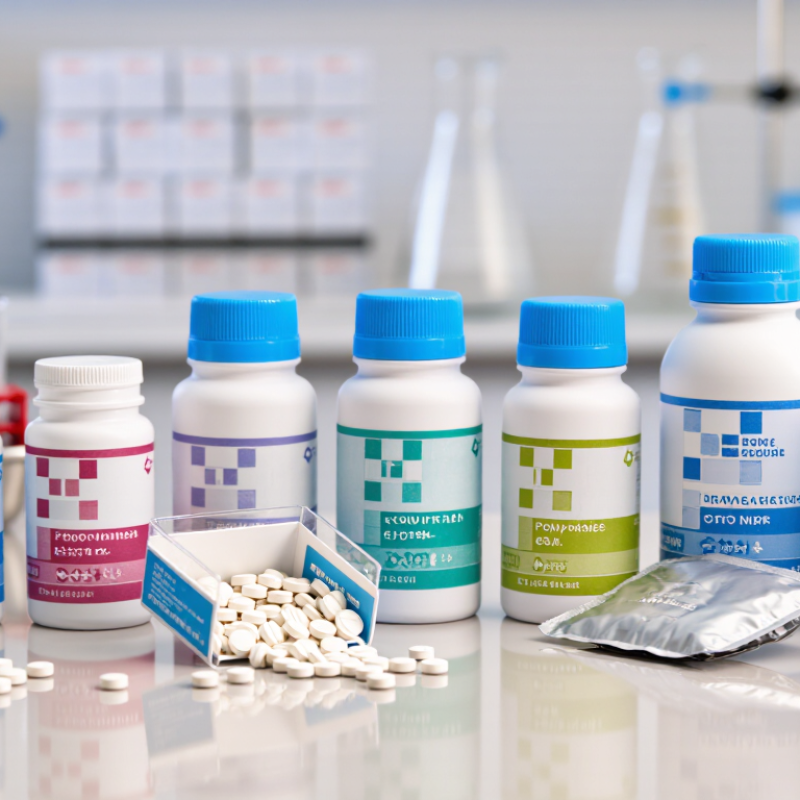
China’s Bio Sanitizer Tablets market attracts buyers seeking compact formats, simpler storage, and predictable dosing. Yet a polished catalog does not prove product performance. Buyers should compare intended applications, active ingredients, dosage instructions, dissolution time, packaging, and shelf-life documentation. Small details matter. A tablet that dissolves unevenly can complicate routine use.

Environmental microbiologist Dr. Charles Gerba has emphasized a practical principle: sanitation products depend on correct, consistent use to deliver their intended value. This is a paraphrase, not a direct quotation. It offers a useful lens for evaluating suppliers. Ask for test methods, product specifications, quality-control records, and clear directions. Check whether the evidence matches the tablet’s stated use. Do not rely on broad claims alone.

This guide introduces ten China-based Bio Sanitizer Tablets suppliers for initial comparison. It considers product range, manufacturing information, documentation, customization, and communication—not just price. Supplier rankings can be imperfect. Public information changes, and a promising website cannot replace technical review or sample evaluation. That part takes time. Before purchasing, confirm specifications directly and assess whether the supplier can provide consistent records and responsive support. Careful checks may feel slow, but they help buyers distinguish a credible partner from a convincing presentation.
China Top 10 Bio Sanitizer Tablets Suppliers

Understanding Bio Sanitizer Tablets and Their Applications

Bio sanitizer tablets are compact, water-soluble products made for specific hygiene or biological-maintenance tasks. Their ingredients vary: some release disinfecting agents, while others contain enzymes or selected microorganisms that help break down organic residue. The distinction matters. A biological cleaner may reduce odors in drains or wastewater systems, but it should not automatically be assumed to kill harmful germs.

Common applications include drain and grease-trap maintenance, septic systems, portable sanitation, and some process-water settings. Operators may dissolve or place a tablet at a measured point, then allow the recommended contact time. Check the label for dosage, temperature limits, and compatibility with other cleaning products. More is not always better.

For kitchens, clinics, and other high-risk surfaces, choose a product specifically tested for the required disinfection task; biological tablets alone may not be suitable. Keep tablets dry and record batch and usage details. Persistent odor or residue can be a useful warning, though neither proves a safety problem. When comparing suppliers, review ingredient information, stability data, test reports, and instructions. Claims can sound convincing. A small, controlled trial may still be wise before wider use.

How China’s Bio Sanitizer Tablet Supply Market Works

China’s bio sanitizer tablet supply market is built around coordinated sourcing, formulation, tableting, testing, and packaging. Suppliers may purchase active ingredients from one source and use separate facilities for compression and packing. Buyers should check ingredient specifications, tablet weight, dissolution time, active-content test methods, and batch records. The term “bio” alone is not a technical specification.

Quality can hinge on small details. Humidity during storage may affect tablet strength or dissolution, so moisture-barrier packaging and clear storage conditions matter. Ask for representative batch test results and confirm that the stated tests match the product’s intended use. China-specific output figures for this product category are not consistently reported, so broad market-size claims deserve caution.

Demand context is not the same as tablet sales data. WHO and UNICEF’s 2019 WASH in Health Care Facilities baseline found that about one in six facilities lacked basic hygiene services. WHO’s 2022 Global Report on Infection Prevention and Control reported that only 15.2% of countries met all assessed minimum requirements for national IPC programmes. These findings indicate persistent hygiene-system gaps, but they do not prove demand for any particular tablet formulation. A remaining weakness in procurement is uneven disclosure: buyers may receive polished brochures but limited evidence on testing conditions and storage stability.

Profiles of 10 Leading Bio Sanitizer Tablet Suppliers in China

China’s bio sanitizer tablet suppliers vary in formulation, packaging, and technical support.

Supplier 1 focuses on water-soluble tablets for routine surface cleaning.
Supplier 2 offers compact formats suited to hospitality teams.
Supplier 3 emphasizes controlled tablet weight and batch records.
Supplier 4 provides bulk packaging for institutional buyers.
Supplier 5 develops options for food-contact areas, with use directions that require careful review.
Supplier 6 specializes in low-residue formulations.
Supplier 7 supports private-label production, subject to buyer specifications.
Supplier 8 highlights export documentation and product traceability.
Supplier 9 offers smaller trial orders for evaluation.
Supplier 10 combines tablet production with application guidance.

These are practical supplier profiles, not verified rankings; confirm each company’s capabilities directly.

Useful comparisons go beyond price. Ask for current safety data sheets, ingredient details, storage conditions, and independent test reports where available. Check whether instructions specify dilution, contact time, and compatible surfaces.

A tablet can look simple. Its performance still depends on water quality and correct use. Some supplier pages may leave important details unclear, so request written answers before placing a large order.

Tips: Test a sample on the intended surface, and record dissolution time and residue. Compare batches under the same conditions. Keep claims modest until documentation supports them.

Comparing Supplier Products, Certifications, and Capabilities

When comparing China’s bio sanitizer tablet suppliers, examine more than active-ingredient percentages. Request batch-specific certificates of analysis, dissolution results, shelf-life data, and clear dosage instructions. A tablet that dissolves slowly in a cold bucket may leave staff guessing about concentration and contact time. Small details matter.

The WHO’s 2022 Global Report on Infection Prevention and Control estimates that 7 in 100 patients in high-income acute-care hospitals, and 15 in 100 in low- and middle-income hospitals, acquire at least one healthcare-associated infection. This is not proof that any tablet prevents infection; it shows why reliable use and verification matter.

Compare suppliers’ test methods, production controls, and quality-system records, such as ISO 9001 certification, while checking that claims match the intended application. Ask for independent efficacy reports against named organisms and stated contact times. Also review packaging moisture protection, export documentation, and technical response times. A certificate alone is not enough. A useful supplier should explain how it handles rejected batches and formulation changes. One weakness in many comparisons is that samples are tested, but routine production is not. Ask how consistency is monitored after scale-up.

How to Evaluate and Select a Chinese Supplier

When evaluating Chinese bio sanitizer tablet suppliers, look beyond product photos and export experience. Request a current specification sheet showing active ingredients, tablet weight, dissolution time, and intended use. Ask how each production lot is tested and how long records are retained. Small details matter.

Request samples from more than one production batch. Compare tablet size, packaging seals, and dissolution in water under the stated conditions. Results can vary with temperature and water quality, so record the test setup. Ask for test reports and verify the issuing laboratory where practical. A neat certificate alone is not enough. Check whether labels, safety documents, and shipping paperwork match the product and destination requirements.

Visit the factory if feasible, or arrange a qualified third-party audit. Look for controlled storage, calibrated weighing equipment, and clear separation of materials. Ask how the supplier handles complaints, rejected batches, and formula changes. It is tempting to choose the lowest quotation; that can be a poor shortcut. Compare minimum order quantities, lead times, payment terms, and replacement policies in writing. Some answers may remain incomplete. Treat that as a reason to ask more, not as proof of misconduct.

100% Mercury Free

100% Mercury Free

All of Hapco's formulations are completely free of Mercury.
50 Year Track Record

50 Year Track Record

Hapco has been in business for over 50 years!
ISO Certified

Higher Quality. More Efficiency. View Certificate

Technical Expertise

Hapco's employees are knowledgeable and ready to help.

Join Our Mailing List

Get the latest news, updates, and articles from Hapco, Inc.

Join Now