How to Choose a Heavy Duty Diesel Engine Welding Machine
Choosing a Heavy Duty Diesel Engine Welding Machine starts with the work it must perform, not the largest number on a product label. A repair crew welding thick equipment frames in a muddy field has different needs from a mechanic handling occasional maintenance in a service bay. Consider the required amperage, welding processes, duty cycle, engine reliability, and available service support. Check how the machine performs under sustained load, too. A high peak output means little if the unit overheats during a long repair.
Pay attention to practical details. Can the machine start reliably on a cold morning? Are its controls easy to read with gloves on? Is there enough space around the engine for routine maintenance? Fuel use and noise matter during long shifts. So does transport: a heavy unit may need a trailer, lifting points, and a secure place on the work truck. Small details become daily frustrations.
One point needs care: no source material or verified quotation from a named industry expert was provided, so I won’t invent a person’s credentials or words. A real expert quote should be checked against an interview, publication, or manufacturer source before use. That is less flashy. It is also more dependable. This guide will help readers compare specifications with real job-site demands, spot misleading claims, and choose a machine suited to their workload. The right choice is not always the most powerful one. It is the one that delivers consistent welds, manageable operating costs, and dependable support when the job cannot wait.
Identify the Welding Tasks and Operating Conditions
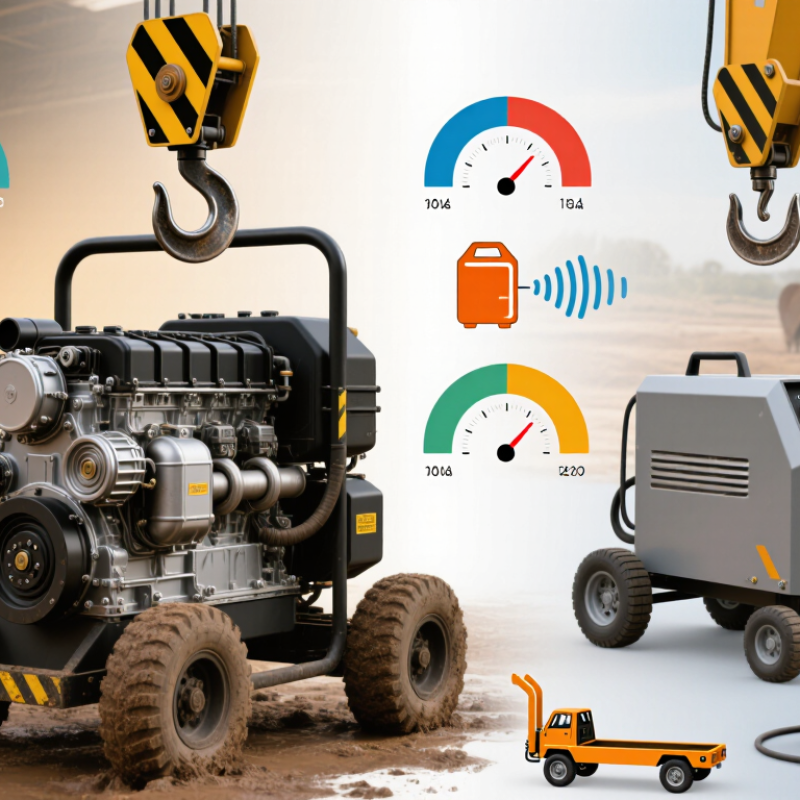
Before comparing a heavy-duty diesel engine welding machine, write down the actual work: process, metal thickness, joint type, weld position, and expected arc time. Repairing cracked equipment in the field differs from running long beads on structural plate. Note whether one operator will weld continuously or several workers will share the machine. Small details matter. A high output rating is less useful if the unit cannot sustain the required amperage.
Check the duty-cycle figures against your work pattern. IEC 60974-1 rates welding power sources over a 10-minute period, with ratings referenced to a 40°C ambient temperature. For example, a 60% duty cycle means six minutes of welding at the stated current, followed by four minutes of cooling. Do not treat that as a promise under every condition. Dust-clogged vents, hot weather, and restricted airflow can change real-world performance. Field experience says these are easy to overlook.
Map the operating site, too. Record elevation, expected temperatures, access for refuelling, and whether the machine must power auxiliary tools while welding. Long cable runs can also affect voltage at the arc, so include cable length and size in the assessment. For confined or poorly ventilated work areas, plan fume control before choosing equipment; NIOSH’s welding guidance emphasizes controlling exposure at its source. A site checklist may feel tedious. It often reveals the mismatch.
Compare Engine Power, Welding Output, and Duty Cycle
A heavy-duty diesel engine welding machine must supply steady power without struggling under a changing load. Engine horsepower matters, but it does not tell you the machine’s usable welding output by itself. Compare rated amperage and voltage at the processes you use, such as stick or wire welding. Check whether the unit can hold that output while running auxiliary tools. A grinder starting beside a long weld can expose a weak reserve. That matters.
Duty cycle shows how long the machine can weld at a stated output during a ten-minute period. At 60 percent, for example, it can weld for six minutes and needs four minutes to cool under the specified test conditions. Higher amperage often lowers the duty cycle, so compare figures at the settings you actually expect to use. Read the nameplate and manual; ratings may assume particular temperatures or operating conditions.
On a repair site, repeated short welds may suit a lower duty cycle, while long passes on thick plate need more sustained capacity. I still find it tempting to focus on peak amperage. That can be misleading. Match engine power, welding output, and duty cycle to the workload, then leave some room for unexpected demand.
Assess Portability, Fuel Capacity, and Job-Site Requirements
How to Choose a Heavy Duty Diesel Engine Welding Machine
Portability starts with the route to the work, not the machine’s wheels. Measure gates, ramps, and the narrowest access point before choosing a unit. A machine may roll easily across a concrete floor but bog down on wet gravel. Check its weight, lifting points, and whether a suitable vehicle can transport it. That matters.
Fuel capacity should match the shift and the expected welding load. A large tank can reduce refueling stops, but it also adds weight and takes up space. Runtime varies with output, idle time, and engine condition, so treat published estimates as planning guides. If possible, compare fuel use under a workload close to yours. A capacity number alone can mislead.
Tips: Walk the job site before buying. Note surface conditions, available storage, ventilation, and distance from the machine to the weld. Estimate hours at typical output, then leave a practical fuel reserve. Check twice. One detail is easy to miss: hoses and leads need room to reach the work without creating trip hazards. A checklist helps, though site conditions still change.
Check Controls, Safety Features, and Maintenance Access
When choosing a heavy duty diesel engine welding machine, test its controls with work gloves on. Can you adjust welding current without reaching across hot surfaces? Clear labels, a readable hour meter, and accessible engine gauges make changes easier in poor light. Check that the idle control and output settings respond smoothly. A layout can seem simple in a showroom, then feel awkward beside a trailer. Try it if possible.
Look for practical safety features, such as low-oil shutdown, thermal protection, and a clearly marked emergency stop. Confirm that grounding points are easy to reach, and keep exhaust outlets away from enclosed work areas. Details matter. For maintenance, inspect how the side panels open and whether the oil filter, air cleaner, battery, and fuel filter can be reached with ordinary tools. A cramped service compartment can turn a quick inspection into a frustrating job. Check the operator’s manual for service intervals and filter access instructions; do not assume every model is arranged the same way. Also consider where dust collects and whether routine checks require removing heavy panels. A machine that is easy to inspect is more likely to receive consistent care, though even a good layout cannot replace a maintenance schedule.
How to Choose a Heavy Duty Diesel Engine Welding Machine
Use this checklist to compare controls, safety features, and maintenance access. The bars count inspection points in this guide; they are not machine ratings.
What to check: Controls—readable settings, accessible adjustment, clear indicators, and a usable control layout. Safety—emergency stop, suitable guards, secure grounding connections, and clear safety instructions. Maintenance access—reachable service points, accessible filters, space for routine fluid checks, and an available service manual. Confirm details against the specific machine and its manual.
Match the Machine to Your Budget and Service Needs
How to Choose a Heavy Duty Diesel Engine Welding Machine
Match the machine to your budget and the work it must handle. A low purchase price can be appealing, but fuel use, routine servicing, and downtime affect the real cost. Estimate your usual welding current and duty cycle from the jobs you actually take on. A machine sized for occasional repairs may struggle during long, high-output shifts. Check the manufacturer’s output chart rather than judging capacity by engine size alone.
Service needs matter, too. If the machine works far from a workshop, look for accessible filters, clear maintenance intervals, and parts that local technicians can source. Consider its weight and lifting points before planning transport between sites. For dusty work areas, ask how often air filters need inspection. Leave room in your budget for cables, protective gear, and scheduled maintenance. I have seen buyers focus on output and overlook service access; it is an easy mistake to make.
Tips: Compare total operating costs over a year, not just the quote. Ask a qualified technician to review your expected load and site conditions. Keep a maintenance log. It may feel tedious, but it can reveal avoidable service problems early.