How to Choose the Best Aliphatic Polyurethane Paint?
Choosing the right Aliphatic Polyurethane Paint can be pivotal for both aesthetics and durability. This type of paint is known for its superior weather resistance and gloss retention. According to a 2022 market report by Grand View Research, the global polyurethane paint market is expected to reach $20 billion by 2027. This growth indicates a rising demand for high-performance coatings in various industries.
Industry experts highlight the significance of selecting the right formulation for specific applications. John Smith, a coatings specialist, states, "The longevity of an Aliphatic Polyurethane Paint hinges not only on its chemical makeup but also on its application environment." His perspective points to a critical factor: an ideal choice isn't merely about the paint’s properties but how it aligns with usage conditions.
Many users overlook essential details when choosing paint. They might focus solely on color and finish, underestimating factors like UV stability and hardness. Each application scenario presents unique challenges that require careful consideration. The best Aliphatic Polyurethane Paint should deliver not just beauty but also long-term performance. Careful evaluation is necessary to avoid future issues.
Understanding Aliphatic Polyurethane Paint and Its Applications
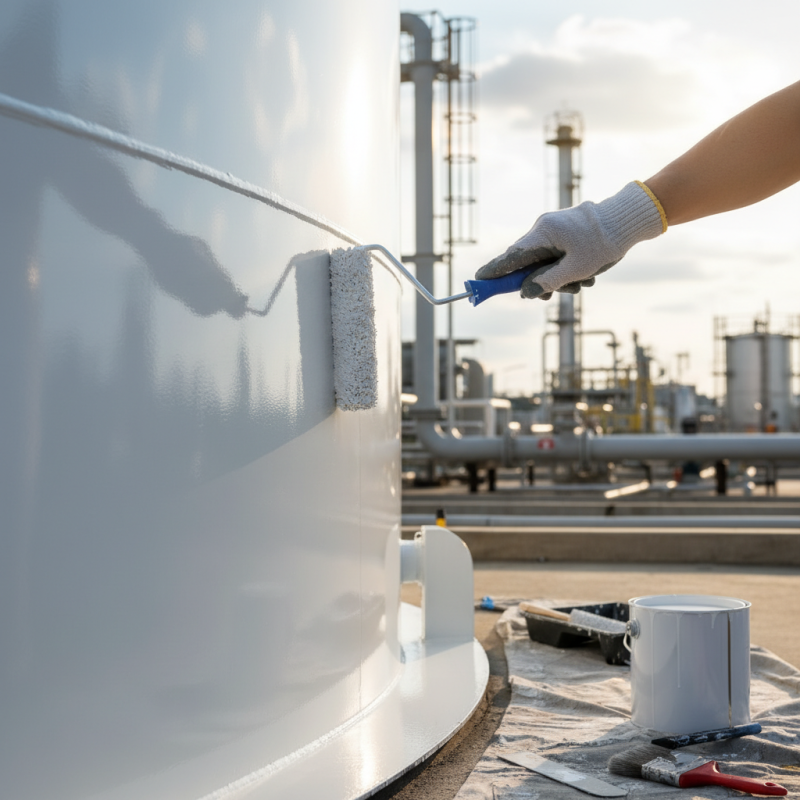
Aliphatic polyurethane paint is a versatile coating known for its durability and aesthetic appeal. This type of paint is commonly used in applications such as automotive finishes, furniture, and industrial equipment. Its unique properties enable it to resist UV light, chemicals, and abrasions, making it ideal for both indoor and outdoor use.
Understanding the specifics of aliphatic polyurethane paint is crucial. The application process can be tricky. Preparing surfaces properly is often overlooked but is vital for achieving desired results. Uneven surfaces or inadequate cleaning can lead to adhesion issues. Moreover, the curing time varies significantly based on environmental factors. Ambient temperature and humidity can impact how the paint dries and bonds with underlying materials.
Users should not overlook the importance of choosing the right products for their specific needs. Different formulations exist, each suited for varied environments. Conducting thorough research helps in making an informed choice. Reading up-to-date articles and guides can enhance one’s understanding. However, personal experience also plays a key role in determining what works best. Testing small areas before full application can save time and materials.
Comparison of Aliphatic Polyurethane Paint Applications
Key Features and Benefits of Aliphatic Polyurethane Paint
Aliphatic polyurethane paint is known for its durability and aesthetic appeal. One key feature is its high resistance to UV light. This resistance helps prevent fading, making it ideal for outdoor applications. When applied to surfaces, it maintains its vibrant color for years. These paints also exhibit excellent abrasion resistance, ideal for high-traffic areas.
Another significant benefit is the versatility in application. It adheres well to a variety of surfaces, ranging from wood to metal. This adaptability makes it a popular choice for both residential and commercial projects. Additionally, it has a low VOC content, which contributes to a healthier indoor environment. However, it can be tricky to apply, requiring a skilled hand to avoid imperfections.
While aliphatic polyurethane paint offers many advantages, it’s important to consider the challenges. Surface preparation is vital for achieving the best results. Any debris or oil can affect adhesion. Understanding the drying time can also be tricky. A rushed application can lead to a less-than-perfect finish. Planning is crucial to ensure a successful application.
Factors to Consider When Choosing Aliphatic Polyurethane Paint
Choosing the right aliphatic polyurethane paint involves several important factors. One key aspect is the intended use of the paint. Will it be for outdoor or indoor applications? The environment greatly influences your choice. Outdoor paints need higher durability and UV resistance. Indoor options might prioritize aesthetic qualities instead.
Another consideration is the finish type. Glossy finishes provide a sleek look and added durability. On the other hand, matte finishes can hide imperfections but may require more maintenance. Furthermore, the drying time of the paint is crucial. Quick-drying products can speed up project timelines but may lack some of the advantages of slower-drying counterparts.
Evaluating the application process is also vital. Some products are easier to apply than others. A roller or brush might work well with some paints, while others require spray application for an even coat. It’s worth testing the paints on small areas first. This helps identify any unexpected challenges. Personal experiences often reveal what works best in various situations. Ultimately, each choice holds trade-offs, and reflection on past projects can guide better decisions.
How to Choose the Best Aliphatic Polyurethane Paint? - Factors to Consider When Choosing Aliphatic Polyurethane Paint
| Factor | Description | Importance Level |
| Durability | The resistance of the paint to wear and damage over time. | High |
| Chemical Resistance | Ability to withstand harsh chemicals without degrading. | Medium |
| UV Stability | Resistance to ultraviolet light, minimizing fading and degradation. | High |
| Application Method | Ways of applying the paint, such as brushing, rolling, or spraying. | Medium |
| Cure Time | Time required for the paint to fully cure and reach maximum durability. | Low |
| Finish Type | Options available, such as gloss, semi-gloss, and matte finishes. | Medium |
| Color Retention | How well the paint maintains its color over time. | High |
| Environmental Considerations | Impact of the paint on the environment, including VOC content. | Medium |
Comparing Different Brands and Types of Aliphatic Polyurethane Paint
Choosing the right aliphatic polyurethane paint involves understanding the variations across different brands and types. Each option provides unique properties, making the decision critical for the desired application. Many brands focus on durability and finish, but specific formulations may vary in flexibility and UV resistance. It’s essential to compare these properties to meet your project needs.
When testing various paints, look for performance in real-world conditions. Consider factors such as adhesion, drying time, and the environment in which the paint will be used. Keep in mind that some paints may perform well in controlled conditions but struggle in outdoor settings. Undertake small application tests to gauge how each paint behaves over time.
Tips for selection: always check technical data sheets. Look for reviews from users who have practical experience with the products. Pay attention to any notes on application methods, as they can impact the final appearance. Finally, take time to reflect on your specific use case. What works for one project may not suit another, highlighting the importance of thoughtful selection.
Tips for Proper Application and Maintenance of Aliphatic Polyurethane Paint
Applying aliphatic polyurethane paint requires careful preparation and technique. Start by ensuring the surface is clean and dry.
Remove any dust or old paint. This helps the new coat adhere better. It’s essential to apply the paint in smooth, even strokes. Use a high-quality brush or roller to avoid streaks. For large areas, consider a spray option for a more uniform finish. Practice on a small section if you are unsure.
Maintenance plays a crucial role in the longevity of your paint job. Regular cleaning is vital to remove dirt and grime. Use gentle cleaners to avoid damaging the finish. Inspect the surface periodically for signs of wear or damage. Small chips or scratches can be touched up easily. Ignoring them may lead to more extensive repairs later.
Always follow the manufacturer's guidelines for care to maintain the integrity of the paint.
Remember to account for environmental conditions. Extreme temperatures or high humidity can affect drying times. Adjust your painting schedule according to weather forecasts. It’s not always perfect, and occasional mishaps can happen. Don’t rush; take your time to ensure a quality finish. Reflect on your methods and learn from each project for better results in the future.