How to Choose the Best Gas Turbine Flow Meter for Your Needs?
Choosing the right Gas Turbine Flow Meter is crucial for achieving accurate measurements in various applications. This decision impacts efficiency, safety, and operational costs. A suitable flow meter must align with specific operational needs and environmental conditions. Expert opinions often emphasize the importance of understanding the unique specifications of gas turbine systems.
When selecting a Gas Turbine Flow Meter, consider factors like accuracy, range, and installation requirements. Different industries have different needs. A power plant may require a different flow meter than an aerospace application. The right choice improves data reliability and minimizes errors.
It's essential to consult with qualified professionals who understand these systems. Relying solely on product brochures can lead to mistakes. The realities of usage may not match initial expectations. Ultimately, the goal is to find a flow meter that meets your expectations and enhances operational performance.
Understanding Gas Turbine Flow Meters and Their Applications
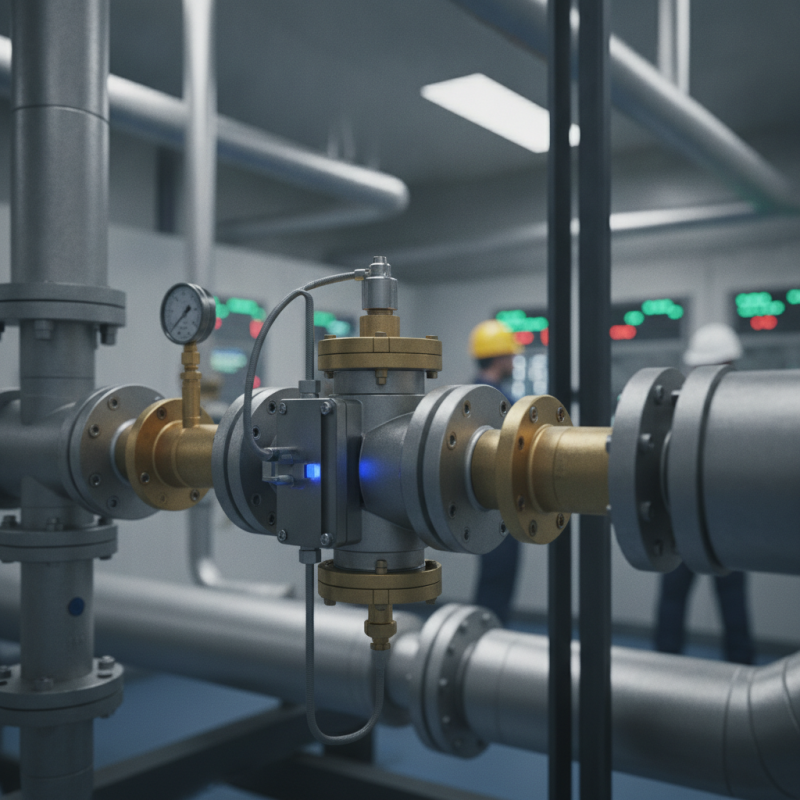
Gas turbine flow meters play a crucial role in various industries. They measure the flow of gases with high accuracy and reliability. These devices are essential in power generation, oil and gas, and chemical processing sectors. According to a recent report by the Global Flow Meter Market, gas turbine flow meters account for nearly 20% of the total flow meter market share. Their precision can significantly enhance operational efficiency.
Applications of gas turbine flow meters are vast. In power plants, these devices help monitor fuel consumption. This ensures optimal performance and lowers costs. Similarly, in the oil and gas sector, they aid in custody transfer, ensuring accurate billing and compliance. However, it’s crucial to select the right meter based on specific needs. Factors like rangeability, fluid properties, and environmental conditions must be considered.
While gas turbine flow meters offer reliability, they have limitations. They may struggle in low-flow conditions or with highly viscous fluids. Regular maintenance is essential to ensure long-term accuracy. The choice of a gas turbine flow meter should reflect both immediate applications and future needs. Understanding these nuances can make a significant difference in operational success.
Gas Turbine Flow Meters: Performance Comparison
Key Factors to Consider When Selecting a Gas Turbine Flow Meter
Selecting the right gas turbine flow meter involves several key factors. Understanding application requirements is crucial. Consider the specific process conditions, such as temperature and pressure, that the meter will encounter. Not all meters perform optimally under extreme conditions.
Accuracy is another significant aspect. A high accuracy level is essential for precise measurements. However, higher accuracy often comes with increased costs. Balance your budget constraints against the performance requirements to avoid overspending on features you might not need.
Size and installation matter too. Measure your installation space carefully. A meter that is too large can complicate the setup. Ensure that your chosen flow meter integrates seamlessly with existing systems. Many users overlook the importance of proper calibration. Without it, even the best meters can deliver misleading data. Always consider your maintenance capabilities as well, as more complex meters may demand frequent upkeep.
Comparing Different Types of Gas Turbine Flow Meters Available
When selecting a gas turbine flow meter, understanding the options is crucial. There are various types available, including inline, insertion, and portable meters. Inline meters are known for their accuracy and are often used in permanent installations. However, they require a straight pipe run, which might limit placement flexibility. Insertion meters are easy to install without disrupting flow, but they may have lower accuracy in turbulent conditions.
According to recent industry reports, inline gas turbine meters provide measurement accuracy within ±0.5%. In contrast, insertion meters often range from ±1% to ±3%. This accuracy variance can significantly affect applications where precision is essential. Portable flow meters, while convenient for temporary measurements, usually offer lower accuracy than their inline counterparts.
Tip: Evaluate your pipeline configuration before deciding. If space is limited, an insertion meter may be more practical. Also, consider the measurement range you need. Meters with a wider operating range might handle variable flow conditions better.
Remember that selecting the right flow meter is a balance of accuracy, installation flexibility, and measurement needs. Conducting a thorough analysis of your specific requirements is necessary to ensure optimal performance.
Evaluating Accuracy and Reliability in Flow Measurement
When selecting a gas turbine flow meter, accuracy and reliability are crucial factors. These meters must provide consistent measurements to ensure optimal performance in various applications. The precision of a flow meter can significantly impact overall operational efficiency, so investing time in evaluation is vital.
One key tip is to assess the device's calibration process. Regular calibration is necessary for maintaining accuracy. Look for models that offer simple calibration features. This can save time and reduce the chance of human error. Another factor to consider is the environmental conditions where the flow meter will be installed. Variations in temperature, pressure, and humidity can affect performance. Choose meters that are robust and designed for specific conditions.
Reliability goes beyond the technical specifications. Review the manufacturer’s history and reputation. Years of experience can indicate a commitment to quality. Reading user reviews may provide insight into common issues. A meter might excel theoretically but could fail under real-world conditions. Anticipate challenges and scrutinize each option carefully.
Cost Considerations and Budgeting for Gas Turbine Flow Meters
When considering gas turbine flow meters, budgeting plays a crucial role. Start by identifying your specific needs. Are you measuring gas flow in a commercial or industrial setting? Determining the application can help define your budget.
Gas turbine flow meters can vary significantly in price. Factors influencing cost include size, material, and accuracy. Cheaper options may lack the precision needed for critical applications. Investing in quality can prevent future costs related to maintenance and recalibration.
Explore potential hidden costs, such as installation and operating expenses. Sometimes, companies overlook these expenses when planning budgets. It's important to include them for a complete financial picture. Having a clear plan helps mitigate risks and ensures effective measurement. Always be prepared to revisit your budget as project needs evolve over time.