2026 How to Choose the Best Automatic Car Wash System?
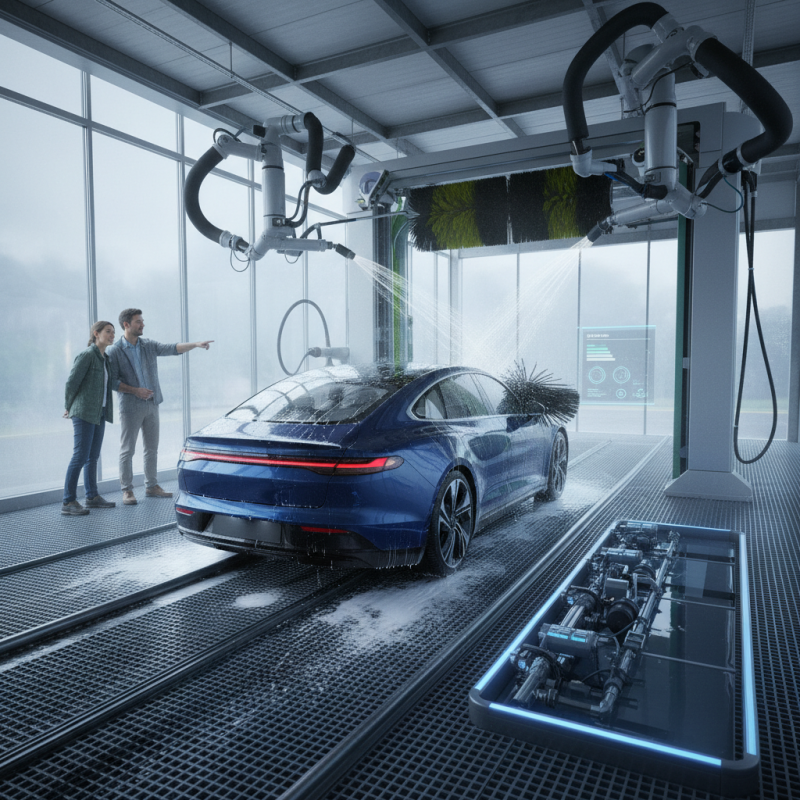
Choosing the right Automatic Car Wash system is crucial for vehicle owners. An effective system protects your car's finish while ensuring efficiency. The variety of options can be overwhelming, with each system claiming to be the best. Understanding your needs and the features available can simplify this choice.
It's essential to consider factors such as cost, water usage, and cleaning technology. Some systems use brushes, while others rely on touchless technology. Each has its benefits and drawbacks. Researching these aspects will lead to a more informed decision.
Moreover, reflect on your local conditions. Harsh weather or frequent road trips might require a more robust system. Evaluating real user experiences can also shed light on durability and service quality. Your choice can impact your vehicle’s longevity.
Factors to Consider When Selecting an Automatic Car Wash System
When selecting an automatic car wash system, several critical factors come into play. First, consider the type of wash technology, such as touchless versus soft cloth systems. According to a 2022 industry report, touchless systems can reduce the risk of scratching the vehicle's surface. However, they may not remove stubborn dirt effectively compared to soft cloth systems.
Investment and operational costs are also vital considerations. Initial setup costs can vary widely, with estimates ranging from $50,000 to $250,000, depending on technology and location. Annual maintenance costs, including water and power consumption, can add another 15-20% to your budget. Knowing these numbers helps prevent unexpected financial strain.
Efficiency is another crucial aspect. Studies show that car wash systems can process up to 120 cars per hour. However, factors like staffing, location, and hours of operation significantly influence this rate. Some operators find that even a minor scheduling change can improve throughput. Reflect on these aspects; they can impact customer satisfaction and your bottom line in the long run.
Types of Automatic Car Wash Systems and Their Benefits
When choosing an automatic car wash system, understanding the different types available is crucial. There are three primary categories: touchless, soft-touch, and in-bay automatic systems. Touchless systems rely on high-pressure water jets and detergents, which significantly reduce the risk of scratching the vehicle's surface. According to a recent industry report, around 30% of consumers prefer touchless washes due to their perceived safety.
Soft-touch systems use foam and soft cloth materials to clean the car. This method can deliver a deeper clean but may pose a risk of minor scratches if not well maintained. Studies indicate that approximately 50% of automatic car washes in the U.S. use this method. It caters to consumers looking for a thorough wash that can also polish the paint.
In-bay automatic systems are stationary and typically found at gas stations and convenience stores. These systems often attract customers due to their accessibility. However, they usually provide a less thorough clean compared to the previous two types. A survey showed that around 20% of users reported dissatisfaction with the cleaning results in in-bay systems. Each type has its strengths and weaknesses, making it essential to consider individual needs and expectations when selecting a car wash system.
Comparison of Touchless vs. Contact-Based Car Wash Systems
When considering an automatic car wash system, the choice between touchless and contact-based methods is crucial. Touchless systems leverage high-pressure water jets and specialized detergents to clean vehicles without physical contact. According to a recent report from the International Carwash Association, touchless car washes account for approximately 30% of the car wash market. They are often praised for their ability to avoid scratches and swirl marks caused by brushes. However, some users have reported that not all dirt and grime are effectively removed, especially stubborn residues.
On the other hand, contact-based car wash systems utilize brushes or cloth materials to scrub vehicles. This method is widely regarded for its thoroughness, as it can remove dirt that touchless systems might miss. A study conducted by the Car Wash Industry Research Group indicates that contact washes can improve customer satisfaction rates by 25% due to their effectiveness. Yet, concerns arise about the potential for brush damage, particularly for delicate finishes. The debate between these two systems highlights the importance of weighing the pros and cons based on individual vehicle needs and customer preferences.
Maintenance and Operational Costs of Automatic Car Wash Systems
When considering the maintenance and operational costs of automatic car wash systems, several factors come into play. According to industry reports, these systems can require significant investments in both upkeep and operation. For instance, on average, annual maintenance costs may reach around $7,000 to $10,000. This includes repairs, parts replacements, and regular inspections.
Moreover, water and energy use impact the operational expenses. Automatic car washes consume approximately 30 to 60 gallons of water per wash, depending on the system type. While advanced systems may employ recycling technologies, which reduce fresh water needs, the initial setup can be costly. Energy expenses also contribute significantly, often accounting for 20% to 30% of overall operating costs.
Despite these challenges, many owners overlook crucial factors. Choosing a system that balances efficiency with cost-effectiveness is essential. Regular evaluation of maintenance practices can help mitigate unexpected expenses. Ultimately, understanding all operational elements is vital for long-term success in this competitive market.
2026 How to Choose the Best Automatic Car Wash System? - Maintenance and Operational Costs of Automatic Car Wash Systems
| Car Wash Type | Initial Investment ($) | Monthly Maintenance Cost ($) | Average Time per Wash (minutes) | Water Usage per Wash (gallons) |
| Touchless System | $50,000 | $1,000 | 5 | 15 |
| Brush-Wash System | $75,000 | $1,500 | 7 | 25 |
| In-Bay Automatic | $40,000 | $800 | 6 | 10 |
| Tunnel System | $150,000 | $2,000 | 3 | 20 |
Evaluating Brands and Customer Reviews for Best Performance
When choosing an automatic car wash system, evaluating customer reviews can be enlightening. Real-life experiences provide insights that specifications cannot. Look for reviews that detail the system's reliability, cleaning efficiency, and ease of use. Users often share stories of their satisfaction or frustration. These narratives help to paint a fuller picture.
Consider brands known for quality. Examine how consistently they receive positive feedback. Compare the volume of reviews, not just the ratings. A system with numerous glowing reviews is typically more credible than one-star reviews on an otherwise empty page. Yet, don’t ignore negative comments; they often reveal crucial weaknesses. Sometimes, an equal balance of praise and critique is more informative.
It’s vital to reflect on your own needs, too. What features matter most to you? Is it speed, cleaning quality, or water conservation? The best choice might differ based on your priorities. Exploring various perspectives ensures a thorough understanding. Your selection should align with personal values, whether environmental impact or cost-effectiveness.