
Choosing a reliable China Tray Ladder Rack supplier requires more than comparing prices on a product page. The global warehouse racking market continues to expand. Allied Market Research valued it at about USD 8.9 billion in 2021 and projected continued growth through 2031. This trend reflects stronger demand for organized storage, safer material handling, and efficient industrial space. It also creates more supplier choices, but not every factory offers the same engineering discipline.
A capable supplier should explain load ratings, steel grades, surface treatment, weld quality, and dimensional tolerances clearly. Ask for drawings, material certificates, inspection records, and samples before placing a large order. ISO 9001 certification can support process reliability, although certification alone proves little. TÜV Rheinland and SGS inspection services can provide independent verification when project risks are high. Their reports may confirm coating thickness, structural dimensions, and selected mechanical tests. These details matter when a rack carries heavy cable trays in a busy warehouse or production facility.
Market data helps frame the decision, but it cannot replace factory evidence. Mordor Intelligence’s warehouse racking analysis highlights automation, safety, and storage efficiency as major market drivers. Those drivers are relevant to Tray Ladder Rack purchasing, especially for distributors serving demanding industrial customers. However, report categories may not match this exact product. That is an important limitation. Compare the supplier’s actual drawings, test results, packaging photos, and export experience. Check whether the factory answers technical questions consistently. A polished catalog is not proof. Sometimes, the quiet supplier with clearer documentation deserves closer attention.
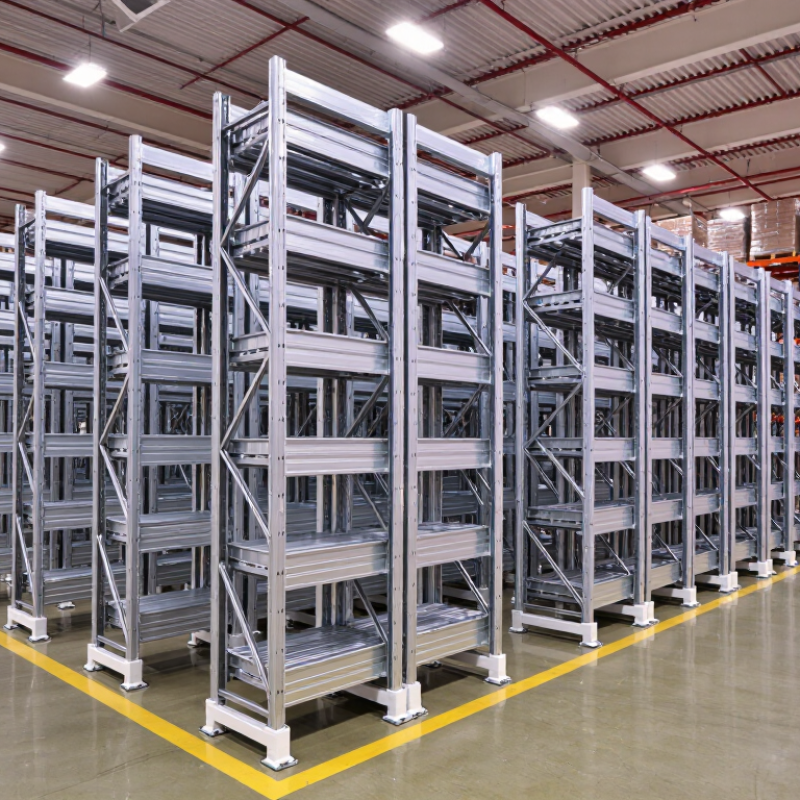
Before comparing a China tray ladder rack supplier, define the rack’s real working conditions. Record cable weight, tray width, span length, support spacing, and future capacity. Include temperature, humidity, dust, corrosion, and installation height. A 300 mm tray in a clean room differs greatly from one near saltwater. The U.S. Bureau of Labor Statistics reported 1,069 construction fatalities in 2023. Falls remained a major risk, so access clearance and secure installation deserve careful attention. A neat specification can still be wrong.
Tips: Prepare a one-page requirement sheet. Add drawings, load tables, material preferences, surface treatment, tolerances, and inspection points. Ask each supplier to confirm assumptions in writing. Request load calculations, material certificates, production photos, and independent test evidence. Do not accept “heavy duty” as a measurable specification.
Material selection should follow the environment, not habit. Galvanized steel may suit indoor projects, while stainless steel can perform better in corrosive areas. Define whether the system needs straight sections, bends, tees, covers, or adjustable supports. Also state the required standards, packaging method, labeling, and delivery schedule. Industry safety guidance emphasizes proper ladder and elevated-access design, yet buyers often focus only on price. I have seen this cause rework after installation. The requirement sheet should include a realistic safety margin, but excessive capacity can increase weight, transport cost, and supporting-structure demands. Supplier questions may expose gaps in your design; treat that feedback as useful, not inconvenient.

How to Choose the Best China Tray Ladder Rack Supplier?
China suppliers usually fall into three groups: trading companies, specialized factories, and integrated manufacturers. Trading companies offer wider product choices and easier communication. However, their technical control may depend on another factory. Specialized factories often provide stronger expertise in steel forming, welding, and rack assembly. Integrated manufacturers can manage design, tooling, testing, and packaging under one roof. That convenience may come with higher minimum order quantities.
Manufacturing capability matters more than attractive catalog photos. Ask whether the supplier uses automated tube bending, accurate laser cutting, and consistent robotic welding. Check the steel grade, tube thickness, surface treatment, and maximum load rating. A capable supplier should provide drawings, inspection records, and sample test results. Powder coating quality deserves attention. Scratched corners and uneven coverage can appear after transport. Request a sample with real mounting hardware, not only a polished prototype.
Factory audits can reveal practical details. Look for organized material storage, calibrated measuring tools, and traceable batch records. Ask how workers handle design changes. Their answer shows process maturity. Certifications can support trust, but they do not replace independent inspections. No checklist is perfect. One overlooked tolerance may prevent smooth installation. A supplier may also promise faster production than its equipment can support. Confirm capacity through a pilot order, clear specifications, and staged quality checks.
Choosing a China tray ladder rack supplier starts with evidence, not polished product photos. During practical procurement reviews, I examine weld consistency, tray alignment, and surface finish. Uneven weld beads may indicate rushed fabrication. Ask for material certificates showing grade, thickness, and batch traceability. Galvanized steel, stainless steel, and aluminum perform differently in moisture, heat, and chemical environments. The cheapest material can become expensive later.
Request load test reports for the exact rack design, not a similar model. Verify the test method, sample size, testing date, and laboratory independence. Confirm the working load, span limits, safety factor, and permitted installation direction. Check for sharp edges, weak joints, coating gaps, and distorted holes. A certificate alone is not proof. Small details matter.
Safety also depends on accurate installation guidance. The supplier should provide drawings, fastening requirements, torque values, and inspection intervals. Ask whether products meet relevant national or international standards for your project location. Factory audits can reveal storage problems, mixed materials, or weak quality control. Review production records and corrective actions, even when they look imperfect. Request a sample before placing a large order, then inspect it after transport. Packaging damage may expose hidden weaknesses. No inspection catches everything. Leave room for questions and rechecking.
How to Choose the Best China Tray Ladder Rack Supplier?
Evaluate Certifications, Customization, Pricing, and Lead Times
A dependable supplier should provide verifiable quality evidence, not only polished photos. Ask for ISO 9001 certification, material certificates, welding records, and load-test reports. ISO’s Survey 2022 recorded more than 1.2 million ISO 9001 certificates worldwide, but certification alone does not prove product quality. Check the certificate scope, issuing body, and factory address. For projects requiring specific electrical or construction standards, confirm applicable regional compliance before ordering.
Customization deserves equal attention. Share drawings, cable loads, tray width, finish requirements, hole patterns, and installation conditions. A capable engineering team should return clear shop drawings and identify design risks. Request one physical sample when tolerances matter. Pricing should show steel grade, coating, packaging, tooling, inspection, and delivery terms. Drewry’s World Container Index illustrates how ocean freight can change sharply, so compare landed cost rather than unit price. A cheap quotation may quietly exclude export packing or testing.
Tips: Build a comparison sheet with certification validity, sample approval, minimum order quantity, payment terms, and lead time. Ask whether production starts after drawing approval. Separate manufacturing days from shipping days. UNCTAD’s Review of Maritime Transport highlights continuing pressure on global shipping reliability. Therefore, request a buffer for customs and port delays. No checklist is perfect. Recheck assumptions before signing.
A reliable supplier communicates with precision, not vague promises. Ask for drawings, material details, load capacity, and surface treatment before ordering. Their answers should match your project requirements. Notice response quality, too. Clear replies show technical understanding and careful management. Delayed answers may create costly mistakes later. I once focused too much on price and ignored unclear measurements. That decision caused unnecessary revisions.
Shipping support deserves equal attention. Confirm packaging methods, carton sizes, loading plans, and estimated delivery dates. Request photos before shipment when possible. A professional supplier should explain export documents and transportation options clearly. They should also identify possible delays honestly. Do not accept guaranteed dates without evidence. Weather, port congestion, and production changes can affect delivery. Small details matter.
After-sales service reveals the supplier’s real reliability. Check whether they provide installation instructions, replacement parts, and written warranty terms. Ask how damaged or missing components are handled. A dependable team records your order details and responds after delivery. Keep communication documented through email or formal order files. Service may feel less important before payment. It becomes critical when a rack arrives with scratched coating or incorrect fittings. No supplier handles every case perfectly, but responsible suppliers admit problems and offer practical solutions.


All of Hapco's formulations are completely free of Mercury.

Hapco has been in business for over 50 years!

*NOTICE* Hapco will be will be closed on Monday, May 26th, in observance of Memorial Day. |
| Cookie | Duration | Description |
|---|---|---|
| cookielawinfo-checkbox-analytics | 11 months | This cookie is set by GDPR Cookie Consent plugin. The cookie is used to store the user consent for the cookies in the category "Analytics". |
| cookielawinfo-checkbox-functional | 11 months | The cookie is set by GDPR cookie consent to record the user consent for the cookies in the category "Functional". |
| cookielawinfo-checkbox-necessary | 11 months | This cookie is set by GDPR Cookie Consent plugin. The cookies is used to store the user consent for the cookies in the category "Necessary". |
| cookielawinfo-checkbox-others | 11 months | This cookie is set by GDPR Cookie Consent plugin. The cookie is used to store the user consent for the cookies in the category "Other. |
| cookielawinfo-checkbox-performance | 11 months | This cookie is set by GDPR Cookie Consent plugin. The cookie is used to store the user consent for the cookies in the category "Performance". |
| viewed_cookie_policy | 11 months | The cookie is set by the GDPR Cookie Consent plugin and is used to store whether or not user has consented to the use of cookies. It does not store any personal data. |