Skip to Content

Liquid Molding Monthly

What Is the Best Commercial Drain Cleaning Machine?

Choosing the best Commercial Drain Cleaning Machine starts with the drains you service, not the biggest motor on a catalog page. A restaurant kitchen line may contain grease and food debris, while a larger building can present long runs, tight bends, and varied pipe diameters. The right machine should match those conditions and the operator’s experience.

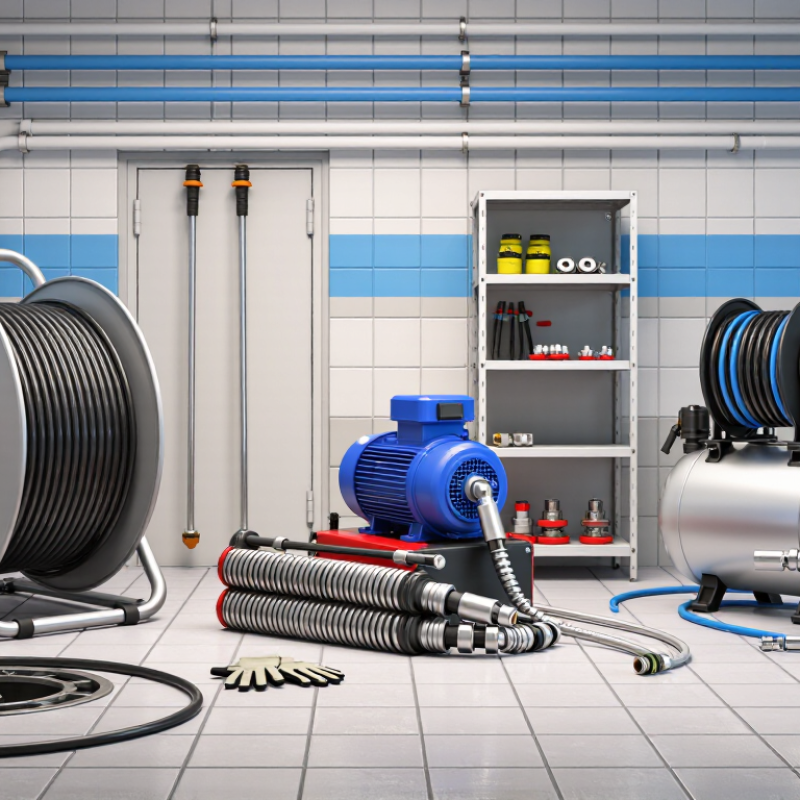
Compare cable machines, sectional machines, and high-pressure water jetters by their practical strengths. A drum machine can keep a cable contained, but its weight may make stairs awkward. Sectional equipment offers flexible cable lengths, though handling separate sections takes practice. A jetter can clear certain buildup effectively, but pressure settings and compatible hoses matter. Check the machine’s approved pipe range, cable or hose options, feed controls, and access to replacement parts. Small details count. A foot pedal that responds smoothly can make a cramped work area easier to manage.

There is no universal winner. That is easy to overlook when product listings promise speed or power. Consider how often the machine will be used, where it must travel, and which blockages it can safely address. Ask manufacturers for clear specifications, warranty terms, and maintenance guidance, then compare those claims with the work you actually handle. A powerful machine may still be the wrong choice if it is difficult to transport or control. Even careful comparisons leave some uncertainty. The best fit is usually the machine that clears common jobs reliably, suits the pipe conditions, and can be maintained without guesswork.
What Is the Best Commercial Drain Cleaning Machine?

What Defines a Commercial Drain Cleaning Machine?

A commercial drain cleaning machine is built for repeated, demanding work across larger or more varied piping systems. It may use a rotating cable, sectional rods, or high-pressure water, depending on the blockage and pipe conditions. “Commercial” is not simply a label for a powerful motor. The machine also needs durable components, controllable operation, and service access that can keep it working through frequent jobs.

Capacity should match the work. A cable machine needs suitable cable diameter and reach; a water jetter needs enough flow and pressure for the pipe, while avoiding damage to vulnerable lines.

Practical details matter: a stable frame on a wet floor, guarded moving parts, accessible controls, and manageable transport between sites.

Different cutters and nozzles help address grease, roots, or sediment, but the wrong attachment can make a blockage worse. Not every drain needs maximum force.

A dependable commercial unit should let an operator feed or guide the cleaning tool steadily and recognize when resistance changes. A sudden snag is a reason to pause and assess, not simply push harder. Even experienced crews can misjudge a pipe’s condition, especially when its layout is unknown. That uncertainty is worth acknowledging. Regular inspection, cleaning, and replacement of worn cables or hoses are part of the machine’s real working capacity, not optional extras.

Which Types of Machines Handle Different Drain Problems?

Commercial drains need different machines depending on blockage location, pipe size, and material. For a slow sink or a short branch line, a hand-fed cable machine can reach bends without taking up much space. It suits soft obstructions and light buildup. A cable that repeatedly catches may signal a tight fitting or damaged pipe, not just a stubborn clog.

For longer lines, a drum or sectional cable machine provides more reach and cutting power. Cutting heads can break up roots or hardened deposits, but the operator needs to match the head to the pipe diameter. Too much force can damage weak or corroded sections. That matters. A small inspection camera helps confirm what the cable has cleared and whether another obstruction remains.

Grease-heavy kitchen lines may respond better to a water jetter, which uses pressurized water to scour pipe walls and carry loosened debris downstream. It is not the right choice for every line: fragile pipes, poor access, or uncertain connections call for extra assessment. Use judgment. In practice, checking the cleanout, measuring the line, and identifying the likely blockage often saves time. A machine that is powerful but poorly matched can make a manageable drain problem worse.

What Is the Best Commercial Drain Cleaning Machine? Which Types Handle Different Drain Problems?

Machine Type Best Suited Drain Problems Typical Pipe Size How It Works Main Advantages Limitations and Considerations
Small drum auger Hair, soap buildup, and soft obstructions in sinks, tubs, and small branch lines About 1¼–3 in (32–76 mm) A rotating cable carries a cutting or retrieval head into the pipe. Compact and relatively easy to transport; useful for common indoor fixture stoppages. Less suitable for long runs, heavy roots, or large main lines. Use care with delicate or damaged piping.
Sectional cable machine Blockages in building drains and longer lines, including some root intrusion and compacted debris Commonly about 2–6 in (51–152 mm), depending on cable and cutter Interconnected cable sections rotate through the drain and accept interchangeable cutters. Sections are easier to carry than one long cable; cutters can be matched to the obstruction. Requires correct cable and cutter selection, secure handling, and operator training. It may not remove grease coating from pipe walls.
Large drum cable machine Longer building sewer lines and heavier obstructions such as roots or accumulated debris Often about 3–10 in (76–254 mm), depending on machine and tooling A motor turns a cable stored in a drum, with a suitable cutting head attached. Handles substantial cable lengths and can clear many mechanical stoppages in larger drains. Drums and cables can be heavy; setup and transport may be difficult. A cable may pass through soft deposits without cleaning the full pipe circumference.
High-pressure water jetter Grease, sludge, sediment, and soft deposits; useful for cleaning pipe walls after a blockage is opened Commonly used in lines about 2–12 in (51–305 mm), depending on pressure, flow, hose, and nozzle A pump sends water through a hose and nozzle; rear-facing jets propel the hose and scour deposits. Can flush loosened material downstream and clean more of the pipe circumference than a basic cable pass. Needs an appropriate water supply and careful pressure selection. Not suitable for every damaged, fragile, or poorly mapped pipe; proper containment and safety procedures are essential.
Flex-shaft cleaning machine Scale, grease film, and buildup in smaller lines where controlled wall cleaning is needed Typically about 1½–4 in (38–102 mm), depending on shaft and tooling A flexible rotating shaft drives chain knockers or other cleaning heads inside the pipe. Can provide controlled cleaning of pipe walls and may be useful in accessible indoor lines. Tooling must match the pipe material and condition. It is not the right choice for every solid blockage or large main line.
Root-cutting cable setup Tree roots entering sewer lines through joints or damaged sections Commonly used in about 3–8 in (76–203 mm) lines, with the correct cutter and machine A cable machine rotates a root-cutting head sized to the pipe. Can reopen a line affected by roots and restore flow when used with appropriate access and tooling. Usually removes roots but does not repair the entry point. Recurring root growth may require inspection and pipe repair or replacement.

Selection tip: The best machine depends on the obstruction, pipe diameter and material, line length, access, and pipe condition. Size ranges are typical and vary by equipment, cable, hose, and tooling; inspect the line when the cause or condition is uncertain.

What Features Matter When Choosing a Commercial Machine?

What Is the Best Commercial Drain Cleaning Machine?

What Features Matter When Choosing a Commercial Machine?

The right machine depends on the pipes you service, the blockages you encounter, and how often you work. Check the machine’s recommended pipe diameter and cable length against your typical jobs. A cable that is too small may twist under load; one that is too large can be difficult to maneuver through tight bends. Match the cutting head to the obstruction, too. Grease, roots, and scale may require different tools.

Control matters as much as raw power. Variable speed and a dependable feed mechanism help operators work steadily without forcing the cable. Look for a grounded power supply, a suitable safety switch, and a housing that protects moving parts from splashes and debris.

That matters.

A clear way to inspect and replace worn cables can also reduce downtime.

Consider weight, wheel design, and access to service parts before buying. A powerful unit can be a poor choice if it will not fit through a narrow basement doorway.

Not always.

Extra cable capacity may sound useful, but storing and handling more cable takes space and care.

Compare the machine with real job conditions, including transport, setup, cleanup, and operator training. A small mismatch can become a daily frustration.

How Do Leading Machine Types Compare in Performance and Cost?

Commercial drain machines differ most in reach, setup time, and the debris they handle. Drum machines feed a long cable from an enclosed reel, making them practical for routine work on smaller lines. Their covered drums help contain splashes, but the cable can be heavy to manage. Costs are often moderate, though cable wear and cleaning add ongoing expense. A compact unit may struggle with long runs or dense root growth.

Sectional machines use shorter cable lengths joined as needed. Technicians can carry them through tight access points and replace damaged sections individually. They suit demanding jobs, but require more hands-on handling and careful cable control. Water jetters use pressurized water to clear grease and flush residue from pipe walls. They can be highly effective on suitable lines, yet usually cost more to buy and maintain. They also need a water supply and trained operation. Fast work, sometimes.

For a shop comparing total cost, include transport, protective gear, maintenance, and time spent setting up—not just the purchase price. Match the machine to common pipe sizes, blockage types, and access conditions. A jetter may be excessive for occasional small-line calls; a drum unit may disappoint on recurring grease buildup. These judgments are imperfect: actual results depend on pipe condition, operator skill, and how the line is inspected before cleaning.

How Should Commercial Drain Cleaning Machines Be Used and Maintained?

Commercial drain cleaning machines work best when the operator matches the cable and cutter to the pipe size and blockage. Before use, inspect the machine, cable, foot pedal, and ground-fault protection for damage. Wear eye protection and gloves, and keep loose clothing clear of rotating parts. Position the machine securely near the access point, then feed the cable steadily. Do not force a cutter through a stubborn obstruction. Stop if resistance spikes.

Tips: Keep the cable straight as it enters the drain, and avoid sharp bends near the machine. Use a small amount of cable at a time. It is easy to rush when a line is backed up, but forcing the cable can damage it or the pipe.

After use, disconnect power before cleaning or inspecting the machine. Wipe the cable clean, check for kinks or cracks, and coil it without tight twists. Replace worn cutters, and store the equipment dry. A simple record of faults and repairs can reveal recurring problems. Some wear is easy to miss, so inspect closely rather than assuming yesterday’s setup is still safe. Follow the machine’s manual for adjustments and service intervals.

What Is the Best Commercial Drain Cleaning Machine?

There is no single best machine for every job. Choose a cleaning method that suits the pipe size, blockage, and access conditions.

How to use and maintain it: Follow the machine’s operating manual, wear appropriate protective equipment, and inspect cables, cutters, hoses, and connections before use. Clean and dry equipment after each job, and replace worn or damaged parts. Pipe-size ranges are approximate; check the machine’s specifications and use the right tools for the job.

100% Mercury Free

100% Mercury Free

All of Hapco's formulations are completely free of Mercury.
50 Year Track Record

50 Year Track Record

Hapco has been in business for over 50 years!

ISO Certified

Higher Quality. More Efficiency. View Certificate

Technical Expertise

Hapco's employees are knowledgeable and ready to help.

Join Our Mailing List

Get the latest news, updates, and articles from Hapco, Inc.

Join Now