
Skip to Content

Liquid Molding Monthly

How to Choose the Right Polymer Resin Supplier in 2026?

Choosing the right Polymer Resin supplier in 2026 means looking beyond price per kilogram. A resin that runs smoothly through a supplier’s sample test may behave differently on your production line. Check grade consistency, processing data, and support for your actual application. Ask for recent certificates of analysis and traceability records. Then compare them with incoming-lot results—not just a polished brochure.

Polymer materials consultant Dr. Michael Sepe is known for application-focused expertise. A useful principle consistent with that work is: “Choose resin for the part’s real service conditions, not the brochure.” Treat that as a sourcing reminder, not a verbatim quotation. Consider heat exposure, impact, chemical contact, color stability, and cycle time. A molded housing near a warm motor has different needs from a clear packaging component. Small details matter.

Supplier quality shows up in ordinary moments. Can the team explain a viscosity shift? Do they flag a grade change before your next shipment? Can they provide technically relevant alternatives when availability tightens? Ask for samples, trial them on your equipment, and document the results. Get specific. A low quote can hide costly setup changes or scrap. And supplier promises deserve verification; even a strong audit cannot predict every disruption. This guide examines the criteria, questions, and checks that help buyers make a more informed choice in 2026—while leaving room to reassess when production evidence challenges the original decision.
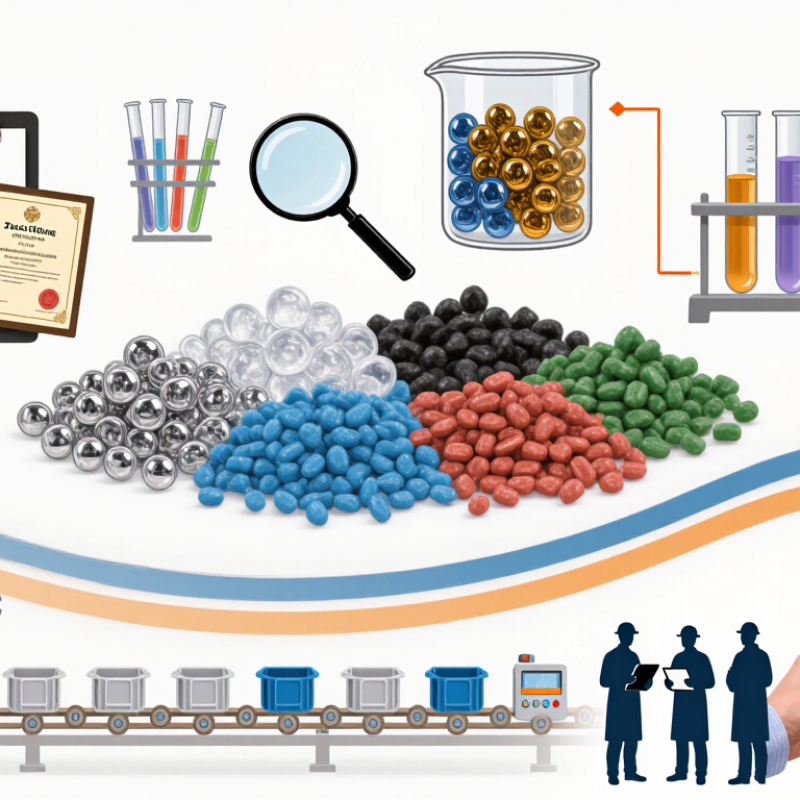
How to Choose the Right Polymer Resin Supplier in 2026?

Define Your Polymer Resin Requirements and Application Conditions

Before comparing suppliers, define what the resin must do in the finished part. Record the polymer family, target properties, color, additives, and any recycled-content requirements. Describe the part’s wall thickness, expected loads, impact exposure, and contact with oils or cleaning agents.

Small details matter. An indoor housing and an outdoor fitting may need very different heat and UV performance. Include the processing method, equipment temperatures, cycle targets, and expected annual volume. Avoid relying on a single headline property.

Turn these needs into measurable criteria, such as melt flow range, tensile strength, shrinkage, and color tolerance. Review technical data sheets, but treat typical values as guidance rather than guaranteed batch results. Ask suppliers about lot traceability, certificate details, and sample quantities for trials using your actual process.

Test carefully. Watch for warping, surface marks, uneven filling, and changes in cycle time; record what happens.

Some assumptions may prove wrong. That is useful evidence, not a reason to ignore the specification. Revise the grade requirements when trials reveal differences between published data and finished parts.

Compare Supplier Expertise, Resin Grades, and Technical Support

Choosing the right polymer resin supplier in 2026 means comparing more than price and delivery speed. Ask how the supplier matches resin grades to processing conditions, part design, and performance needs. A knowledgeable team should explain relevant properties, such as melt flow, impact strength, and heat resistance, without relying on vague claims. Request current technical data sheets and sample material for trials. A grade that looks suitable on paper may behave differently in your actual equipment.

Tips: Share your process temperature, cycle time, and end-use requirements. Compare suppliers using the same criteria, not sales language alone.

Technical support matters after the purchase, too. Check whether specialists can help investigate defects, suggest processing adjustments, and clarify changes between material lots. Ask how quickly they respond and what information they need to troubleshoot. Clear answers are useful; honest limits are useful as well. It is easy to overvalue a polished presentation and overlook everyday support. Still, even a careful comparison cannot remove every uncertainty, so document trial results before committing to larger orders.

Verify Quality Systems, Testing Data, and Regulatory Compliance

A resin supplier’s certificate is a starting point, not proof that every shipment meets your needs. Plastics Europe reported global plastics production of 413.8 million tonnes in 2023, highlighting the scale and variety of materials buyers must assess. Ask for a current quality-system certificate, its scope, and the site it covers. Then request batch-specific certificates of analysis, with test methods and results for properties such as melt flow, density, and moisture. Check that laboratory equipment is calibrated and that the supplier retains samples. Small details matter.

Look for evidence of control, not polished paperwork alone. Review how the supplier handles out-of-spec batches, change notifications, and corrective actions. A quality audit can reveal whether procedures match daily practice. Still, a certificate cannot guarantee consistent performance. I would compare several recent batches against your own processing limits, even when the paperwork looks complete.

Regulatory documents should identify the exact grade, intended use, and applicable market. Request current declarations and supporting test data, then verify they match your application. The OECD’s Global Plastics Outlook (2022) estimated that just 9% of plastic waste was recycled globally in 2019. For recycled-content resins, ask for traceability records and a clear description of how content is verified. Paperwork can still miss a weak process. Ask again when details are vague.

How to Choose the Right Polymer Resin Supplier in 2026?

Verify quality systems, testing data, and regulatory compliance.

Suggested buyer-defined score allocation, not market statistics: prioritize audited quality systems and lot-specific test data, then assess regulatory documentation and change control with traceability. Confirm requirements against the resin’s intended application and destination market.

Assess Pricing, Lead Times, Capacity, and Supply Chain Resilience

Compare resin quotes on the same basis: grade, volume, packaging, freight, and payment terms. A low price may exclude costly fees or reflect a temporary offer. Check how surcharges change when energy or transport costs rise. Ask for a written quote with a clear validity period. Small details matter.

Lead times need evidence, not reassurance. Ask how many days typically pass between order confirmation and dispatch, then compare that figure with recent deliveries. Confirm whether the quoted schedule includes production, testing, and transport. Capacity matters too. A supplier may handle your usual monthly volume but struggle with a sudden increase. Request realistic limits and escalation procedures before demand peaks.

Supply chain resilience is more than keeping extra stock. Ask where key raw materials come from, whether qualified alternatives exist, and how delays are communicated. Review inventory policies and recent on-time delivery data, while recognizing that past performance cannot guarantee future results. Forecasts are imperfect. Your own purchasing pattern may also create risk. Share demand changes early, and test the supplier’s response with a practical scenario, such as a delayed shipment or a 20 percent volume increase. A vague answer is worth examining.

How to Choose the Right Polymer Resin Supplier in 2026? — Assess Pricing, Lead Times, Capacity, and Supply Chain Resilience

Use this scorecard to compare anonymized supplier quotes. Planning ranges and thresholds below are screening guidelines, not verified supplier offers; confirm them against your resin grade, region, order size, and written quotations.

Assessment dimension What to compare Useful evidence or calculation Practical screening guideline Warning signs
Delivered price Compare the same resin grade, specification, order quantity, delivery terms, and validity period. Landed cost per kg = material price + freight + duties + handling + any applicable surcharges, divided by delivered kg. Request an itemized quote and compare total landed cost for the same delivery point and shipment size. A low unit price with unclear freight, surcharges, minimum order quantities, or quote expiry.
Price stability How often prices can change and which published or contractual inputs trigger adjustments. Written pricing formula, adjustment frequency, notice period, and historical quote revisions for the account. Agree on a defined quote-validity window and a transparent review mechanism before placing orders. Unilateral changes without a stated basis or insufficient notice to adjust purchasing plans.
Lead time Quote-to-delivery time, order cut-off dates, transit time, and whether the material is stocked or made to order. Request recent order-to-delivery records for the same grade and route; distinguish production time from shipping time. Evaluate the supplier's demonstrated range and variability, not just its best-case estimate; set a delivery window in the order. A quoted lead time that excludes allocation, production scheduling, customs, or final-mile delivery.
On-time delivery Consistency of deliveries against the confirmed requested delivery date. On-time delivery rate = orders delivered within the agreed window ÷ total orders measured × 100; ask for the measurement period and definition. Compare the same period and delivery-window definition across suppliers; review both the rate and late-delivery causes. Performance figures with no reporting period, exclusions, or supporting order history.
Available capacity Monthly quantity available for your account, including allocation during peak demand. Written monthly allocation, maximum order size, replenishment frequency, and escalation contact for shortages. Check that committed allocation covers forecast demand plus the inventory buffer required by your operations. Capacity statements based only on nameplate output, with no account-specific commitment.
Minimum order and flexibility Minimum order quantity, shipment size, packaging options, and ability to split or reschedule orders. Quote and contract terms for minimum quantities, partial shipments, cancellation, and forecast changes. Match order size to actual consumption and storage capacity; price the cost of any flexibility restrictions. Large minimums that create excess inventory, aging stock, or avoidable storage costs.
Supply continuity Exposure to single production sites, transport routes, feedstock constraints, and regional disruptions. Documented continuity plan, alternative qualified production or logistics routes, and customer notification process. Verify which alternatives are genuinely qualified for your grade and application, and how quickly they can be activated. A backup source or route is mentioned but cannot be identified, qualified, or made available when needed.
Inventory and allocation policy Stocking location, inventory ownership, reserve-stock terms, and allocation rules during shortages. Written stock status, replenishment schedule, reservation conditions, and shortage-allocation policy. Confirm whether stated inventory is physically available, reserved for your account, and suitable for your required grade. “Available” stock is unreserved, unverified, or subject to undisclosed allocation priority.
Quality and documentation Grade consistency, batch traceability, change control, and application-specific compliance documentation. Technical data sheet, safety data sheet, certificate of analysis where applicable, and documented change-notification process. Approve the specific grade and documentation before production use; verify requirements for your market and application. Incomplete traceability, undocumented grade substitutions, or assurances that do not match written records.
Communication and recovery Speed and clarity of updates when an order, shipment, or production plan changes. Named escalation roles, shipment-tracking process, incident updates, and corrective-action follow-up. Agree on notification timing and escalation contacts for delays, shortages, and quality holds. Delays are communicated only after the delivery date has passed or without a recovery plan.

Suggested decision method: score each dimension against documented evidence, apply weights based on operational risk, and compare total landed cost alongside service performance. Recheck assumptions whenever the grade, route, order volume, or delivery terms change.

Validate Shortlisted Suppliers Through Samples and Qualification Trials

A supplier’s sample is a starting point, not proof of consistent production quality. Request material from a routine production lot, with its lot number and current technical data sheet. Record the resin grade, sample date, packaging condition, and any storage or drying instructions. Small details matter. A sealed bag left in a warm storeroom may not represent material handled under controlled conditions.

Run the sample on the equipment and settings you expect to use. Keep variables steady, including drying time, melt temperature, and cycle conditions. Note the results: flow behavior, surface finish, dimensions, color, and any visible defects. Then repeat the trial with another lot when practical. One successful run can be misleading. Compare the supplier’s stated properties with your own test results, and ask for explanations when they differ. Keep records. A short production trial can reveal issues that a small lab test misses, though it may not capture every seasonal or process variation. Qualification should include clear acceptance limits and a defined response if later lots fall outside them. Some teams rush this stage to meet a launch date; that pressure is understandable, but it can leave important questions unanswered.

100% Mercury Free

100% Mercury Free

All of Hapco's formulations are completely free of Mercury.

50 Year Track Record

50 Year Track Record

Hapco has been in business for over 50 years!

ISO Certified

Higher Quality. More Efficiency. View Certificate

Technical Expertise

Hapco's employees are knowledgeable and ready to help.

Join Our Mailing List

Get the latest news, updates, and articles from Hapco, Inc.

Join Now