Skip to Content

Liquid Molding Monthly

How to Choose the Right Resin Coating for Your Project

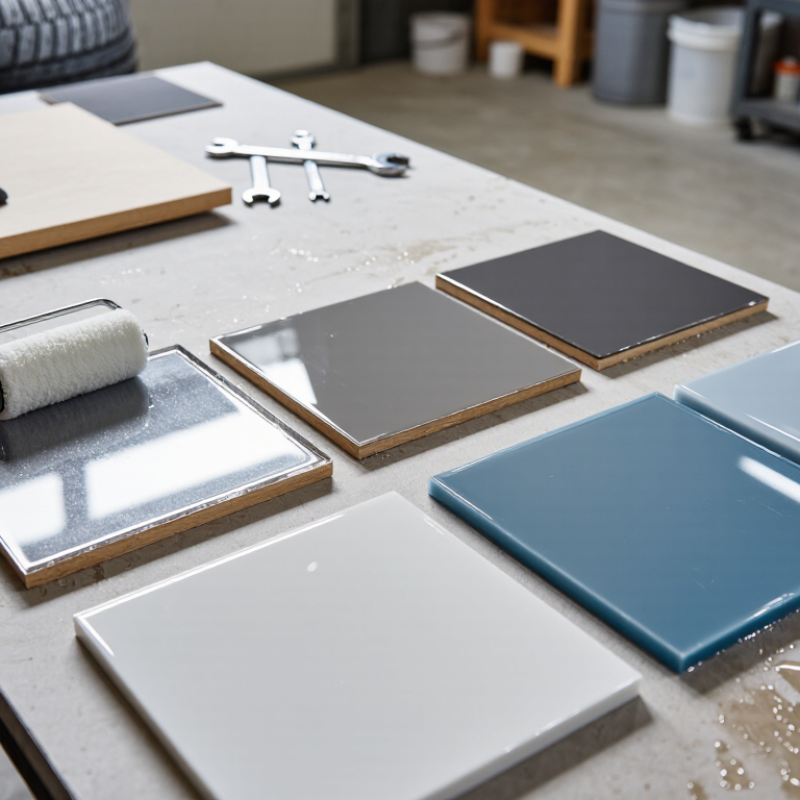
Choosing a Resin Coating is not just a color decision. It determines how a surface handles abrasion, moisture, chemicals, sunlight, and daily wear. A garage floor faces hot tires and dropped tools; a food-processing surface may need frequent cleaning. The right system depends on those conditions, the substrate, preparation, and application environment.

The market context is significant, but it needs careful interpretation. Grand View Research estimated the global paints and coatings market at USD 179.98 billion in 2023 and forecast a 4.3% compound annual growth rate from 2024 to 2030. This broad category includes many products, so it should not be mistaken for resin-coating-specific data. Still, it shows why performance claims deserve close scrutiny. Small details matter.

This guide compares common resin types, including epoxy and polyurethane, and explains where each may fit. It also considers cure time, surface preparation, expected exposure, and maintenance. A glossy sample can look convincing under showroom lights. Real conditions are less forgiving. Because no verifiable expert quotation was provided, I will not invent one or attribute an unsupported statement to a named specialist. Use product technical data sheets, test methods, and project-specific advice to check any recommendation. Even then, no coating choice removes every trade-off.
How to Choose the Right Resin Coating for Your Project

Define the Project’s Surface and Intended Use

How to Choose the Right Resin Coating for Your Project

Define the Project’s Surface and Intended Use

Start by identifying the surface material and its condition. Concrete in a garage behaves differently from a wooden countertop or a metal workbench. Check for dust, oil, moisture, cracks, and old coatings. These details affect how well resin can bond. A coating cannot reliably fix a surface that is damp or poorly prepared. That matters.

Next, consider how the finished area will be used. A floor exposed to vehicle tires needs different wear resistance from a decorative tabletop. Think about foot traffic, spills, sunlight, heat, and cleaning methods. Also note whether the surface flexes; rigid coatings may crack when the material beneath them moves. A small test patch can reveal adhesion or appearance issues before you coat the entire project.

It is tempting to choose by gloss or color first, but performance should guide the shortlist. For example, a bright finish may show scratches more clearly in a busy workshop. On porous concrete, proper cleaning and any specified primer can matter as much as the resin itself. If the surface history is uncertain, pause and investigate rather than guessing. I might overlook a detail, too; a simple moisture or adhesion check can prevent an expensive redo.

Compare Resin Types and Their Key Properties

Choosing a resin coating starts with the conditions it must handle. The best option for a dry indoor floor may fail on a sunny patio or a damp workshop slab. Consider abrasion, chemical spills, sunlight, moisture, and how quickly the area needs to return to use. Small details matter.

Epoxy coatings typically form a hard, strongly bonded surface and can resist wear and many common chemicals. They are often used on concrete floors, but sunlight can cause some formulations to yellow or fade. Polyurethane coatings tend to offer better UV stability and flexibility, making them useful as a topcoat or for surfaces exposed to movement. Polyaspartic coatings can cure quickly and tolerate temperature changes, but their short working time may make careful application harder. Acrylic coatings dry fast and are relatively easy to apply, though they usually provide less abrasion and chemical resistance than thicker systems. Not always a simple choice.

Match the coating to the substrate and the preparation it requires. Concrete should be clean, sound, and within the product’s moisture limits; trapped moisture can lead to peeling or bubbles. Check the technical data sheet for cure times, temperature ranges, and compatible primers. A small test area can reveal how the coating looks and spreads on your actual surface. It is tempting to choose the toughest-sounding resin, but added hardness alone does not guarantee a longer-lasting finish.

How to Choose the Right Resin Coating for Your Project - Compare Resin Types and Their Key Properties

Property Epoxy Polyurethane Polyaspartic Acrylic
Typical strengths Strong adhesion and a hard, durable surface; widely used for protective floor coatings. Good abrasion resistance and flexibility; available in formulations for interior and exterior use. Fast-curing coating technology that can provide strong abrasion and chemical resistance. Generally easy to apply and quick to dry; commonly used where a breathable, decorative finish is suitable.
UV and color stability Many standard epoxy coatings can yellow or chalk with prolonged UV exposure. Aliphatic formulations generally offer better UV and color stability than aromatic formulations. Many formulations offer good UV stability, but performance depends on the specific product chemistry. Often offers good color retention outdoors, depending on the formulation and exposure conditions.
Flexibility Typically rigid; may be less suitable where the substrate moves or flexes significantly. Usually more flexible than standard epoxy and can accommodate some substrate movement. Can range from flexible to relatively hard; check the product data for the intended application. Often forms a comparatively flexible film, though properties vary by product type.
Moisture considerations Can provide a low-permeability barrier when correctly specified and applied; substrate moisture can affect adhesion or cause coating defects. Moisture tolerance varies. Some products are sensitive to moisture during application or cure. Moisture tolerance and substrate requirements are formulation-specific; follow the technical data sheet. Many acrylic coatings are more permeable to water vapor than dense epoxy systems; suitability depends on the substrate and exposure.
Cure and return to service Usually cures more slowly than fast-cure polyaspartic systems; temperature and product formulation affect cure time. Cure time varies by chemistry and conditions; some systems are designed for faster recoat or service. Often cures rapidly, which can reduce downtime but leaves less working time for application. Often dries relatively quickly, although full cure and resistance development take longer than surface drying.
Chemical and abrasion resistance Commonly provides good chemical and abrasion resistance, but performance depends on the resin and exposure. Often provides good abrasion resistance; chemical resistance varies substantially by formulation. Can provide strong chemical and abrasion resistance; confirm compatibility with the specific chemicals involved. Typically selected more for weathering and decorative protection than for severe chemical or heavy industrial exposure.
Common applications Concrete floors, garages, workshops, and protective industrial floor systems. Topcoats, floors, and surfaces needing added flexibility or improved UV performance. Floors and other projects where rapid return to service is important. Exterior masonry, concrete, and decorative surfaces where the selected coating is compatible with the substrate.
Key limitations UV discoloration is possible; careful surface preparation and moisture assessment are important. Some types are sensitive to application conditions; aromatic types may discolor under UV exposure. Short working time can make application more demanding; product and environmental limits must be followed closely. May not match the heavy-duty chemical or abrasion performance of specialized industrial coatings.
Best fit when You need a hard, adherent coating and can manage preparation and cure time. You need a tougher, more flexible finish or a UV-stable topcoat formulation. Minimizing downtime is a priority and the installation team can work within a fast application window. You need a practical decorative or exterior coating and its permeability and durability suit the project.

Actual performance, application conditions, and cure times vary by formulation, substrate, temperature, humidity, and film thickness. Check the product technical data and safety information before selection and application.

Assess Environmental and Application Requirements

Choosing a resin coating starts with the conditions it must withstand, not its appearance. Is the surface indoors or outdoors? Will it face standing water, sunlight, temperature swings, oils, or cleaning chemicals? A garage floor and a shaded workshop may look similar, but their demands differ. Small details matter.

Check the substrate and application conditions before comparing resin types. Concrete should be sound, clean, and dry enough for the specified system; trapped moisture can cause blisters or poor adhesion. Record the surface temperature and room humidity, then follow the coating’s stated limits. If the slab is dusty or recently repaired, pause and assess it. A test patch helps.

Match the coating to traffic and exposure. A busy walkway may need abrasion resistance and a suitable slip texture, while a sunlit area needs attention to UV stability. For spills, check resistance against the exact chemicals and contact time; a broad “chemical resistant” label is not enough. Consider ventilation, curing time, and access. A fast cure is not always practical. I still find schedules easy to underestimate. Ask for technical data, and have a qualified installer review uncertain conditions before committing.

How to Choose the Right Resin Coating for Your Project

Assess the environment and application requirements before selecting a coating. This chart provides a general, qualitative comparison of common resin systems; actual performance varies by formulation and exposure conditions.

How to read it: Ratings are relative on a 1–5 scale, where 5 indicates stronger general resistance. Polyurethane and polyaspartic coatings are often considered for UV-exposed areas, while epoxy and vinyl ester are commonly evaluated for chemical exposure. Confirm suitability using the product’s technical data and the project’s service conditions.

Match Coating Performance to Project Priorities

How to Choose the Right Resin Coating for Your Project

Match Coating Performance to Project Priorities

Start with the surface’s real workload. A garage floor may face hot tires, dropped tools, and oil drips; a food-preparation area needs frequent cleaning and dependable slip resistance. List the main stresses, then compare coating data for chemical exposure, abrasion, moisture tolerance, and cure time. No single resin excels at everything. A high-gloss finish can look impressive, yet become a poor choice if wet footwear is common.

For steel, corrosion protection may outweigh appearance. NACE International’s 2016 IMPACT study estimated corrosion costs at about $2.5 trillion globally, or 3.4% of global GDP. The study also reported that improved corrosion management could save 15–35% of those costs. That figure covers many control methods, not resin coatings alone, but it shows why surface preparation and protective performance deserve serious attention. Ask for test conditions, not just a “chemical-resistant” claim.

Indoor air quality matters, too. The U.S. Environmental Protection Agency reports that indoor levels of some organic pollutants average two to five times outdoor levels. Check the product’s VOC data and ventilation requirements, especially in occupied buildings. Let it cure fully. Test a small area first. Real substrates are rarely perfect; residual moisture, old adhesive, or uneven concrete can undermine an otherwise suitable coating. A test patch may feel slow, but it can expose problems before they spread across the floor.

Plan Surface Preparation, Application, and Curing

How to Choose the Right Resin Coating for Your Project

Plan Surface Preparation, Application, and Curing

Start with the slab, not the coating. Remove dust, oil, weak concrete, and old residues; a clean-looking floor can still hide contamination. ICRI 310.2R-2013 uses Concrete Surface Profile grades from CSP 1 to CSP 10. Match the specified profile to the coating system rather than grinding every floor aggressively. A small test area helps reveal whether the surface is too smooth or uneven.

Moisture needs measurement, not guesswork. ASTM F2170-19a describes testing relative humidity inside concrete slabs. Record readings across the floor, then compare them with the coating’s documented moisture limits; there is no single safe limit for every resin. Pay attention to corners and areas near drains. They can behave differently. This step is easy to rush, and that can be an expensive mistake.

During application, check substrate and room temperatures, mix components for the stated time, and track pot life. A wet-film gauge can help confirm coverage before the resin levels. Follow the technical data sheet for recoat windows and curing conditions, and keep foot traffic off until the stated cure stage. A cool slab may slow curing even when the room feels warm. I would still verify conditions at floor level; assumptions are tempting, but unreliable.

100% Mercury Free

100% Mercury Free

All of Hapco's formulations are completely free of Mercury.

50 Year Track Record

50 Year Track Record

Hapco has been in business for over 50 years!
ISO Certified

Higher Quality. More Efficiency. View Certificate

Technical Expertise

Hapco's employees are knowledgeable and ready to help.

Join Our Mailing List

Get the latest news, updates, and articles from Hapco, Inc.

Join Now