How to Choose the Right Well Control Box for Your Needs?
Choosing the right Well Control Box is crucial for effective drilling and safety. A Well Control Box serves as a key component in managing pressure and preventing blowouts. With various options available, selecting the best one can feel overwhelming. What criteria should you consider?
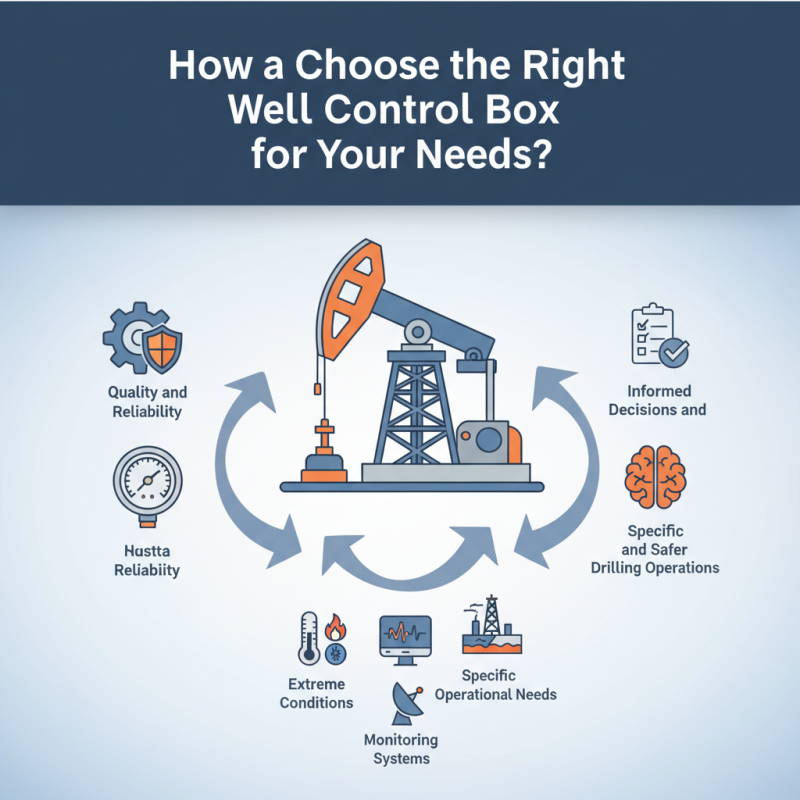
Quality and reliability are prime factors. A well-designed box ensures that you can maintain control during unexpected events. It’s essential to seek units made by reputable manufacturers. Often, the cheapest option may not provide the best safety features.
Consider your specific operational needs. Different drilling environments may require distinct functionalities. For instance, a box must withstand extreme conditions or be compatible with advanced monitoring systems. Understanding your requirements is vital, yet many overlook this step. Take time to evaluate your situation carefully. This will lead to more informed decisions and ultimately safer drilling operations.
Understanding the Basics of Well Control Systems in Oil and Gas Industry
In the oil and gas industry, well control systems are critical for safe operations. These systems prevent blowouts and maintain pressure balance in wells. Understanding their basics is essential for anyone involved in drilling. A well control system typically includes various components like blowout preventers, mud pumps, and control panels. Each part plays a specific role in maintaining well integrity.
Choosing the right well control box requires comprehension of the specific needs of your operation. Is your project on land or offshore? The environment significantly impacts equipment selection. Consider training and experience of your personnel. It’s crucial to ensure they understand the system's operations. Flaws in understanding can lead to dangerous situations.
Maintaining reliable communication between team members is also vital. Miscommunication can cause delays or compromises in safety. Regular training sessions and drills can improve preparedness. Reflection on past operations can provide valuable insights for future projects. Adapting lessons learned can enhance safety and efficiency in well control practices.
Key Features to Look for in a Well Control Box for Safety and Efficiency
When selecting a well control box, safety and efficiency are paramount. Look for robust design and certification standards. According to industry standards, devices must undergo rigorous testing. A well control box should comply with API 16C specifications for safe operation in challenging environments. This compliance is crucial to ensure reliable performance during emergencies.
Key features to consider include intuitive interface and real-time monitoring. A user-friendly display can streamline operations. Reports indicate that operators with clearer displays reduce error rates by up to 25%. Additionally, robust data logging is essential. It enables operators to analyze well behavior over time. Real-time alerts can help prevent catastrophic failures.
Another aspect to evaluate is the box’s portability and integration capabilities. Can it function with other safety systems? Portability proves vital in remote drilling sites. Flexibility in deployment can lead to improved response times. However, while advanced features are attractive, they can introduce complexity. Carefully weigh the benefits against potential human error.
Evaluating the Technical Specifications of Well Control Equipment
When selecting a well control box, evaluating technical specifications is crucial. Consider the pressure rating first. The right unit must withstand the pressures expected in your operations. Additionally, focus on the flow capacity. A well control box with inadequate flow capacity can lead to inefficient handling of emergencies.
Tips: Always match the flow capacity to your specific drilling conditions. Don’t overlook the importance of user interface. A complicated interface can lead to mistakes in critical situations.
Another element to examine is the communication compatibility. Ensure it can integrate seamlessly with existing systems. Look for units that offer robust communication protocols. This will improve response times and coordination during high-stress situations.
Tips: Regularly review industry standards and updates. Look for advancements in technology that may improve reliability. Consider feedback from operators; their experience is invaluable.
Well Control Equipment Technical Specifications Comparison
Industry Standards and Certifications for Reliable Well Control Systems
Choosing the right well control box goes beyond personal preference. Industry standards and certifications play a crucial role in ensuring reliability and safety. Understanding these standards is essential for effective well control operations, especially in the energy sector.
‘ISO 9001’ is a fundamental certification indicating quality management. Organizations that seek this certification commit to maintaining high standards. This involves regular audits and a process of continuous improvement. Clarity in documentation and operational procedures is vital. Certifying bodies assess compliance with international standards, fostering trust in the systems employed.
Another key standard is ‘API RP 53’. This recommends safety measures for blowout prevention systems. It offers guidelines on design, operation, and maintenance of well control equipment. Adhering to these guidelines reduces risks during drilling activities. However, not all products meet these requirements, leading to varying levels of safety across the market. Companies seeking well control boxes must thoroughly evaluate certifications and performance records. Investing time in this process can prevent potential setbacks and enhance operational efficiency.
Comparative Analysis of Leading Well Control Box Manufacturers and Models
When choosing a well control box, understanding the options available is crucial. Various manufacturers provide different features that impact performance. Recent market analysis shows a significant increase in demand for advanced technology in well control systems. The market size is projected to grow by over 6% annually through 2026, highlighting the importance of making informed choices.
Comparative assessments of leading models reveal noteworthy variations. Features like control precision and response time are vital for operational efficiency. Data indicates that systems with integrated monitoring capabilities can reduce incident response time by nearly 30%. However, some models fall short in ease of use and adaptability, leaving users to question their investments.
User feedback often highlights issues with reliability. Some systems experience frequent calibration needs, which can disrupt operations. Additionally, many professionals emphasize the importance of post-purchase support. A strong service network can significantly enhance user experience. Unpacking these insights can guide selections, ensuring the chosen well control system meets specific operational needs.
How to Choose the Right Well Control Box for Your Needs?
| Model | Pressure Rating (psi) | Dimensions (inches) | Weight (lbs) | Features | Price ($) |
| Model A | 5000 | 24 x 16 x 12 | 75 | Automatic Shutdown, LCD Display | 2600 |
| Model B | 6000 | 30 x 20 x 15 | 90 | Remote Monitoring, Robust Design | 3200 |
| Model C | 7500 | 28 x 18 x 14 | 85 | Manual Override, High Sensitivity Sensors | 4000 |
| Model D | 9000 | 32 x 22 x 16 | 100 | Wireless Connectivity, Data Logging | 4500 |