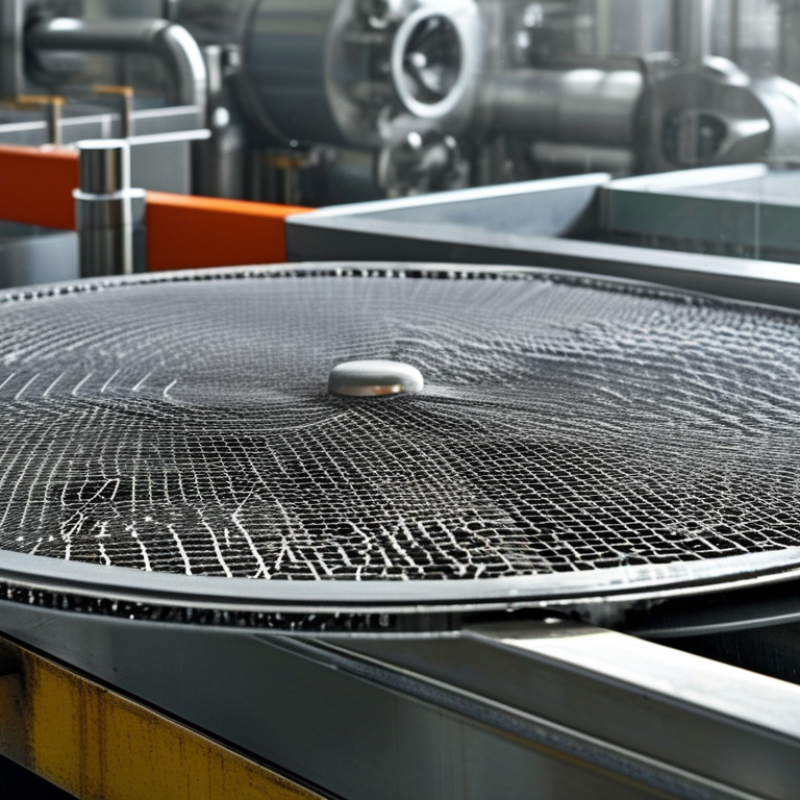
What is Filter Mesh and How is it Used in Industries?
Filter Mesh plays a crucial role in various industries today. Its primary function is to separate particles from fluids, ensuring product quality and system efficiency. Made from diverse materials, its design varies to meet specific needs.
Industries like food processing and pharmaceuticals heavily rely on Filter Mesh. In food processing, it helps prevent impurities that affect taste and safety. In pharmaceuticals, it ensures that drugs meet strict quality standards. The versatility of Filter Mesh is remarkable, accommodating different sizes and filtration grades.
Despite its widespread use, some challenges exist. Choosing the right mesh for specific applications can be complex. Users must understand their unique requirements to avoid inefficiencies. Mistakes in selection can lead to costly production errors. Therefore, knowledge of Filter Mesh is essential for optimal results in any industry.
Definition and Characteristics of Filter Mesh
Filter mesh is a crucial component in various industries. It refers to a type of material designed to separate solids from liquids or gases. Typically made from woven wire, nylon, or polyester, filter mesh possesses specific characteristics that make it effective for filtration tasks. The size of the openings determines its filtering capability. Options range from very fine meshes for intricate tasks to coarser varieties for more robust applications.
The durability of filter mesh adds to its appeal. It can withstand high temperatures and pressures, making it suitable for harsh environments. Moreover, the ease of maintenance enhances its utility. Regular cleaning allows for repeated use, thus reducing waste. However, achieving the right balance between filtration efficiency and flow rate can be challenging. Over time, deposits may clog up the mesh, necessitating careful monitoring and occasional replacements.
In many industries, filter mesh plays an essential role in ensuring product quality. For instance, in food and beverage production, it helps maintain safety standards. In pharmaceuticals, it filters out contaminants, safeguarding consumer health. Despite its benefits, relying solely on filter mesh can lead to oversights if not regularly assessed and optimized. Understanding its limitations is vital for maximizing effectiveness in any application.
Types of Filter Mesh Materials Used in Industries
Filter mesh is crucial in various industries, serving multiple purposes. Different types of materials are utilized based on the specific needs of applications. Stainless steel, nylon, polyester, and woven wire mesh are common choices. Each material offers unique advantages in filtration efficiency and durability.
Stainless steel mesh is known for its strength and resistance to high temperatures. It is widely used in food and pharmaceutical applications where sanitation is vital. A report by Grand View Research states that the global metal mesh market is projected to reach USD 8.6 billion by 2026, reflecting a growing need in these industries.
Nylon mesh, on the other hand, is lightweight and flexible. It is commonly used in water filtration and textile applications, offering good chemical resistance. Polyester is favored for its affordability and is often found in air filtration systems.
However, not all materials work perfectly in every situation. Some industries report challenges with mesh clogging or limited lifespan. Additionally, the balance between cost and performance remains a complex issue. As filtration technology advances, ongoing research is essential to optimize material selection for specific industry needs.
Applications of Filter Mesh in Various Industries
Filter mesh is a versatile tool used across various industries for its efficiency in separating solids from liquids and gases. In the food and beverage industry, it plays a vital role in ensuring product purity. Strainers made from filter mesh are used to remove impurities from liquids, such as fruit juices and oils. This process significantly enhances flavor and quality.
In the pharmaceutical sector, filter mesh ensures that products meet strict purity standards. It is used in the filtration of active ingredients and excipients. The precision of the mesh determines the quality of the final product. Any small deviation can lead to contamination issues. Hence, the right specifications are critical in this context.
In the water treatment industry, filter mesh aids in the removal of contaminants. It allows clean water to flow while blocking out larger particles. This is essential for maintaining safe drinking water standards. Yet, some facilities may overlook mesh maintenance. This can lead to reduced efficacy over time. Industry professionals must regularly assess their filtration systems to avoid such pitfalls.
Benefits of Using Filter Mesh in Filtration Processes
Filter mesh performs a crucial role in numerous industries, particularly in filtration processes. Its unique structure allows for effective particle separation. By using filter mesh, industries can enhance the quality of their end products. According to a report by the Global Filtration Market, the filtration segment is expected to grow by 7.5% annually through 2025. This growth reflects the growing need for high-efficiency filtration.
The benefits of employing filter mesh are significant. For one, filter mesh can significantly reduce maintenance costs. A study from the Filtration Society indicates that using mesh with proper specifications can lead to a 30% decrease in equipment downtime. Additionally, filter mesh ensures higher purity levels in liquids and gases. This is paramount in industries like pharmaceuticals, where contaminants can jeopardize product integrity.
However, there are challenges to consider. Not all filter mesh types suit every application. Choosing the wrong mesh can lead to suboptimal filtration and increased operational costs. Frequent adjustments and replacements of the mesh may also be necessary. Industries must evaluate their specific needs closely to optimize their filtration processes effectively.
What is Filter Mesh and How is it Used in Industries? - Benefits of Using Filter Mesh in Filtration Processes
| Industry | Application | Filter Mesh Material | Mesh Size (Micron) | Benefits |
| Food and Beverage | Liquid filtration | Stainless Steel | 50-100 | Ensures product purity, easy to clean |
| Pharmaceutical | Bioprocess filtration | Nylon | 0.2-5 | High retention rates, sterilizable |
| Environmental | Water treatment | Polyester | 20-200 | Cost-effective, corrosion-resistant |
| Electronics | Dust filtration | Carbon Steel | 5-50 | Prevents contamination, durable |
| Chemical | Solvent filtration | PTFE | 0.45-10 | Chemically resistant, high flow rates |
Maintenance and Care for Filter Mesh Systems
Maintaining filter mesh systems is essential for optimal performance across many industries. Proper maintenance prolongs equipment life. Regular inspections detect wear and tear. According to industry reports, up to 30% of filter failure stems from improper maintenance practices. This leads to increased downtime and operational costs.
Cleaning schedules should be established based on usage conditions. For example, in food processing, high contamination levels necessitate frequent cleaning. Simple checks can mitigate major issues. In chemical manufacturing, the right filters reduce contaminants by 98% when properly maintained. Yet, many facilities overlook this crucial detail.
Employee training is vital for effective maintenance. Workers should understand how to handle filter mesh correctly. Reports indicate that trained personnel are 40% more efficient in maintenance tasks. Regular training sessions can address common mistakes. These efforts ensure that filter mesh systems operate efficiently and safely, reducing the likelihood of expensive breakdowns.