Top Herbal Extract Trends for Global Buyers in 2026?
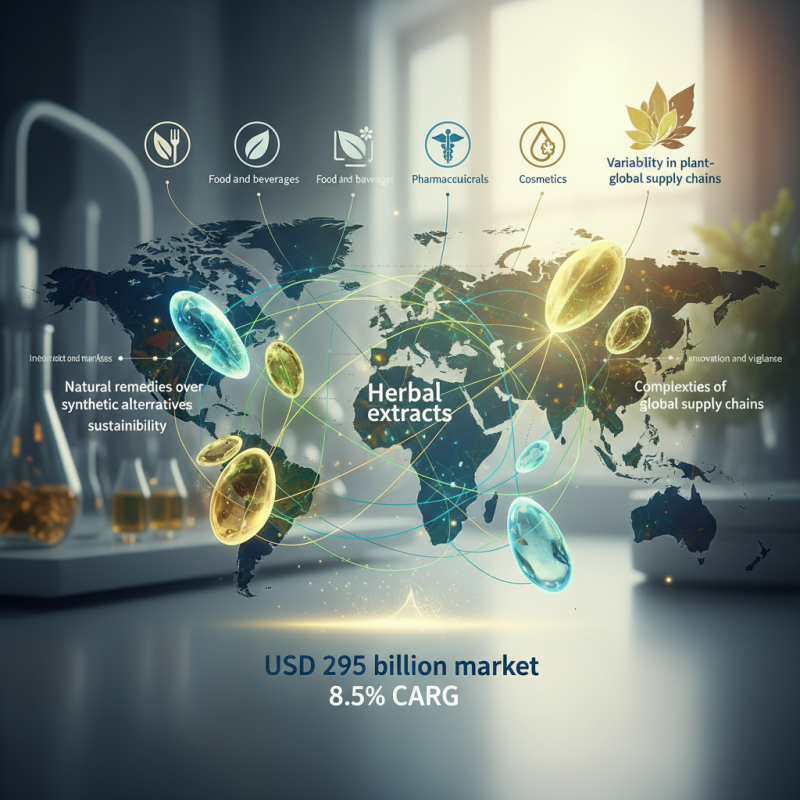
The Herbal Extract market is rapidly evolving, driven by consumer demand and innovative solutions. Recent reports indicate that the global herbal extract market is expected to reach USD 295 billion by 2026, reflecting a significant compound annual growth rate (CAGR) of 8.5%. This growth is fueled by an increasing preference for natural remedies over synthetic alternatives, particularly among health-conscious consumers.
Herbal extracts play a crucial role across various sectors, including food and beverages, pharmaceuticals, and cosmetics. The consistency and quality of these extracts are paramount. Buyers are increasingly seeking suppliers who demonstrate transparency and reliability in sourcing. However, challenges remain. Variability in plant quality and the complexities of global supply chains can affect product integrity. Reflecting on these issues is essential for sustained market growth.
Furthermore, sustainability is becoming a core concern for buyers. As eco-consciousness rises, there is a clear expectation for herbal extract sourcing to align with ethical practices. Meeting these expectations requires continuous assessment and adjustment in sourcing strategies. The future of the herbal extract market is promising but calls for vigilance and innovation to navigate potential pitfalls.
Emerging Herbal Extract Ingredients Dominating the Market in 2026
As we approach 2026, trends in herbal extracts reveal notable shifts. Buyers are increasingly interested in specific ingredients that promote health and well-being. Ingredients like adaptogens are gaining traction. These herbs help the body manage stress and enhance resilience. Their popularity stems from a growing awareness of mental health issues in modern society.
Another ingredient on the rise is turmeric. Known for its anti-inflammatory properties, turmeric is becoming mainstream in various sectors, including food and wellness. Consumers are seeking options that support overall health. Extracts from plants like ashwagandha and elderberry also show growing prominence. These herbs provide immune support, making them attractive options for buyers.
However, not all trends are flawless. Some herbal extracts might not have extensive clinical backing. Buyers must critically assess the efficacy and sourcing of these ingredients. Trustworthy suppliers are key to ensuring quality. The herbal extract landscape is evolving, and discerning choices will shape its future.
Innovative Extraction Technologies Transforming Herbal Extract Production
Innovative extraction technologies are shaping the herbal extract industry. These advancements enhance yield and retain bioactive compounds. For instance, techniques like supercritical fluid extraction and ultrasonic extraction are gaining traction. They offer efficient ways to extract valuable ingredients from plants. Users can expect higher purity and potency in the final products.
Sustainability is also a driving force in this transformation. Many companies are exploring eco-friendly methods. These approaches minimize waste and reduce energy consumption. However, they do require initial investment and research. It remains a challenge for smaller producers to adapt to these innovations.
Consumer preferences are evolving rapidly. Buyers now demand transparency and quality in herbal extracts. This shift compels producers to embrace new technologies. Yet, there is still a gap in widespread understanding. Not all producers possess the expertise to implement these innovative methods effectively.
Consumer Trends Influencing Herbal Extract Selection and Usage
In recent years, consumer preferences have shifted towards herbal extracts. According to a report by Grand View Research, the global herbal extract market is expected to reach $17 billion by 2026. This growth is driven by a heightened awareness of natural remedies and health benefits linked to herbal products. More consumers are seeking alternatives to synthetic ingredients. This trend points to a rising interest in organic and non-GMO extracts.
A significant driver of this interest is the growing demand for transparency in sourcing. Consumers want to know where their products come from. They are more inclined to choose brands that provide detailed information about their extraction processes and quality control. Additionally, younger generations, particularly millennials and Gen Z, show a preference for wellness-oriented products. This demographic often researches the effects of herbal extracts before incorporating them into their routines.
Furthermore, it’s essential to address some challenges. The industry faces issues related to standardization and quality assurance. Inconsistent potency and varying levels of active ingredients can affect consumer trust. A considerable percentage of users express concerns about product efficacy and safety. Brands must work on improving transparency and regulation compliance to build credibility.
Sustainability Practices in the Herbal Extract Supply Chain
The herbal extract supply chain is evolving, driven by sustainability concerns. Reports from industry analysts indicate that sustainable practices are becoming essential for global buyers. In 2026, buyers will prioritize suppliers who adopt eco-friendly methods. A study by the Sustainable Herbs Program notes that 75% of consumers are willing to pay more for sustainably sourced products.
Sourcing practices must also consider biodiversity. Overharvesting of herbs poses significant risks to ecosystems. Biodiversity-friendly sourcing is critical. Research from the Global Biodiversity Outlook highlights that nearly one million species face extinction. Responsible supply chains can help protect these species. Adopting transparency in sourcing can build consumer trust.
There are challenges as well. Not all suppliers are transparent yet. Some face difficulties meeting sustainability standards, which can lead to market gaps. Reports suggest that only 30% of herbal suppliers currently emphasize sustainability in their operations. These gaps could hinder growth and innovation. Global buyers must actively seek out those suppliers who prioritize eco-friendly practices and support them.
Top Herbal Extract Trends for Global Buyers in 2026 - Sustainability Practices in the Herbal Extract Supply Chain
| Trend | Description | Sustainability Aspect | Projected Growth Rate (%) |
| Organic Herbal Extracts | Increased demand for extracts sourced from certified organic plants. | Reduces pesticide usage, promotes biodiversity. | 12% |
| Plant-Based Supplements | Rising interest in herbal supplements over synthetic alternatives. | Encourages natural resource use, minimizes chemical production. | 15% |
| Eco-Friendly Packaging | Shift towards biodegradable and recyclable packaging materials. | Reduced landfill waste and carbon footprint. | 10% |
| Traceability Systems | Implementation of systems to track herbal products from farm to consumer. | Ensures sourcing standards are met, boosts consumer trust. | 8% |
| Water-Saving Extraction Technologies | Adoption of methods that reduce water usage in extract processing. | Conserves water resources, supports sustainable practices. | 11% |
Global Regulations Impacting Herbal Extract Trade and Quality Standards
Global regulations on herbal extracts are evolving rapidly. These changes have a significant impact on trade practices and quality standards. Buyers must stay informed about international laws. Non-compliance can lead to costly penalties or product recalls. Each country has its own regulations, making it essential to understand local requirements.
Monitoring changes in regulatory standards is crucial for global buyers. Documentation and traceability of herbal extracts are necessary for compliance. Being transparent about sourcing can build trust with consumers. However, navigating these regulations can be challenging. Not all suppliers are aware of the restrictions, which increases the risk for buyers.
Tips: Regularly review current regulations to avoid lapses. Consider collaborating with local experts or consultants who know these laws well. Ensure all documentation is accurate and up to date. Only work with suppliers who prioritize compliance and quality, as this fosters a reliable supply chain.