Home Textile Fabric Tips for Choosing the Best Materials?
Choosing the right home textile fabric can greatly enhance your living space. The proper fabric can evoke warmth and comfort. Reports show that 70% of consumers prioritize fabric quality. This decision affects aesthetics and functionality. Various textiles offer unique benefits, but not all are created equal.
Natural fibers like cotton and linen are popular due to their breathability. Synthetic fabrics like polyester offer durability and stain resistance. However, quality varies widely across brands. Many buyers often overlook the importance of fiber content and weave. It’s essential to understand how these aspects impact the longevity and feel of the materials.
Product labels can be misleading. Shoppers often face confusion when selecting textiles. Reports state that 50% of consumers cannot identify quality distinctions in fabrics. A lack of awareness can lead to dissatisfaction. Investing in home textile fabric should reflect both personal style and practical needs. Consider your environment to avoid unwise purchases. Each selection is a chance to express individuality while ensuring comfort and durability.
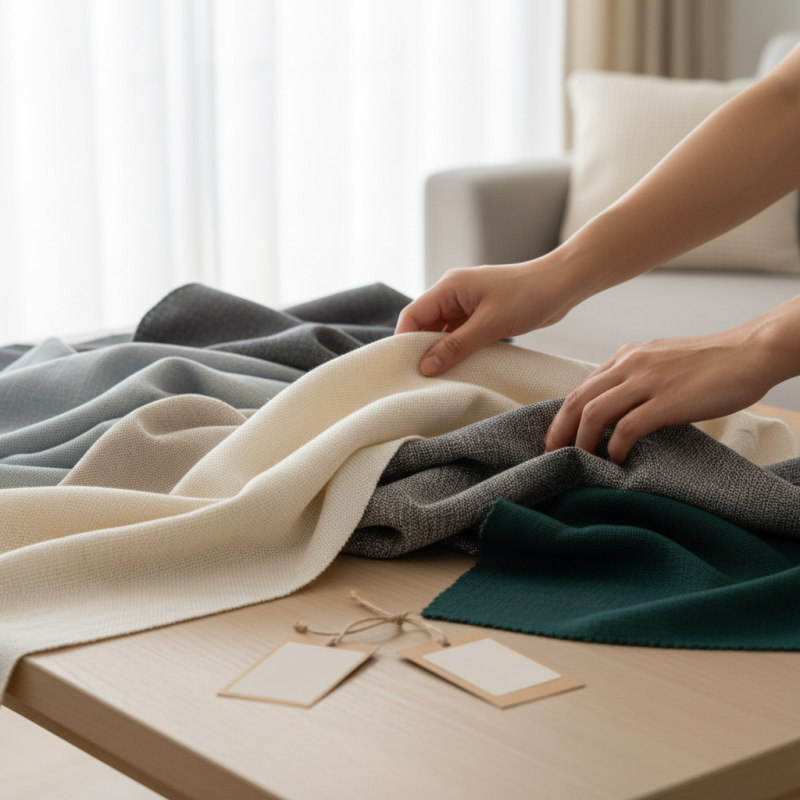
Choosing the Right Fabric: Key Considerations in Home Textiles
Choosing the right fabric for home textiles involves several key considerations. Material durability is crucial. For instance, the upholstery fabric market is projected to reach $28 billion by 2025, highlighting the demand for high-performance materials. Factors like abrasion resistance and colorfastness should be at the forefront. Fabrics that are rated for over 30,000 double rubs are often ideal for high-traffic areas.
Another important factor is maintenance. Some fabrics are easier to clean than others. For example, synthetic materials generally require less upkeep compared to natural fibers. A recent survey showed that 70% of consumers prefer fabrics that are stain-resistant. However, finding the perfect balance between aesthetics and practicality can be challenging. Not every homeowner values easy maintenance, which may lead to a compromise in style.
Moreover, considering sustainability is becoming essential. Many consumers are now looking for eco-friendly options. A report indicated that 43% of shoppers prioritize sustainability in their purchases. Nevertheless, eco-friendly fabrics can sometimes be pricier or less durable. This adds complexity to the decision-making process. Finding a sustainable fabric that also meets quality standards may require deeper research and careful thought.
Understanding Different Types of Fabrics: Natural vs. Synthetic Choices
Choosing the right fabrics for home textiles is crucial. It can transform your space. Understanding the difference between natural and synthetic fabrics is essential for making the best choices.
Natural fabrics, like cotton and linen, offer comfort and breathability. They are great for warm climates. However, they can be more susceptible to stains and wear. Synthetic fabrics, such as polyester, are durable and resistant to wrinkles. They often mimic natural fibers but may not provide the same comfort level.
Tips for Choosing Fabrics: Pay attention to the texture. Some fabrics feel amazing but may not hold up well. Conduct a burn test to check fabric composition. This helps differentiate between natural and synthetic. Also, consider the environment; certain fabrics may not be ideal for households with pets or small children. It’s important to reflect on what suits your lifestyle best.
Assessing Fabric Durability: What You Need to Know for Home Use
When choosing fabric for home textiles, durability is a key factor. Many people overlook this aspect. Fabrics like cotton are soft and breathable but may wear out quickly. On the other hand, materials like polyester or blends often resist stains and fading. Consider the specific use. A sofa cover requires sturdier fabric than a decorative cushion.
Assessing the durability involves different tests. Check the fabric weight; thicker materials tend to last longer. Look for tightly woven fabrics, as they usually won’t fray easily. Don’t forget about color fastness. Bright colors can fade under sunlight. It’s vital to think about maintenance as well. Some fabrics require special cleaning which might not be convenient.
Trial and error can lead to unexpected results. A fabric that seems durable may surprise you after washing. Pay attention to your lifestyle. If pets or kids are part of the picture, opt for easy-to-clean materials. Consider durability as a balance between comfort and practicality. Your choices affect your space's longevity and aesthetics.
Evaluating Comfort and Feel: The Importance of Fabric Texture
When selecting home textiles, the comfort and feel of the fabric are crucial. A recent report by the American Home Textiles Association states that 70% of consumers prioritize fabric texture in their buying decisions. This preference highlights the importance of tactile experience in our everyday environments. Soft, plush materials like cotton or linen often evoke feelings of warmth and relaxation. In contrast, harsher fabrics can create an uncomfortable atmosphere, especially in bedrooms or living areas.
Understanding fabric texture goes beyond mere touch. It significantly impacts durability and maintenance. For instance, delicate fabrics may feel luxurious but often require special care. According to a survey by Textile World, 45% of consumers express frustration with fabrics that don't withstand frequent washing. This leads to dissatisfaction, prompting a re-evaluation of initial choices. Not all textures are created equal, and it's essential to consider how the fabric will hold up over time.
Moreover, the emotional resonance of a fabric's texture should not be overlooked. A rough texture might evoke stress or discomfort, while softer options can enhance a sense of serenity. Up to 60% of consumers report that the sensory aspects of fabric influence their mood. As such, choosing home textiles is not merely a practical decision; it also involves a profound emotional connection to our surroundings.
Care and Maintenance Tips: Ensuring Longevity of Home Textile Fabrics
Choosing the right home textile fabrics is crucial for both comfort and style. However, it is equally important to care for these materials to ensure their longevity. A report by Textile World indicates that proper maintenance can extend the life of fabrics by up to 50%. This statistic highlights the importance of mindful care.
Regular cleaning is essential. Many fabrics can attract dust and allergens, negatively impacting air quality. Washable fabrics are ideal, but be cautious about temperature settings. Hot water can shrink or fade materials. A significant number of consumers overlook this detail, leading to premature wear.
Storage also plays a vital role. Fabrics left in damp conditions are prone to mold. A common mistake is neglecting to cover textiles in areas prone to moisture. Simple protective measures can prevent this damage. For example, using breathable storage bags can keep fabrics safe from humidity.
Finally, consider the impact of sunlight. UV rays can fade colors, weakening fibers. In a recent study, nearly 30% of homeowners did not implement any protective measures against sun damage. Simple steps like using sheer curtains can help mitigate this risk. Taking care of your home textiles not only maintains their beauty but also promotes a healthier living environment.