
Choosing Alpha Arbutin Powder in 2026 takes more than comparing prices or reading a bright product label. Small differences in identity, purity, storage, and documentation can affect how confidently a buyer evaluates a batch. The powder itself may look simple. The evidence behind it should not.
Start with traceable specifications. Check the stated assay, test method, batch number, manufacturing date, and recommended storage conditions. Request a recent certificate of analysis, then confirm that it matches the exact lot offered. Where available, review independent identity and contaminant testing. A polished certificate is useful, but it is not proof on its own. Ask who performed the tests and whether the supplier can explain unusual results in plain language.
Packaging deserves a close look. Moisture, heat, and repeated exposure to air may compromise sensitive ingredients, so sealed, light-protective packaging and clear handling guidance matter. Compare suppliers on consistency and responsiveness, not just cost per kilogram. A sample can help assess handling and compatibility, but it cannot replace proper laboratory checks. Small tests still matter.
This guide outlines practical questions for comparing grades, documents, suppliers, and storage practices. It also distinguishes useful evidence from marketing language, without treating any single specification as a guarantee of performance. Formulation needs vary, and product claims should be reviewed against current requirements in the intended market. There is no perfect shortcut. Even experienced buyers can miss a detail, which is why a documented review process is worth keeping.
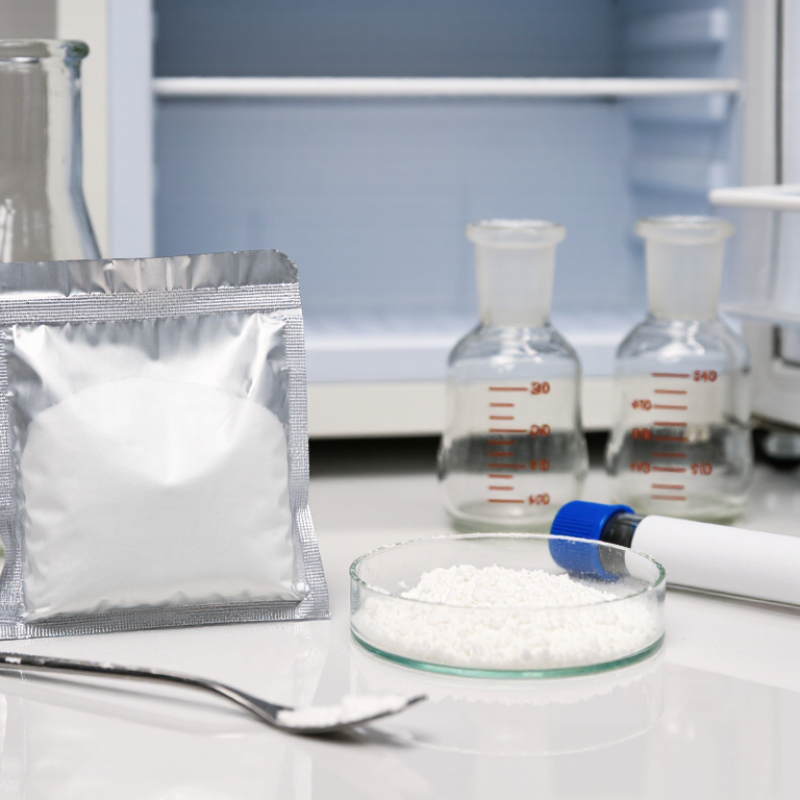
Alpha arbutin powder is a water-soluble skin-conditioning ingredient used in cosmetic formulas. Chemically, it is a glucose-bound form of hydroquinone. In skin, it can reduce tyrosinase activity, an enzyme involved in melanin production. The effect is gradual, not an instant change. Think of a measured amount dissolving into a clear serum, rather than a powder “bleaching” skin on contact. Results depend on the finished formula, use, and individual skin response.
The European Commission’s Scientific Committee on Consumer Safety assessed alpha-arbutin concentrations of up to 2% in face creams and 0.5% in body lotions as safe under its stated conditions. This is a useful formulation reference, not a guarantee for every product.
When choosing powder, check the certificate of analysis for identity, assay, moisture, and hydroquinone impurity limits. Ask how the material was tested and stored; light, heat, and damp handling can undermine quality. Small details matter. A high assay alone does not prove a stable, well-made formula, and suppliers’ specifications may differ. Review the finished product’s pH, compatibility, and stability data before drawing conclusions from the raw powder’s appearance.

In 2026, choosing alpha arbutin powder starts with checking what “purity” actually means on the supplier’s specification sheet. A figure such as 98% is useful only when the test method, batch number, and date are provided. Ask for a recent certificate of analysis, not just a product-page claim. Look for identity testing, assay results, moisture content, and limits for relevant impurities. Details matter.
Purity is not the whole story. A fine, free-flowing powder can be easier to weigh and disperse than material that clumps in its container, but appearance alone cannot confirm quality. Check solubility guidance, recommended storage conditions, and packaging details. Light- and moisture-resistant packaging can help protect a sensitive ingredient during storage. Compare the specification with your intended formulation, and request a representative batch sample when possible.
One caveat: a higher assay number does not automatically mean a better choice. Supplier testing can vary, and a polished document is not independent verification. Review traceability and quality-control procedures, then confirm that the powder performs consistently in your own formulation. Small details can be missed. Keep records of the batch and storage conditions; even careful buyers sometimes overlook them.
How to Evaluate Suppliers, Testing, and Product Authenticity
A reliable supplier should provide a current certificate of analysis for the specific batch, not a generic sample. Check the assay result, test method, manufacturing date, and retest or expiry date. Ask whether an independent laboratory verified identity and purity. A clear answer matters. So does traceability from production to shipment. If documents use inconsistent batch numbers or vague test descriptions, pause and request clarification.
Tips: Compare the certificate with the product label and shipping paperwork. Look for sealed, moisture-resistant packaging, intact lot codes, and storage guidance. Ask how the supplier controls humidity and heat during transport; powder quality can be affected by poor handling. Keep a retained sample and record the batch when evaluating material. One detail is easy to miss: a high assay value alone does not confirm identity or suitability for your formulation.
Authenticity takes more than polished paperwork. Request representative samples, then use qualified laboratory testing to confirm identity and assess relevant impurities before scale-up. Review the supplier’s quality procedures and how complaints or out-of-specification results are handled. Be cautious of unusually low prices, pressure to skip testing, or certificates that cannot be linked to a batch. Even careful checks have limits; no single document proves everything.
Choosing a grade starts with the finished formula, not a headline purity figure. For a water-based serum, check the supplier’s assay method, solubility data, and recommended processing conditions. Ask for a recent certificate of analysis showing identity, assay, moisture, and hydroquinone limits. A fine powder may disperse more easily, but particle size alone does not prove better performance. Test it in your own base.
Impurity control matters. The European Commission’s Scientific Committee on Consumer Safety (SCCS), in its 2023 opinion on alpha-arbutin, concluded that use up to 2% in face creams and 0.5% in body lotions is safe. It also stressed keeping hydroquinone impurities as low as technically achievable. These figures are safety conclusions for specified product types, not a universal formula or a substitute for a product-specific assessment.
Check batch consistency, packaging integrity, and storage guidance before scaling up. Request representative batch data, not only a polished specification sheet. Then assess color, clarity, and stability in pilot batches under realistic conditions. Small differences can show up after weeks of storage. That part is easy to overlook. A premium-sounding grade may still perform poorly in a particular emulsion, so document the results and reconsider your choice when the evidence does not fit.
When choosing alpha arbutin powder in 2026, treat safety paperwork as part of the ingredient, not an optional extra. Request a current certificate of analysis that identifies the material and reports purity, residual solvents, and relevant contaminants. Check that the batch number matches the packaging. A neat-looking label proves little.
Ask for a safety data sheet and clear handling guidance. Fine powder can become airborne when scooped, so use ventilation, gloves, and eye protection as directed. Avoid breathing dust. Keep it away from children and food-preparation areas. Supplier documents support a review; they do not replace a qualified safety assessment for a finished cosmetic or establish that a particular use is suitable for every person.
Storage affects quality. Keep the powder tightly sealed in its original, clearly labeled container, in a cool, dry place away from direct sunlight and moisture. Use a clean, dry scoop; a damp tool can introduce water and compromise the material. Check the stated shelf life and any temperature limits, and record when the container is opened. Regulatory requirements differ by market and product type. Confirm current local rules for cosmetic ingredients, labeling, safety substantiation, and notifications with a qualified regulatory professional. Paperwork can change. Recheck it before purchase, and be cautious if batch records or storage conditions are unclear.


All of Hapco's formulations are completely free of Mercury.

Hapco has been in business for over 50 years!
*NOTICE* Hapco will be will be closed on Monday, May 26th, in observance of Memorial Day. |
| Cookie | Duration | Description |
|---|---|---|
| cookielawinfo-checkbox-analytics | 11 months | This cookie is set by GDPR Cookie Consent plugin. The cookie is used to store the user consent for the cookies in the category "Analytics". |
| cookielawinfo-checkbox-functional | 11 months | The cookie is set by GDPR cookie consent to record the user consent for the cookies in the category "Functional". |
| cookielawinfo-checkbox-necessary | 11 months | This cookie is set by GDPR Cookie Consent plugin. The cookies is used to store the user consent for the cookies in the category "Necessary". |
| cookielawinfo-checkbox-others | 11 months | This cookie is set by GDPR Cookie Consent plugin. The cookie is used to store the user consent for the cookies in the category "Other. |
| cookielawinfo-checkbox-performance | 11 months | This cookie is set by GDPR Cookie Consent plugin. The cookie is used to store the user consent for the cookies in the category "Performance". |
| viewed_cookie_policy | 11 months | The cookie is set by the GDPR Cookie Consent plugin and is used to store whether or not user has consented to the use of cookies. It does not store any personal data. |