Skip to Content

Liquid Molding Monthly

How to Choose the Right Epoxy Coating?

Choosing the right Epoxy Coating begins with understanding the floor, not admiring a color chart. Concrete moisture, surface profile, temperature, chemical exposure, and traffic patterns all influence performance. A warehouse aisle needs different protection from a restaurant kitchen or a residential garage. That difference is easy to overlook.

“Coating performance depends on preparation as much as formulation,” says Dr. David M. Bastos, a coatings specialist known for studying polymer durability. His observation reflects a practical truth. Even premium epoxy can blister, peel, or turn cloudy when moisture remains inside the slab. Preparation matters.

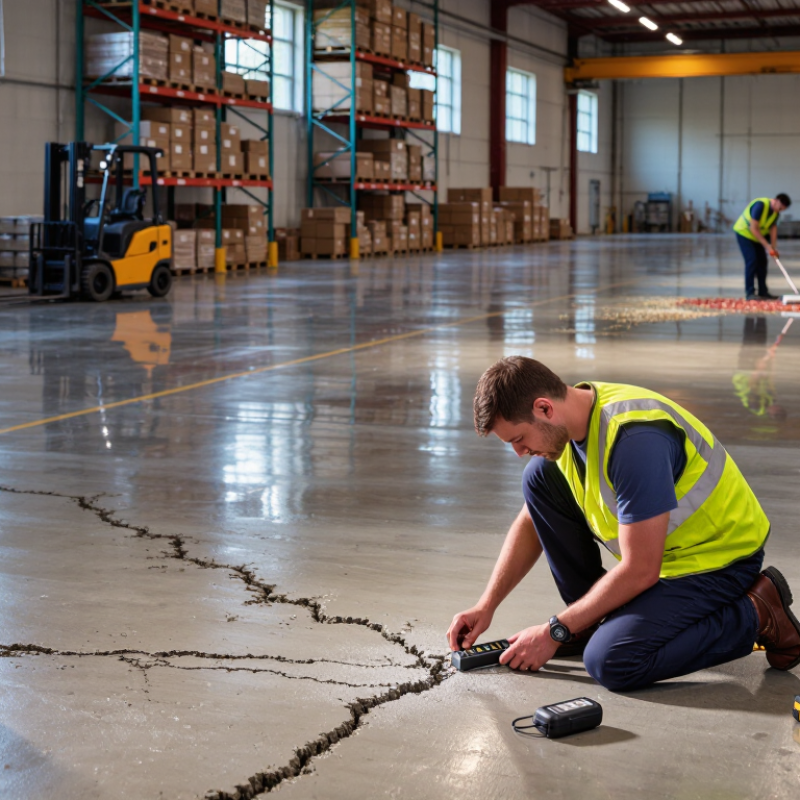
A reliable selection process starts with an on-site assessment. Check the concrete for oil stains, cracks, weak laitance, and rising moisture. A simple moisture test can prevent an expensive failure. Mechanical grinding usually creates a stronger bond than light cleaning alone. It also reveals defects that a glossy finish might hide.

Consider the service environment carefully. Forklifts, hot tires, cleaning chemicals, sunlight, and standing water each demand different properties. A high-build system may suit heavy traffic. A UV-stable topcoat may be necessary near open doors or windows. Decorative flakes can improve appearance, but they do not solve poor adhesion.

There is room for doubt here. Product labels often sound more impressive than field results. I have seen projects fail because installers rushed the curing stage. The uncomfortable lesson is simple: the best Epoxy Coating is not always the thickest or most expensive option. It is the system matched to the substrate, exposure, and workmanship. Reliable decisions require technical data, realistic expectations, and careful installation.
How to Choose the Right Epoxy Coating?

Understanding Epoxy Coating Types and Their Primary Uses

Choosing the right epoxy coating begins with understanding where it will be used. Water-based epoxy produces lower odor and suits light-duty areas, such as storage rooms and small workshops. It is easier to apply, but it may provide less chemical resistance. Solvent-based epoxy penetrates porous concrete more effectively and often performs better in demanding maintenance spaces. Ventilation is essential during application.

100% solids epoxy contains little or no evaporating solvent. It creates a thicker film and works well in warehouses, garages, and industrial floors. These coatings can hide minor surface defects, but they cannot repair weak concrete. Novolac epoxy offers stronger resistance to acids, solvents, and high temperatures. It is more appropriate for processing rooms or chemical-handling areas. Anti-slip aggregate may be needed near wash stations.

Surface preparation decides much of the final result. Concrete should be clean, dry, sound, and free from curing compounds. Moisture testing is not optional. A damp slab can cause blistering, even when the coating looks perfect at first. I have seen attractive floors fail because preparation was rushed. That mistake is easy to repeat. Consider traffic, chemical exposure, sunlight, cleaning methods, and expected service life before selecting the system. On exterior surfaces, epoxy may yellow or degrade under ultraviolet exposure, so another protective layer could be necessary. Temperature matters too. Cold conditions slow curing, while excessive heat shortens working time.

Assessing Surface Conditions and Environmental Requirements

Choosing the right epoxy coating begins with understanding the surface, not the product label. Concrete must be structurally sound, clean, and free from curing compounds, oil, dust, and loose particles. I usually inspect several areas, because one dry corner can hide moisture elsewhere. A visual check is not enough.

Moisture testing matters. Excess vapor can cause blistering, peeling, or cloudy patches after application. Check the slab’s moisture level and compare it with the coating’s technical requirements. Surface preparation may include diamond grinding, shot blasting, or mechanical cleaning. The goal is a slightly open profile that allows proper adhesion. It should feel textured, not polished.

Environmental conditions can change the result quickly. Record air temperature, slab temperature, humidity, and dew point before mixing materials. The surface should remain safely above the dew point during application and early curing. Poor ventilation may extend curing and trap odors. Strong airflow can introduce dust into the wet film. I once trusted a warm afternoon and ignored a cooling concrete floor; the coating later cured unevenly. That mistake was avoidable.

Plan around the building, too. Kitchens, warehouses, and workshops may need different chemical resistance, slip resistance, and cleaning performance. Test a small area when the substrate is uncertain. It takes time. It can prevent an expensive failure. A qualified applicator should document readings, preparation methods, batch details, and curing conditions for reliable quality control.

Comparing Performance Features, Durability, and Appearance

How to Choose the Right Epoxy Coating?

Choosing an epoxy coating starts with the working environment, not the color chart. In site inspections, I check traffic, chemical exposure, moisture, and cleaning methods. A warehouse floor needs abrasion resistance for forklifts and pallet wheels. A workshop may need stronger resistance to oils, solvents, and dropped tools. Slip resistance also matters where water or grease is common. Measure twice.

Durability depends heavily on surface preparation. Concrete must be clean, dry, and mechanically sound before application. Moisture vapor can weaken adhesion and create bubbling beneath the film. I have seen a well-formulated coating fail because the slab was rushed. That mistake is easy to repeat. Follow the technical data sheet, and confirm conditions with moisture testing. Thicker layers are not automatically better.

Appearance still influences maintenance and workplace confidence. Glossy surfaces reflect more light and reveal dust, scratches, and uneven preparation. Satin finishes can hide minor marks, but they may look less dramatic. Light colors improve visibility, while darker shades can emphasize tire marks. Color stability also matters near windows, where ultraviolet exposure may cause yellowing. Not always attractive. During selection, compare sample panels under actual lighting, then balance visual appeal against performance requirements. A perfect finish is unrealistic when the substrate is neglected.

How to Choose the Right Epoxy Coating? – Comparing Performance Features, Durability, and Appearance

Epoxy Coating Type Typical Film Thickness Performance Features Durability Chemical and Moisture Resistance Appearance Best-Fit Applications
Water-Based Epoxy Approximately 100–250 micrometres per coat Low odour, easier application, good adhesion to properly prepared concrete, and relatively fast drying. Moderate
Suitable for light to medium foot traffic when correctly installed.
Good resistance to water and mild chemicals; less suitable for prolonged immersion or aggressive chemical exposure. Low- to medium-gloss finish; generally available in standard colours. Garages, utility rooms, workshops, and occupied buildings where odour control matters.
Solvent-Based Epoxy Approximately 150–300 micrometres per coat Good wetting and penetration, practical application on many prepared concrete surfaces, and good flow characteristics. Moderate to high
Performs well under regular pedestrian and light vehicle traffic.
Good resistance to water, oils, and many common chemicals; ventilation is required during application. Usually a smooth, glossy finish with good colour uniformity. Workshops, storage areas, service corridors, and light industrial floors with suitable ventilation.
100% Solids Epoxy Approximately 1–3 millimetres for a high-build system High-build protection, very low volatile organic compound content, strong bond strength, and excellent wear performance. High
Suitable for frequent foot traffic, forklifts, and moderate impact when the substrate is sound.
Very good resistance to water, oils, fuels, and many acids and alkalis; chemical compatibility should be verified for each exposure. High-gloss, seamless finish; decorative flakes or coloured aggregates can improve texture and visual depth. Warehouses, manufacturing areas, commercial garages, laboratories, and heavy-use service spaces.
Epoxy Mortar Approximately 3–9 millimetres Very high build, excellent impact tolerance, strong resistance to thermal shock, and the ability to repair or level damaged concrete. Very high
Designed for severe traffic, abrasion, impact, and demanding service conditions.
Excellent resistance to many chemicals, oils, moisture, and repeated cleaning; specific chemical exposure must be reviewed. Usually a textured, practical finish rather than a decorative high-gloss appearance. Food-processing areas, loading zones, ramps, workshops, and heavy industrial floors.
Epoxy Primer with Polyurethane Topcoat Approximately 0.5–2 millimetres total system thickness Combines epoxy adhesion and build with improved colour stability, flexibility, and weathering performance from the topcoat. High
Good resistance to abrasion and outdoor exposure when the complete system is correctly specified.
Good resistance to moisture, oils, and many chemicals; the topcoat improves protection against surface degradation. Gloss, satin, or matt options; better colour retention than exposed epoxy in sunlight. Sunlit interiors, covered outdoor areas, parking structures, walkways, and facilities needing improved colour retention.
Decorative Flake Epoxy System Approximately 1–3 millimetres, depending on broadcast and clear-coat layers Seamless surface, improved slip resistance when textured, and the ability to conceal minor substrate colour variation. Moderate to high
Performance depends on the base coat, flake broadcast, and protective topcoat.
Good resistance to water, stains, oils, and routine cleaning chemicals when sealed with a compatible topcoat. Multicoloured decorative appearance with gloss, satin, or matt clear finishes. Retail spaces, showrooms, garages, offices, clinics, and residential utility areas.

Selection guidance: Choose the coating according to traffic level, chemical exposure, moisture conditions, desired appearance, installation environment, and maintenance requirements.

Important: Epoxy can chalk, yellow, or lose gloss under prolonged ultraviolet exposure. For regularly sun-exposed areas, specify a compatible UV-resistant polyurethane or polyaspartic topcoat.

Performance note: Thickness ranges and service ratings are representative values. Actual performance depends on concrete preparation, substrate moisture, product formulation, installation quality, curing conditions, and ongoing maintenance.

Selecting the Right Application Method and Product Specifications

How to Choose the Right Epoxy Coating?

Selecting the right application method starts with the substrate, not the product label. Check moisture, surface profile, temperature, and contamination before mixing. ICRI 310.2R recommends matching surface preparation to coating performance. A smooth, dusty slab may look ready, but it can cause early peeling.

Application Method Application method changes the final result. A squeegee helps spread high-build material across broad floors. Back-rolling then removes ridges and uneven thickness. Rollers suit smaller areas, while plural-component spraying can improve speed on large projects. Spraying needs trained operators and strict control. It is not always the fastest option.

Technical Data Review Review the technical data sheet closely. Compare solids content, viscosity, pot life, recoat window, coverage, and required dry-film thickness. BCC Research estimated the global epoxy resin market at about USD 11.4 billion in 2023, reflecting strong demand across industrial flooring and protection. Yet market growth does not guarantee a suitable coating. The wrong product can fail in a week.

Measure substrate moisture with a documented method. Record air temperature, floor temperature, and humidity. ASTM guidance and SSPC-PA 2 practices can support thickness verification. I prefer small test areas before full installation. They reveal surprises. Sometimes, my first application choice is wrong. A slower roller system may produce better texture control than spraying in a confined space. Product specifications should follow site conditions, not convenience.

Planning Installation, Maintenance, and Long-Term Performance

Choosing an epoxy coating starts before the first roller touches concrete. Field experience shows that most failures begin with preparation, not chemistry. Test slab moisture with ASTM F2170 or F1869 methods. Remove laitance, oil, dust, and weak concrete. Repair cracks, then profile the surface mechanically. A clean-looking floor is not always ready.

Installation conditions matter. Record temperature, humidity, dew point, and substrate readings throughout the work. Poor ventilation can slow curing and trap odors indoors. The AMPP IMPACT study estimated global corrosion costs at about $2.5 trillion annually, or 3.4% of global GDP. This figure supports lifecycle planning, even though epoxy flooring is only one protective application. Choose film thickness according to traffic, chemicals, impact, and cleaning methods. Thin systems may look attractive. They may not survive pallet trucks.

Maintenance should be designed before handover. Schedule sweeping, neutral cleaning, prompt spill removal, and monthly inspections near joints and drains. Avoid harsh tools that scratch the surface. The U.S. Bureau of Labor Statistics recorded 885 fatal workplace falls, slips, and trips in 2023. Slip resistance therefore deserves regular verification, especially in wet areas. Document repairs with photographs and readings. I have seen teams postpone small blisters until moisture spreads underneath. That was avoidable. Yet maintenance plans often fail because nobody owns them. Assign responsibility, review traffic changes, and reassess the coating after seasonal temperature shifts.

How to Choose the Right Epoxy Coating?

Typical minimum waiting times for key epoxy floor milestones

Proper planning should allow time for substrate preparation, coating application, curing, and gradual return to service. Light foot traffic is often possible after about 24 hours, while wheeled traffic and chemical exposure generally require longer curing periods. Actual times depend on product formulation, temperature, humidity, coating thickness, and the technical data sheet.

100% Mercury Free

100% Mercury Free

All of Hapco's formulations are completely free of Mercury.

50 Year Track Record

50 Year Track Record

Hapco has been in business for over 50 years!

ISO Certified

Higher Quality. More Efficiency. View Certificate

Technical Expertise

Hapco's employees are knowledgeable and ready to help.

Join Our Mailing List

Get the latest news, updates, and articles from Hapco, Inc.

Join Now