What is HPMC and How is it Used in Various Industries?
Hydroxypropyl methylcellulose, or HPMC, is a versatile cellulose derivative. It is widely used in various industries for its unique properties. This compound offers excellent thickening, binding, and film-forming capabilities. Due to its non-ionic nature, HPMC can act effectively in diverse environments.
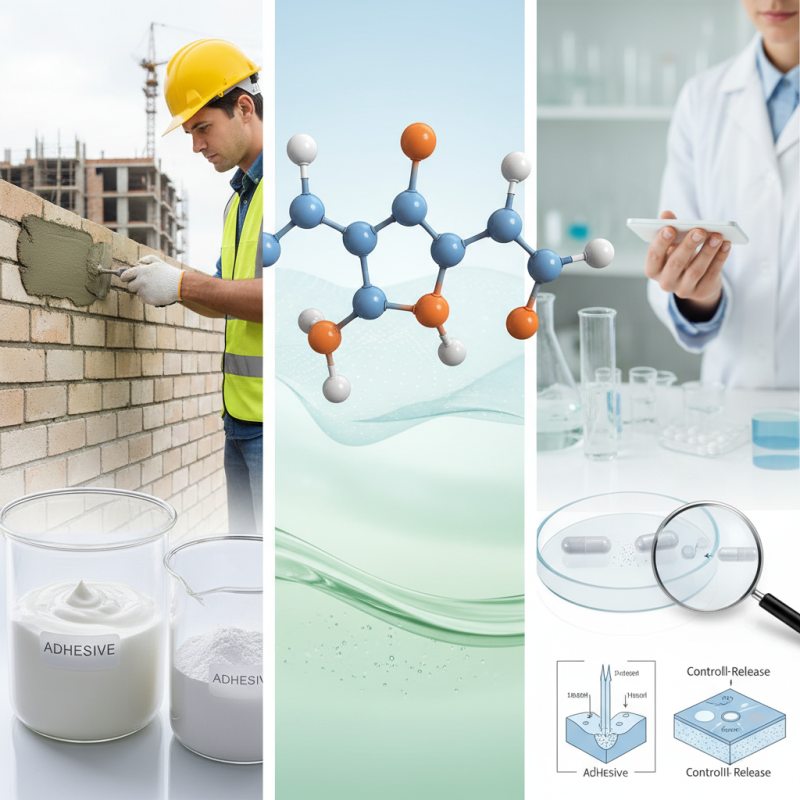
In construction, HPMC is a key ingredient in adhesives and sealants. It improves workability and enhances the adhesion properties of materials. In pharmaceutical applications, HPMC serves as a stabilizer in formulations. It helps in controlled release processes, making medications more effective.
Despite its benefits, the use of HPMC does have challenges. Sourcing high-quality raw materials can be a concern. Additionally, understanding the specific formulations needed for different applications requires expertise. The innovations around HPMC continue to evolve, pushing the boundaries of its potential use. There remains a need to reflect on its impact and applications across various sectors.
What is HPMC and Its Chemical Composition?
HPMC, or hydroxypropyl methylcellulose, is a synthetic polymer. It is a derivative of cellulose, structured through the modification of cellulose molecules. HPMC has an interesting chemical composition. It is composed of hydroxypropyl and methyl groups, which enhance its solubility and film-forming capability. This property makes it a go-to in various industries.
In the construction sector, HPMC serves as a thickener in cement-based products. A report by Global Market Insights indicated that the demand for HPMC in construction is projected to reach over 700 million USD by 2026. This illustrates the significant role of HPMC in improving workability. However, challenges exist. The quality of HPMC can vary among suppliers, leading to inconsistent performance in construction materials.
In pharmaceuticals, HPMC acts as a binder and controlled-release agent in tablets. According to research, approximately 10% of the global pharmaceutical market uses HPMC for this purpose. However, the sourcing of high-purity HPMC can be troublesome. When using HPMC in food products, it is essential to ensure compliance with regulations. The need for greater transparency in sourcing is crucial.
What is HPMC and How is it Used in Various Industries?
| Industry | Application | Benefits of HPMC |
| Construction | Used as a thickener and water-retaining agent in mortars and adhesives. | Improves workability and prolongs setting time. |
| Pharmaceutical | Serves as a binder and coating agent in tablets. | Enhances drug delivery and controls the release of active ingredients. |
| Food | Used as a food additive for thickening and emulsifying. | Improves texture and stability of food products. |
| Cosmetics | Acts as a thickener and stabilizer in creams and lotions. | Enhances the feel and consistency of cosmetic products. |
| Agriculture | Used in seed coatings and soil conditioners. | Improves seed germination and nutrient retention in soil. |
The Properties and Characteristics of HPMC
Hydroxypropyl methylcellulose (HPMC) is a versatile polymer with unique properties. It is odorless and free-flowing. This white powder is soluble in cold water. HPMC forms a gel-like substance when it dissolves. This capability enhances its use in various applications.
The most notable characteristic of HPMC is its thickening ability. It creates viscosity in liquids. This property makes it ideal for the food industry. In pharmaceuticals, HPMC serves as a binder in tablet production. Its film-forming nature is valuable in coatings, improving stability and shelf life.
However, HPMC is not without challenges. Its solubility can be temperature-sensitive. Sometimes it does not dissolve as expected. This inconsistency can lead to formulation difficulties. Thoughtful adjustments are often necessary to achieve desired outcomes. That said, when used correctly, HPMC can elevate product quality across industries.
Common Applications of HPMC in the Construction Industry
HPMC, or hydroxypropyl methylcellulose, is a versatile polymer with significant uses in the construction industry. This compound acts as a key additive in various building materials, especially in drywall joint compounds and tile adhesives. It improves workability, increases adhesion, and enhances water retention. Workers appreciate its smooth application, which reduces wastage and labor time.
In concrete formulations, HPMC helps control the consistency and flow. It provides a creamy texture that makes application effortless. However, not all formulations benefit equally from HPMC. Sometimes, too much can lead to slumping or separation. It requires careful measuring for optimal results.
In plastering and rendering, HPMC improves flexibility and reduces cracking. With the right amount, it allows surfaces to breathe, preventing moisture issues. Yet, using HPMC also has its challenges. Improper ratios can weaken the overall structure. Therefore, consistent testing and adjustments are necessary to achieve the desired performance. Balancing HPMC in construction applications is a continual learning process.
Uses of HPMC in Pharmaceuticals and Food Industries
Hydroxypropyl methylcellulose (HPMC) is a versatile polymer widely used in the pharmaceutical and food industries. In pharmaceuticals, it acts as a binder and a controlled-release agent. This helps improve the efficacy of medications. HPMC is also a thickening agent. It enhances the texture of various formulations. Its ability to retain moisture is crucial in formulations like gels and creams.
In the food industry, HPMC plays an important role as a food stabilizer and emulsifier. It can help maintain the consistency of sauces and dressings. Moreover, it serves as a fat replacer in reduced-calorie products. This capability matters for those seeking healthier options. HPMC's use in gluten-free products is worth noting too. It mimics the properties of gluten, providing necessary structure.
The versatility of HPMC also raises questions. Are all applications meeting the desired standards? How does HPMC affect the nutritional profile of food? These reflections can guide further innovations. As industries evolve, it’s crucial to assess the implications of HPMC use comprehensively. Each application deserves scrutiny to ensure safety and effectiveness.
Environmental Impact and Safety Considerations of HPMC Usage
Hydroxypropyl methylcellulose (HPMC) is widely used across different sectors. However, its environmental impact is a growing concern. HPMC is a synthetic polymer that can accumulate in water bodies. Improper disposal of products containing HPMC may lead to environmental contamination. This raises questions about its biodegradability.
When discussing safety considerations, it's vital to consider its impact on health. While HPMC is generally regarded as safe for use, some individuals may have allergic reactions. This can potentially complicate its use in consumer products. Moreover, the manufacturing process of HPMC involves chemicals that can have adverse effects on the environment if not managed properly.
In industries such as construction and food, the reliance on HPMC poses challenges. Alternatives exist but may not offer the same performance. Balancing functionality and environmental safety is crucial. It requires ongoing innovation to find eco-friendly substitutes. Addressing these concerns can lead to more sustainable practices within various industries.
Usage of HPMC Across Various Industries
This chart illustrates the percentage usage of HPMC (Hydroxypropyl Methylcellulose) across various industries such as Construction, Pharmaceuticals, Food Industry, Cosmetics, and Agriculture. HPMC is a versatile compound widely used for its binding, thickening, and film-forming properties.