Why Are Drink Cans Popular for Beverages?
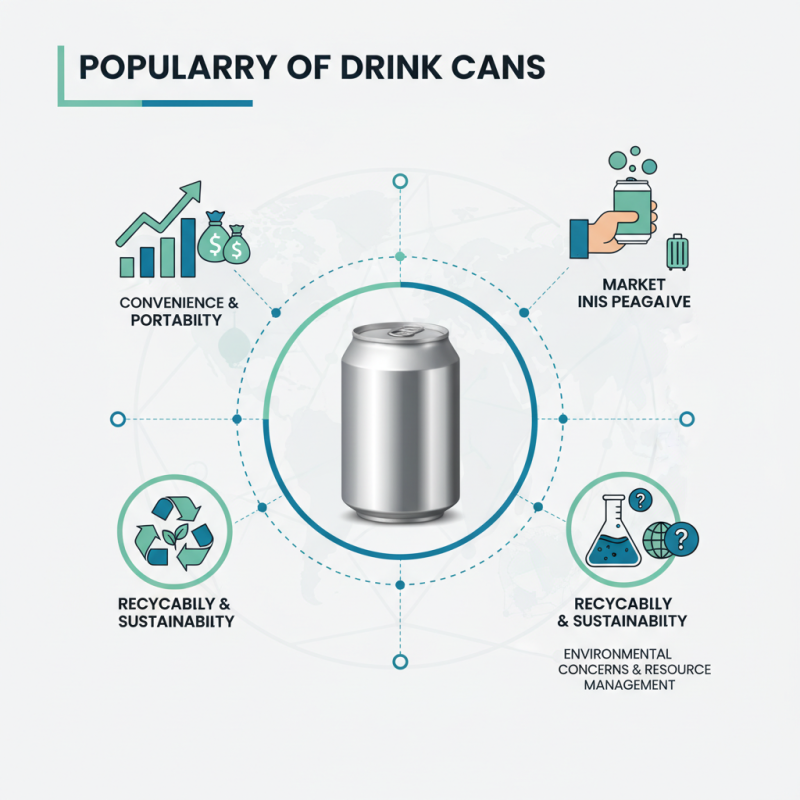
The popularity of Drink Cans has surged in recent years, reshaping the beverage industry. According to a report by IBISWorld, the global beverage can market reached a value of $16 billion in 2022, growing steadily at a rate of 4.2% annually. This growth reflects consumers' increasing preference for convenience and portability. Beverage cans are lightweight, easy to store, and recyclable, making them an attractive option.
"Drink Cans provide a perfect balance between sustainability and consumer appeal," notes Dr. Emily Nash, an industry expert at the Beverage Can Manufacturers Association. Her insight highlights the essential role of eco-friendliness in consumer choices today. However, despite these advantages, the industry's reliance on aluminum raises concerns about environmental impact and resource management.
As drink cans dominate shelves worldwide, questions arise about their long-term sustainability. Are we truly prioritizing recycling? Can we innovate more sustainable materials? While the current trend favors drink cans, exploring alternative packaging could be crucial for future growth. The journey ahead may require deeper reflections on our choices within this thriving market.
Evolution of Beverage Packaging: A Historical Perspective
The history of beverage packaging tells a compelling story. In the early 19th century, glass bottles were the primary choice for drinks. They were fragile and heavy, making transportation difficult. People often broke bottles during travel. This led to challenges in maintaining drink quality.
As manufacturing improved, metal cans emerged. The first canned beverages appeared around the 1930s. They offered a lightweight alternative to glass. Cans were easier to ship and store. Special coatings protected the beverages from reacting with the metal. This innovation transformed the industry.
Despite their popularity, cans are not without flaws. They can rust if stored improperly. Some people dislike the metallic taste. Yet, the convenience of cans keeps them in high demand. They are recyclable, making them a preferred choice for many. This blend of advantages and drawbacks illustrates the ongoing evolution of beverage packaging.
Material Advantages of Aluminum Cans Over Other Packaging Options
Aluminum cans have gained immense popularity as beverage containers. Their material advantages over other packaging options make them a top choice for consumers and manufacturers alike. According to a study from the Aluminum Association, 75% of all aluminum produced is still in use today. This reflects its recyclability, a vital attribute in today’s eco-conscious market.
One significant benefit of aluminum is its lightweight nature. Cans are much lighter than glass bottles. This means lower transportation costs and reduced carbon footprints for beverage companies. Additionally, aluminum provides an excellent barrier to light and oxygen, keeping drinks fresher for longer periods. A report by the Beverage Marketing Corporation indicates that aluminum cans preserve the taste of beverages better than plastic alternatives.
Tips: Always recycle your aluminum cans. This contributes to reducing waste and energy consumption. Did you know that recycling one aluminum can saves enough energy to power a TV for three hours?
While aluminum is advantageous, there are downsides. Production can be energy-intensive, which poses environmental concerns. However, ongoing innovations aim to mitigate this impact. Choosing aluminum is a step towards sustainability, but awareness and action are crucial.
Consumer Preferences: Why Cans Are a Popular Choice
When it comes to beverage packaging, cans have carved a niche in consumer preferences. A recent industry report from IBISWorld indicates that the global market for beverage cans is projected to reach $50 billion by 2025. This growth is attributed to the lightweight nature and recyclability of aluminum cans. Often, consumers prefer cans because they are easy to hold and dispose of.
Tips: Consider the environmental impact of your choices. Cans are 100% recyclable, making them a sustainable option. Recycling one can saves enough energy to power a television for three hours.
Another reason cans are favored is their ability to preserve flavor. Studies show that cans protect beverages from light and oxygen, two culprits that can compromise taste. A survey by Beverage Industry found that 75% of consumers appreciate the freshness offered by canned drinks. However, some people may struggle with the metallic taste that can affect certain beverages. This aspect raises a valid point for continuous improvements in can manufacturing.
Tips: When enjoying your favorite canned beverage, a cold drink often tastes better and masks any metallic flavor. Try chilling your cans before opening them for an enhanced experience.
Environmental Impact of Drink Cans and Recycling Benefits
Cans are lightweight and convenient. They are made from materials that can be recycled easily. This recycling process significantly reduces waste. Moreover, recycling cans saves energy compared to producing new ones.
The environmental impact of drink cans is notable. An aluminum can is infinitely recyclable without losing quality. This means fewer resources are needed over time. Yet, many cans still end up in landfills. This highlights the need for better recycling habits.
Tips: Always rinse your cans before recycling them. This helps prevent contamination. Use dedicated bins to make the process easier. Just remember, not every recycling facility accepts all types of cans. Check your local guidelines to ensure they are properly recycled.
Why Are Drink Cans Popular for Beverages? - Environmental Impact of Drink Cans and Recycling Benefits
| Dimension | Data |
| Average Weight (g) | 15 |
| Recycling Rate (%) | 69 |
| Energy Saved per Recycled Can (kWh) | 0.95 |
| CO2 Emissions Reduced per Recycled Can (g) | 0.50 |
| Market Share of Cans (%) | 49 |
| Average Recycling Time (months) | 2 |
Marketing Strategies Enhancing the Popularity of Canned Beverages
Canned beverages have surged in popularity due to effective marketing strategies. Manufacturers leverage eye-catching designs. Bright colors and unique artwork invite consumers to reach for a can. This visual appeal captures attention on crowded shelves. In a world full of choices, aesthetics matter.
Moreover, storytelling plays a vital role. Advertisements portray the lifestyle associated with the product. Consumers want to feel a connection. They often buy what resonates with them. Clever campaigns spotlight moments like parties, picnics, and gatherings. These images create desire and make the beverages seem essential.
However, not all strategies may hit the mark. Overlooking sustainability can backfire. Many consumers now prioritize eco-friendly options. If brands fail to consider this, they may risk alienating a growing demographic. Transparency in sourcing and production is increasingly important. Brands must reflect on their practices to stay relevant.