What is the Role of Robots in Injection Molding Machines?
Injection molding is a vital process in manufacturing, especially in the plastics industry. According to a report by MarketsandMarkets, the injection molding market is projected to reach $300 billion by 2026. This growth reflects the increasing demand for precision and efficiency in production. A significant advancement in this field is the integration of robotics. An Injection Molding Machine With Robot capabilities enhances productivity and reduces labor costs.
Robots in injection molding systems perform tasks such as part removal, assembly, and packaging. This automation leads to higher output and improved accuracy. A study from the International Federation of Robotics reported a 20% increase in production rates when robots are used. However, companies must reflect on their workforce dynamics, as automation can lead to job displacement.
The robotics market is evolving. Companies are exploring new technologies to enhance these machines further. For example, collaborative robots can work alongside humans, ensuring safety and efficiency. Yet, the reliance on technology raises questions about potential failures and maintenance costs. Balancing automation and human labor remains a critical challenge in the industry.
Overview of Injection Molding Machines and Their Components
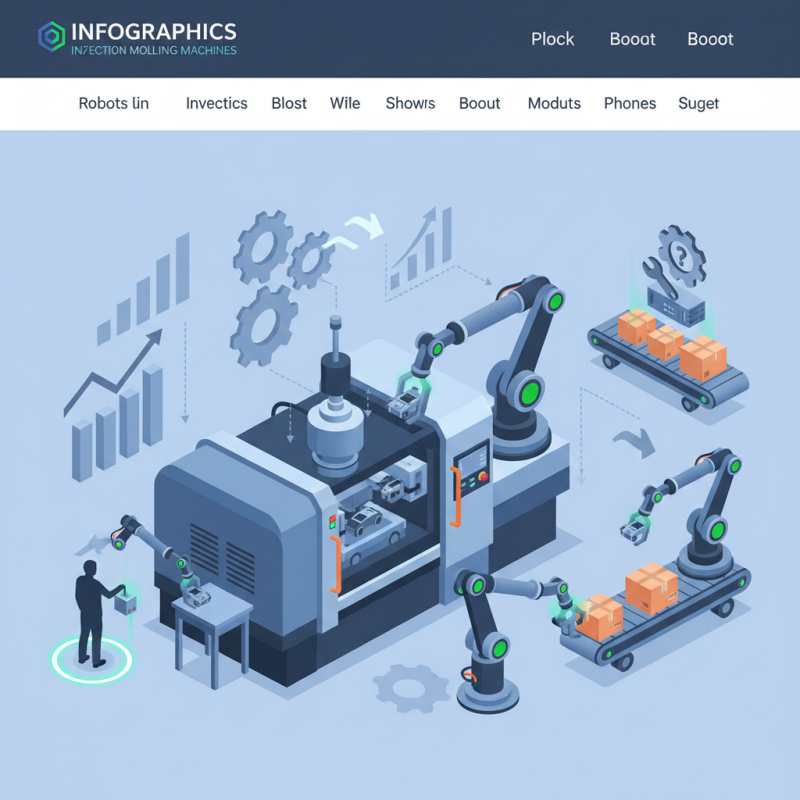
Injection molding machines are essential in modern manufacturing. They use heat and pressure to shape liquid plastics into finished products. The machine consists of several key components that work together to ensure efficiency and precision. The injection unit melts the resin and injects it into a mold. This mold defines the shape of the final product.
The clamping unit is crucial as well. It holds the mold in place during the injection process. This unit applies significant force to prevent leakage of material. Many machines also have a control system that monitors temperature and pressure. This system requires careful calibration. Mistakes here can lead to inconsistent product quality.
While robots play a supportive role in these machines, their integration is not always seamless. They assist in loading, unloading, and transporting parts. However, not every facility has the necessary infrastructure for robotic systems. Some operators may struggle with programming. This can hinder efficiency and complicate the production process. It’s important to find a balance between automation and manual oversight.
Role of Robots in the Automation of Injection Molding Processes
Robots play a significant role in the automation of injection molding processes. They streamline production workflows. By handling tasks like loading and unloading, they enhance efficiency and reduce downtime. This improves overall productivity on the factory floor. Robots can manage multiple tasks simultaneously, allowing for quick adjustments.
However, not all implementations are perfect. Some manufacturers struggle with integration. This can lead to mismatched robotic systems and production goals. Moreover, the initial investment in robotic systems can be daunting. Maintenance requires regular attention, which some companies overlook. It's essential to weigh the benefits against these challenges carefully.
Incorporating robots often means redefining workforce roles. Workers may need new skills to adapt. This shift can create resistance and uncertainty. As companies navigate these transitions, open communication is vital. Engaging all stakeholders reduces friction and aligns objectives more clearly.
Types of Robots Used in Injection Molding Applications
Robots play a vital role in injection molding machines. They enhance efficiency and quality in production processes. Various types of robots are used in these applications. The most common types include Cartesian robots, SCARA robots, and articulated robots.
Cartesian robots are known for their linear movement, best suited for simple pick-and-place tasks. They are often used for loading and unloading molds.
SCARA robots have a unique arm design, allowing horizontal reach. They excel in assembly and precision tasks.
Articulated robots offer a wide range of motion. They are ideal for complex operations, such as intricate assembly and finishing tasks.
When choosing a robot for your injection molding process, consider its payload and reach. Ensure it can handle the size and weight of your components. Also, think about the workspace. A cluttered area can limit the robot's movement. Regular maintenance is also crucial for optimal performance.
Tip: Always assess the specific needs of your application. A robot that fits one scenario may not work well in another. Experimentation may be required to find the perfect match.
Benefits of Integrating Robots into Injection Molding Operations
Integrating robots into injection molding operations brings many advantages. Automation enhances efficiency by reducing cycle times. Robots can quickly transport parts, leading to faster production rates. This speed is crucial for meeting demand in competitive markets. Operators also notice fewer manual errors with robotic handling. Reduced human intervention minimizes risks of damage or contamination.
Another benefit is the ability to perform complex tasks. Robots can execute precise movements and repeat them consistently. This level of precision is difficult to achieve by human workers alone. In handling intricate molds, robots excel without fatigue. However, relying solely on automation raises questions about job displacement. Employees may fear losing their roles as robots take over mundane tasks. Balancing automation and human labor remains a critical consideration.
Safety improvements are also significant. Robots can handle heavy materials, shielding workers from potential injuries. Yet, there are challenges in integrating these systems. Initial setup costs can be high. Moreover, training staff to work alongside robots requires time and investment. These factors must be weighed against the long-term benefits of enhanced productivity and safety.
What is the Role of Robots in Injection Molding Machines? - Benefits of Integrating Robots into Injection Molding Operations
| Benefit | Description | Impact on Production |
| Increased Efficiency | Robots can operate continuously without breaks, significantly reducing cycle times. | Up to 30% faster production rates. |
| Consistency and Precision | Robots perform tasks with high precision, ensuring uniform product quality. | Reduction in defects by 15-20%. |
| Labor Cost Savings | Automation reduces the need for manual labor, cutting overall labor costs. | Cost reduction of around 25% in labor expenses. |
| Safety Improvements | Robots can handle dangerous tasks, improving workplace safety for operators. | Decrease in workplace accidents. |
| Flexibility | Robots can be programmed for various tasks, adapting to changing production needs. | Ability to switch between products with minimal downtime. |
Future Trends in Robotics for Injection Molding Technologies
The rise of robotics in injection molding is transforming manufacturing processes. According to a report by MarketsandMarkets, the global injection molding market is projected to reach $327.8 billion by 2025, with robotics playing a key role. These automated machines enhance precision and reduce labor costs, but they also make some operations vulnerable to technical failures.
Future trends in robotics for injection molding technologies are promising yet complex. Integrating Artificial Intelligence (AI) can improve efficiency but requires substantial investment and training. A study from Beecham Research indicates smart robotics can increase production rates by as much as 30%. However, the reliance on technology raises concerns about workforce displacement.
Moreover, collaborative robots (cobots) show potential for enhancing human-robot interactions. They can assist in repetitive tasks, yet the programming remains a challenge. According to the International Federation of Robotics, there is a shortage of skilled workers capable of managing these systems. As the industry evolves, the balance between automation and human expertise must be carefully managed. Embracing new technologies while addressing skill gaps is essential for sustained growth.
Role of Robots in Injection Molding Machines
This chart illustrates the impact level of various roles that robots play in injection molding machines. As automation improves, the precision and speed of manufacturing processes increase, leading to enhanced cost efficiency and flexibility in production.