
Skip to Content

Liquid Molding Monthly

China Top 10 Automatic Feeding Gluing Machine Manufacturers?

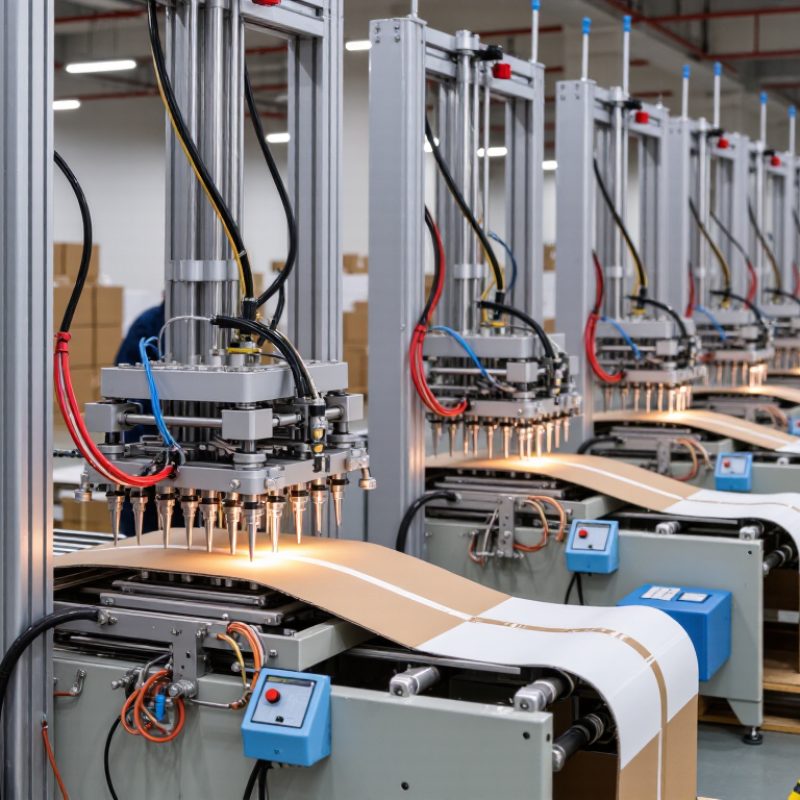
Automatic Feeding Gluing Machine systems help packaging and converting plants apply adhesive with repeatable timing and less manual handling. In China, suppliers serve carton, corrugated, paper box, and related production lines. Their machines differ in feeding accuracy, glue control, speed, format range, and support after installation. Small details matter. A stable feeder can prevent skewed blanks, while a well-calibrated nozzle reduces excess glue and cleanup.

This guide introduces ten Chinese manufacturers for buyers comparing equipment, not a universal ranking. The selection should be checked against current catalogs, factory capabilities, reference installations, and service coverage. Ask for sample runs using your board, adhesive, and target speed. Request clear specifications for changeover time, consumables, warranty terms, and operator training. A polished brochure is not proof. Some public information may be incomplete, and company offerings can change. That deserves attention. Buyers should verify certifications and test performance directly before making a decision. The right machine depends on product dimensions, production volume, plant layout, and acceptable downtime. Compare evidence, not just claims. This outline gives readers a practical starting point for reviewing China’s leading manufacturers and identifying questions to ask before requesting quotations. It does not replace a technical audit, and no supplier should be chosen on name recognition alone.
China Top 10 Automatic Feeding Gluing Machine Manufacturers?

What Is an Automatic Feeding Gluing Machine?

An automatic feeding gluing machine moves material into position, applies adhesive, and presents the glued piece for the next production step. Depending on its design, it may handle sheets, cartons, labels, or other flat components. Feed rollers, guides, sensors, and adhesive applicators work together to keep the process moving. The operator typically sets the feed alignment and glue pattern, then checks that materials pass through without skewing or sticking.

Small details matter. A slightly dusty sheet can slip; glue that is too thick may leave uneven lines. Many machines allow adjustments to feeding speed, application width, and adhesive quantity. These settings should match the material and the job, rather than relying on one setup for every run. A short test batch can reveal gaps, smears, or misplaced edges before full production begins.

Automatic feeding can reduce repetitive handwork and improve consistency, but it does not remove the need for skilled oversight. Operators still need to inspect glue coverage, clean applicator parts, and watch for jams. That matters. It is easy to assume higher speed means better output, yet a fast machine with poor alignment can create more rejects. The right machine depends on material dimensions, required output, adhesive type, and available maintenance support.


What Is an Automatic Feeding Gluing Machine?

A typical workflow for feeding, applying adhesive, and finishing folded packaging.

Bars indicate workflow order, not machine speed, output, or a manufacturer ranking. Exact processes and configurations vary by machine and material.

How Automatic Feeding and Gluing Systems Work

An automatic feeding and gluing system moves sheets or panels into position, applies adhesive, then brings the joined surfaces together. The feeder may use suction cups, belts, or rollers, depending on the material. Sensors monitor sheet position and help detect gaps or double feeds. Small details matter. A curled edge can disrupt alignment before the glue head even starts.

Once the material is registered, a pump sends adhesive through a nozzle, roller, or slot applicator. The control system adjusts flow and timing to match the feed speed. Too little adhesive can leave dry spots; too much may squeeze out at the edges. Operators often check bead width, glue temperature, and viscosity during setup. A quick test run helps, but it does not replace inspection across a full production shift.

After application, rollers or a pressing station hold the pieces together while the bond develops. Pressure must be even, especially on wide panels or uneven stock. Sensors and cameras can flag misplaced sheets, yet they cannot always judge bond strength. Material changes may require new settings. That part can be frustrating. A reliable process combines calibrated equipment, suitable adhesive, and routine checks; even then, dust or slight sheet variation can affect results.

China Top 10 Automatic Feeding Gluing Machine Manufacturers? – How Automatic Feeding and Gluing Systems Work

Technical overview of ten common system components and selection factors. This is not a manufacturer ranking; operating details depend on the machine design, substrate, and adhesive specification.

No. System Component How It Works Typical Use Key Selection Check
1 Material infeed An operator or upstream conveyor loads sheets, panels, blanks, or components into the feed area. Preparing workpieces for a continuous or batch production run. Confirm the allowable material dimensions, thickness, weight, and loading method.
2 Automatic singulation Feed mechanisms separate and release workpieces one at a time; the design may use belts, rollers, suction, or mechanical separators. Reducing manual handling and controlling spacing between parts. Test for double-feeds, surface marks, and reliable handling of the actual material.
3 Registration and alignment Guides, stops, sensors, or vision systems position the workpiece relative to the feed path and application head. Keeping glue lines or bonding areas in the intended location. Check alignment repeatability with the production part and required tolerances.
4 Conveying and speed control A conveyor or driven rollers move parts past the glue applicator at a controlled speed. Maintaining a consistent relationship between part movement and adhesive application. Confirm speed range, adjustment method, and synchronization with the applicator.
5 Adhesive supply and conditioning A reservoir or supply unit delivers adhesive to the application head; some systems control temperature or pressure as required by the adhesive. Supplying liquid, hot-melt, or other compatible adhesive systems. Follow the adhesive technical data sheet for compatibility, handling, temperature, and operating conditions.
6 Adhesive metering and application Rollers, nozzles, valves, or other applicators deposit adhesive in a selected pattern or coverage area. Applying a controlled film, bead, line, or series of dots. Evaluate coat weight or bead consistency, pattern width, edge control, and ease of cleaning.
7 Application control Machine controls coordinate feed motion and adhesive delivery; sensors may trigger, stop, or monitor selected operations. Repeating application settings across workpieces or production batches. Ask which settings are adjustable and whether recipes or alarms are available.
8 Joining and pressing Where the process requires it, parts are brought together and pressure is applied during the adhesive’s specified bonding stage. Lamination, assembly, and other bonding operations. Validate pressure, contact time, open time, and cure conditions for the chosen adhesive and materials.
9 Inspection and process checks Operators or suitable sensors check part presence, alignment, adhesive coverage, and finished bond quality. Detecting process variation before parts move to the next operation. Define acceptance criteria and confirm what the machine can inspect automatically.
10 Discharge and maintenance access Finished parts exit by conveyor or collection area; accessible components support inspection and cleaning. Moving bonded workpieces to curing, stacking, or downstream processing. Check discharge layout, guarding, cleaning access, and routine maintenance requirements.

Key Criteria for Evaluating Chinese Manufacturers

China Top 10 Automatic Feeding Gluing Machine Manufacturers?

Key Criteria for Evaluating Chinese Manufacturers

A shortlist should begin with evidence, not catalog claims. Ask manufacturers to run your actual materials through a complete feeding, gluing, and delivery cycle. Inspect glue-line consistency, sheet alignment, jams, and changeover time. Request recorded results at the proposed operating speed, not just a demonstration with ideal stock.

The International Federation of Robotics’ World Robotics 2024 report counted 541,302 industrial robots installed worldwide in 2023, with about 70% installed in Asia. This reflects wider regional automation investment, not gluing-machine quality. Test it live.

Evaluate build quality, controls, and support as one package. Check whether guards, sensors, and emergency stops are clearly documented, and ask how faults appear on the operator screen. Request references from plants using comparable board grades and shift patterns. Confirm technician response times, spare-parts availability, training, and warranty terms in writing.

Compare quoted capacity with sustained output; peak speed may hide frequent stops. A polished catalog is not proof. I would also inspect a real production floor, though one visit cannot reveal every maintenance issue.

Keep sample sheets from acceptance trials and compare glue coverage under bright, even lighting. Small gaps matter. A low purchase price can become expensive when setup runs long or consumables differ from the quotation.

Profiles of 10 Leading Automatic Feeding Gluing Machine Manufacturers in China

Profiles of ten leading automatic feeding gluing machine manufacturers in China are most useful when they compare engineering, not just advertised speed. Look for details on sheet feeding, glue application, changeover time, and service support. A practical profile should explain whether a machine handles corrugated board, cartons, or varied sheet sizes. Small details matter: a steady feeder can prevent skewed blanks and reduce rework. Fast is not always better.

The wider market is growing. Grand View Research’s Packaging Machinery Market Size, Share & Trends Analysis Report estimated the global market at USD 49.29 billion in 2023, with projected annual growth of 5.3% from 2024 to 2030. This is broad packaging machinery data, not a forecast for gluing machines alone. Still, it helps explain manufacturers’ focus on automation and flexible production. Compare stated capacity with sample-run results; catalog figures may not reflect everyday operating conditions.

Tips: Ask for a live test using your board and glue. Check setup time, waste, and cleaning access. A profile that omits these points is incomplete—and that deserves a second look.

How to Compare Manufacturers for Different Production Needs

Comparing automatic feeding gluing machine manufacturers in China starts with the production job, not a ranking. A carton plant handling several board sizes needs flexible feeder adjustment. A high-volume line may value stable speed and quick recovery more. Ask each manufacturer to test your actual material, including its thickness, surface, and feed direction. A clean showroom sample proves little.

Look closely at feeder alignment, glue application, and changeover time. Request a recorded trial using your own board, then check for skewed sheets, uneven glue lines, and jams. Ask how operators clear a misfeed and how long routine cleaning takes. Small details matter. Compare rated output with the speed sustained during a longer run; peak figures can hide stoppages. Also confirm which tooling, spare parts, and training are included in the quotation.

Service deserves equal attention. Ask for realistic response times, remote troubleshooting options, and a parts list with replacement intervals. Review installation requirements, such as floor space, electrical supply, and operator access. One overlooked issue is often the cost of changing formats. Still, no checklist catches everything. Leave room for a supervised production trial, and record what did not work as expected.

100% Mercury Free

100% Mercury Free

All of Hapco's formulations are completely free of Mercury.

50 Year Track Record

50 Year Track Record

Hapco has been in business for over 50 years!

ISO Certified

Higher Quality. More Efficiency. View Certificate

Technical Expertise

Hapco's employees are knowledgeable and ready to help.

Join Our Mailing List

Get the latest news, updates, and articles from Hapco, Inc.

Join Now