Who Are the Top Cash Handling Equipment Suppliers in China?
Choosing a cash equipment supplier is not just a matter of comparing prices. In China, manufacturers and exporters offer machines for counting, sorting, detecting, and recycling banknotes and coins. A busy retail cashier may need a compact counter, while a cash center may require high-speed sorters, multiple output pockets, and reliable software integration. The right fit depends on daily volume, currency requirements, maintenance access, and the working environment.
This guide explores who the leading Cash Handing Equipment suppliers in China are and how buyers can assess them. It looks beyond polished product photos to practical evidence: clear specifications, documented quality checks, responsive technical support, available spare parts, and experience serving similar customers. Supplier rankings can change, and a large catalog does not automatically mean better service. Still, no comparison is perfect. Buyers should verify performance claims with sample testing, reference checks, and written warranty details before making a decision. A machine that handles clean notes smoothly may behave differently with worn or folded bills. That detail matters. By comparing product capability, manufacturing transparency, and after-sales support, readers can build a more reliable shortlist and ask suppliers more precise questions.
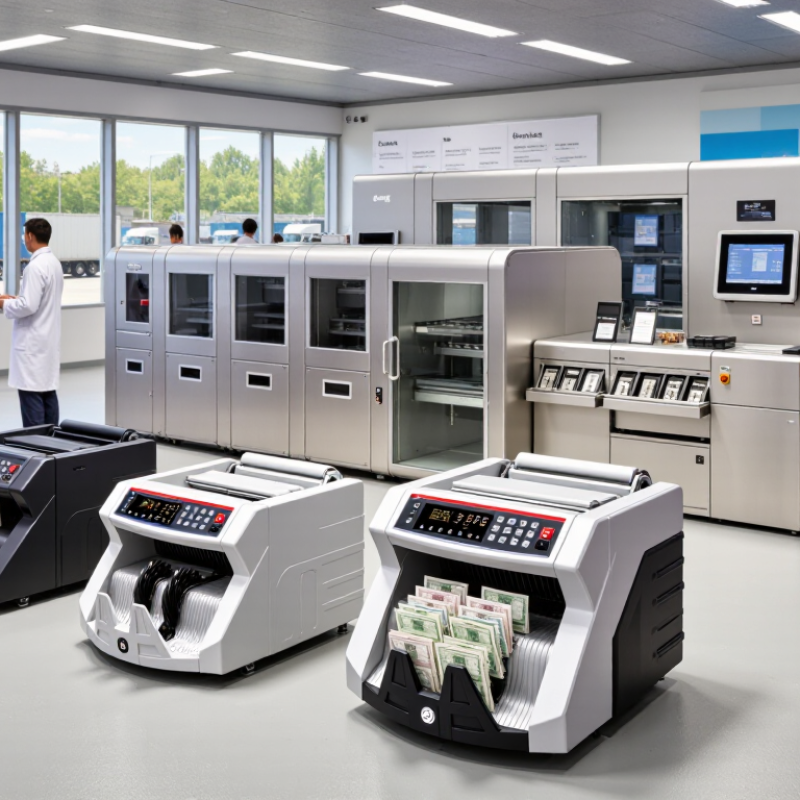
What Cash Handling Equipment Includes and How It Is Used
Cash handling equipment includes banknote and coin counters, value sorters, counterfeit-detection devices, cash recyclers, deposit safes, and dispensers. Each tool serves a different step: counting a till, checking note condition, preparing a deposit, or returning change. The European Central Bank’s 2022 SPACE study found that cash represented 59% of point-of-sale transactions by number in the euro area. Cash still moves through many daily transactions. That keeps accurate handling important in shops, banks, and cash-processing centers.
A cashier may use a counter at closing, while a back-office sorter separates notes by denomination and condition. A recycler can accept deposits and dispense notes for later transactions, reducing repeated manual counting. The Federal Reserve’s 2024 Diary of Consumer Payment Choice reported that cash made up 16% of U.S. payments in 2023. These figures describe different regions, but both show that cash remains part of payment operations. Small details matter. A machine should match transaction volume, note types, and staff workflow. It is not foolproof. Worn notes, jams, and incorrect setup still require trained staff and routine checks.
RMB Banknote Denominations Handled by Cash Equipment
China’s renminbi banknotes are issued in denominations of 1, 5, 10, 20, 50, and 100 yuan. Cash counters, sorters, and banknote validators are designed to count, sort, or authenticate notes; this chart shows face values, not supplier rankings or equipment performance.
How China’s Cash Handling Equipment Industry Has Developed
China’s cash handling equipment industry has changed with the growth of banks, supermarkets, and cash-processing centers. Early machines mainly counted notes. Later models added sorting, authentication, and batch control as operators needed faster, more consistent workflows. The shift depended on more than software. Sensors, motors, feeders, and precision-made parts all had to work together through long shifts. A worn note can jam a feeder; dust can affect a sensor. Small details matter.
Local manufacturing capabilities have expanded, allowing suppliers to develop more integrated equipment for counting, sorting, and cash recycling. Some systems now connect with back-office tools, helping staff track totals and investigate discrepancies. Yet progress is uneven. Smaller businesses may still prefer manual checks or older machines because upgrades require training and maintenance. Not every feature pays off. Reliable performance depends on testing with circulated notes, varied humidity, and repeated daily use—not just clean samples in a showroom. China’s industry continues to adapt as cash use changes, but dependable servicing and practical design remain as important as speed.
Which Types of Cash Handling Equipment Chinese Suppliers Manufacture
Chinese suppliers manufacture equipment for each stage of cash processing, not just banknote counting. Common products include friction-feed and vacuum-feed counters, counterfeit-detection units using ultraviolet, magnetic, or infrared sensors, and mixed-denomination sorters. Many also make coin counters, banknote banding machines, teller cash dispensers, cash recyclers, deposit machines, and smart safes. Sensor lists alone do not prove reliable detection.
Demand varies by market. The European Central Bank’s Study on the Payment Attitudes of Consumers in the Euro Area (SPACE 2022) found cash accounted for 59% of point-of-sale transactions by number. The Federal Reserve’s 2024 Diary of Consumer Payment Choice reported a 16% cash share of U.S. consumer payments in 2023. These figures describe different regions and methods, not Chinese equipment sales. They do illustrate why suppliers offer compact counters for small shops alongside high-throughput sorters and recyclers for cash centers. Check verified notes-per-minute throughput, denomination support, reject-bin capacity, and service access.
Small details matter.
A fast counter that jams on worn notes is not fast in practice. Published specifications may not reveal performance with folded or humid notes, so trials with local circulation cash are worth requesting.
Who Are the Leading Cash Handling Equipment Suppliers in China
Leading cash handling equipment suppliers in China typically serve banks, retailers, cash centers, and transport operators. Their product ranges may include banknote counters, counterfeit-detection devices, cash recyclers, and coin sorters. Strong suppliers provide clear technical specifications, stable production capacity, and service support beyond the initial sale.
A detailed demonstration matters. Ask to test mixed banknotes at realistic speeds, then inspect rejected notes and error reports. These details reveal more than a polished brochure.
Supplier quality can vary between product lines, even within one factory. Review calibration records, inspection procedures, warranty terms, and the availability of replacement parts. For larger orders, request a sample unit and test it with the currencies and workloads expected at your site. Check how quickly the supplier answers practical questions about cleaning, jam recovery, and routine maintenance.
Small omissions matter. A machine may count accurately in a showroom but behave differently during a busy shift. I would not judge a supplier by price or production claims alone; response times and documented testing deserve equal attention.
How to Compare Suppliers and Assess Their Capabilities
Compare cash handling equipment suppliers through measured performance, not catalogue claims. The European Central Bank’s 2022 SPACE study found cash accounted for 59% of euro-area point-of-sale transactions by number. That makes reliable handling important in cash-heavy settings. Ask each supplier for independently verifiable throughput, jam-rate, and note-rejection data, with test conditions clearly stated. Numbers matter. Test samples should include worn notes, mixed denominations, and a full operating shift—not just a polished demonstration.
Check whether the equipment fits your actual workflow: counter space, daily transaction volume, currency mix, and links to existing systems. Request a live trial and record processing speed, counting accuracy, error recovery, and service response times. Demand dated evidence. Review quality certifications, spare-parts availability, warranty terms, and technician coverage for your location. A low purchase price can be misleading if routine maintenance causes long interruptions. No scorecard is perfect; I would revise mine after reviewing a month of operating logs. Ask for customer references with similar workloads, then confirm the figures directly where possible.