
Skip to Content

Liquid Molding Monthly

Top 10 Multi Lane Packing Machine Types for Global Buyers

The global packaging market is becoming faster, more automated, and more demanding. Buyers now compare output, flexibility, hygiene, energy use, and total ownership cost.

PMMI’s 2024 State of the Industry report highlights continuing investment in packaging automation, despite labor shortages and changing production requirements. Interact Analysis also identifies automation, digital monitoring, and flexible equipment as important machinery trends. These developments explain why the Multi Lane Packing Machine has gained attention across food, pharmaceutical, personal care, and household product manufacturing.

A multi-lane system divides products into parallel streams before filling and sealing them. This design can increase output without endlessly expanding factory space. It may also improve portion consistency and reduce manual handling. However, higher speed does not automatically mean better performance. Product shape, film behavior, sealing temperature, cleaning access, and changeover time can change the final result.

Smithers’ sustainability research shows that packaging decisions increasingly involve material reduction, recyclability, and operational efficiency. Therefore, global buyers should examine more than advertised bags per minute. They should review real production trials, spare-parts support, operator training, safety features, and regional service capability.

No machine wins everywhere. A compact sachet line may suit one factory, while a stick-pack or premade-pouch system may suit another. This guide compares the top 10 Multi Lane Packing Machine types for global buyers. It also recognizes an uncomfortable point: supplier claims are not always directly comparable. Careful testing remains essential.
Top 10 Multi Lane Packing Machine Types for Global Buyers

Multi-Lane Packing Machines: Definition, Structure, and Core Functions

Top 10 Multi Lane Packing Machine Types for Global Buyers

Multi-lane packing machines divide products into several parallel streams before sealing them into individual packs. They suit powders, granules, liquids, and small pieces requiring consistent portion control. A ten-lane system may produce ten packs during one sealing cycle. Actual output depends on product flow and film behavior.

The structure usually includes a product hopper, dosing units, lane dividers, forming collars, sealing jaws, and a discharge conveyor. Sensors monitor film position, pack length, temperature, and product presence. A programmable control system coordinates these parts. In practical factory use, quick-release contact parts make cleaning and size changes less disruptive. This detail is often underestimated.

Core functions include accurate dosing, synchronized filling, vertical sealing, horizontal cutting, date coding, and automatic fault detection. Servo-driven components can improve timing, especially when pack sizes change frequently. However, higher speed does not always mean better performance. Sticky products may bridge inside the hopper, while fragile pieces can damage seals. A machine tested only with ideal samples may disappoint in daily production. Buyers should request trials using real materials, target weights, packaging film, and operating temperatures. Lane balance also deserves attention. One unstable lane can reduce the whole machine’s usable capacity. Reliable selection depends on measurable results, accessible maintenance, and clear technical documentation.


Top 10 Multi-Lane Packing Machine Types for Global Buyers

This chart presents representative lane configurations commonly used in multi-lane packaging equipment. Higher lane counts can increase output, while the actual configuration depends on product size, packaging material, sealing method, filling accuracy, and required production speed. The figures are general industry ranges represented by typical midpoints and do not refer to any specific company or brand.

The Ten Major Multi-Lane Packing Machine Types Explained

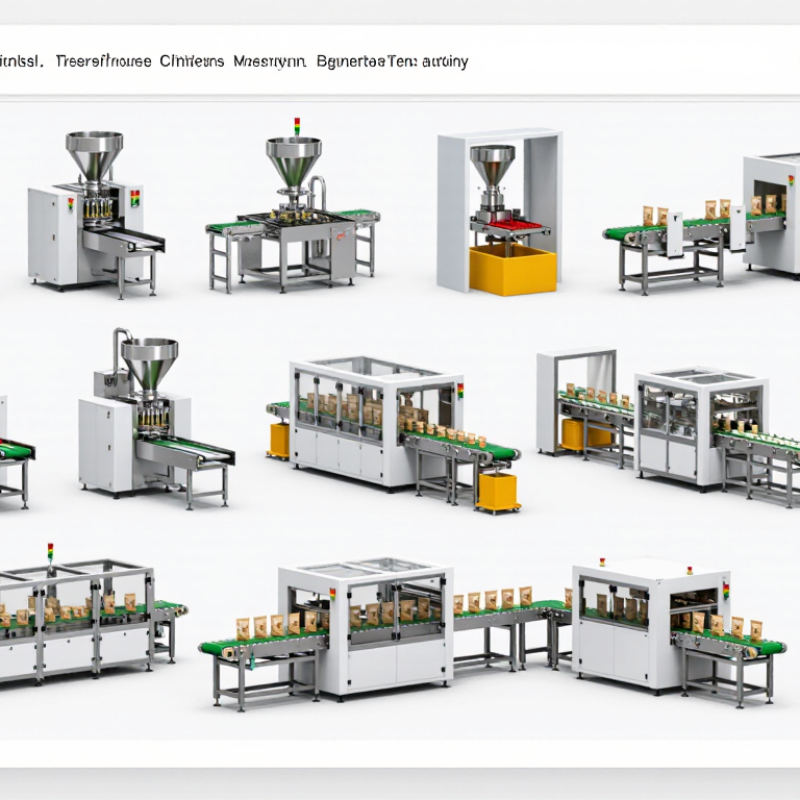
The Ten Major Multi-Lane Packing Machine Types Explained begins with format and product behavior. Vertical form-fill-seal machines suit snacks, grains, and powders. Horizontal form-fill-seal machines handle bars, biscuits, and flat products. Stick-pack machines create narrow single-serve packs. Sachet machines produce small sealed pouches for liquids, powders, or granules. Premade-pouch machines open, fill, and seal ready-made bags. These systems can run several lanes together, improving output where floor space is limited.

According to PMMI’s 2023 State of the Industry report, U.S. packaging machinery shipments reached approximately $10.2 billion in 2022, showing strong demand for automated equipment.

The remaining five types focus on dosing and sealing control. Multihead weighers measure irregular products, such as nuts or frozen pieces, with high speed. Volumetric cup fillers dose free-flowing products by volume. Auger fillers control powders, including flour and seasoning blends. Pump fillers manage sauces, oils, and other liquids. Modified-atmosphere tray sealers protect prepared foods inside rigid trays. Each machine needs a different product test. A fast filler may still create poor seals.

In practice, lane count alone does not guarantee performance. Film tension, dust, viscosity, and cleaning access often decide real productivity. A 2024 report from MarketsandMarkets identifies automation and flexible packaging as major growth drivers in packaging machinery. However, published capacity figures can look optimistic. Operators should verify them using actual product, film, and shift data. This classification is useful, but not perfect.

Product, Film, and Sealing Compatibility by Machine Type

Choosing a multi lane packing machine starts with the product, not the machine frame. Stick pack systems suit powders, granules, and free-flowing liquids. Sachet machines handle sauces, creams, and small wet portions. VFFS multi lane units often support higher output, while HFFS systems protect flat, fragile, or shaped products. According to PMMI’s 2024 Global Packaging Trends report, labor shortages and automation remain major packaging investment drivers. However, speed alone can mislead buyers. A dense powder may bridge inside the forming tube, while a sticky liquid can contaminate the seal area.

Film compatibility needs practical testing. Common structures include PE, PET/PE laminates, metallized films, and paper-based laminates. PE films offer reliable heat sealing, but their stiffness and barrier performance may differ. Metallized structures improve light and oxygen protection, yet they can require tighter temperature control. The 2024 Smithers flexible packaging outlook continues to identify barrier films and recyclable structures as important development areas. That matters when packaging oils, oxygen-sensitive powders, or moisture-sensitive products. Do not assume one film works everywhere.

Sealing compatibility is equally decisive. Constant heat sealing suits many laminated films and high-speed applications. Impulse sealing can benefit selected thermoplastic structures, but cycle timing becomes critical across multiple lanes. Sealing jaws must match film thickness, coating, and product temperature. A 2°C adjustment can change leakage results. Real production trials remain essential. Laboratory data can look perfect, but dust, vibration, and operator handling may expose weak seals. Buyers should request seal-strength testing, leak testing, and film samples before final selection. Small details matter.

How to Compare Capacity, Automation, and Package Quality

Top 10 Multi Lane Packing Machine Types for Global Buyers

Comparing multi lane packing machines starts with capacity, not machine count. A six-lane model may produce more packs, but only when the product flows evenly. Check rated output, actual output, and acceptable reject rates during a live trial. Ask for data using your product, film, and target pack size. Powder, granules, liquids, and fragile pieces behave differently. A machine designed for one material may struggle with another. Common options include stick pack, sachet, pouch, tube, and liquid filling systems, each with different dosing and sealing demands.

Automation affects labor, consistency, and maintenance. Servo control can improve filling accuracy, while sensors reduce empty or poorly sealed packs. Yet more automation is not always better. Complex systems may require skilled technicians and costly spare parts. Package quality needs practical inspection: seal strength, leakage tests, weight variation, cut accuracy, and visual alignment. A neat package can still have a weak seal. That is easy to miss.

Tips: Compare output at your real speed, not the brochure maximum. Request sample packs after extended operation. Check cleaning time, changeover steps, noise, and access to wear parts. Review safety documentation and local electrical requirements. Keep a small testing budget for film and tooling trials. Early estimates are often optimistic. Build decisions around verified results, not attractive specifications.

Top 10 Multi Lane Packing Machine Types for Global Buyers - How to Compare Capacity, Automation, and Package Quality

Rank Machine Type Typical Products Common Lane Range Typical Output Range Automation Level Package Format Package Quality Changeover Profile Best-Fit Applications
1 Multi-Lane Stick Pack Machine Powders, granules, liquids, gels and small-dose products 4–20 lanes 600–3,000 packs/min, depending on product and lane count High
PLC, servo drives, automatic film tracking and optional inspection
Long, narrow stick pack with fin seal or three-side seal High
Consistent seals and accurate small-dose filling when matched with the correct dosing system
Medium; forming tubes and dosing parts usually require adjustment or replacement Single-serve beverages, condiments, nutraceuticals, cosmetics and pharmaceutical powders
2 Multi-Lane Four-Side-Seal Sachet Machine Powders, liquids, creams, sauces and granules 4–12 lanes 240–1,200 sachets/min High
Servo-controlled dosing, registration control and automated temperature regulation
Flat sachet sealed on four sides High
Strong visual presentation and reliable hermetic sealing with suitable film
Medium to high; product-contact components and sealing tools may need format changes Food sauces, personal-care samples, pharmaceutical liquids and premium single-use products
3 Multi-Lane Three-Side-Seal Sachet Machine Powders, granules, liquids, creams and wet wipes 4–16 lanes 300–1,600 sachets/min High
Automatic film registration, recipe storage and electronic dosing control
Flat sachet with three sealed edges and one pre-formed film fold Very Good
Good seal consistency and easy tear options when correctly specified
Medium; relatively straightforward for the same sachet width Shampoo samples, wet wipes, condiments, instant powders and medical products
4 Multi-Lane VFFS Pillow-Bag Machine Snacks, rice, sugar, frozen foods, pet food and hardware items 2–6 lanes 80–360 bags/min High
Integrated multihead or linear weigher, servo film control and checkweigher options
Vertical pillow bag with back seal and top/bottom seals Very Good
Reliable for free-flowing products; package appearance depends on film and product handling
Low to medium; bag length and dosing settings are commonly recipe-controlled High-volume retail packs, frozen products, snacks and dry commodities
5 Multi-Lane VFFS Gusset-Bag Machine Coffee, pet food, powders, grains and bulky dry products 2–4 lanes 40–220 bags/min High
Servo forming, automatic weighing and optional nitrogen flushing or vacuum systems
Gusseted or block-bottom bag with greater volume and standing ability High
Improved shelf presence and load distribution for larger packs
Medium; gusset former, bag length and sealing parameters require setup Coffee, pet food, premium grains, fertilizers and large-volume dry goods
6 Multi-Lane HFFS Flow-Wrapping Machine Biscuits, bakery items, confectionery, soap and medical components 2–6 lanes 100–600 packs/min High
Servo indexing, automatic product spacing and optional vision inspection
Horizontal pillow pack with fin seal and cross seals High
Clean graphics, controlled product orientation and consistent seal placement
Medium; product guides, flights and film settings may need adjustment Individually wrapped foods, hygiene products, household goods and medical supplies
7 Multi-Lane HFFS Three-Side-Seal Machine Flat products, sachets, wipes, cards, samples and small kits 2–8 lanes 80–500 packs/min Medium to High
Servo motion control, registration sensors and programmable sealing parameters
Flat three-side-seal pouch or sachet High
Accurate edge sealing and controlled product positioning for flat items
Medium; lane width and product guides influence setup time Wet wipes, cosmetic samples, medical kits, stationery and small consumer goods
8 Multi-Lane Premade Pouch Filling and Sealing Machine Liquids, sauces, powders, granules and ready-to-eat foods 2–6 lanes 40–300 pouches/min High
Automatic pouch feeding, opening verification, filling, sealing and discharge
Premade stand-up, flat, spouted or zipper pouch High
Premium appearance and flexible pouch features; quality depends strongly on pouch tolerances
High; pouch dimensions, zipper or spout systems and filling parts may require changeover Retort foods, sauces, pet food, detergents and premium flexible packaging
9 Multi-Lane Tube Filling and Sealing Machine Toothpaste, creams, gels, ointments and cosmetic products 2–12 lanes 60–720 tubes/min High
Automatic tube loading, filling, coding, sealing and reject handling
Plastic, laminate or metal tube with crimped, folded or heat-sealed end High
Precise fill presentation and repeatable end sealing for regulated products
Medium to high; filling nozzles, tube holders and sealing heads are product-specific Oral care, pharmaceuticals, cosmetics, adhesives and personal-care products
10 Multi-Lane Blister Packing Machine Tablets, capsules, small medical devices and hardware components 2–8 lanes 60–600 blisters/min High
Automatic forming, feeding, sealing, coding and vision-based inspection options
Formed cavity sealed with lidding foil or another barrier web High
Strong product protection, accurate cavity formation and traceable coding
High; forming tools and feeder systems are commonly format-specific Pharmaceuticals, medical devices, electronics components and small hardware
Comparison note: Output figures are typical industry ranges for properly matched products, film materials and machine configurations. Actual capacity depends on lane count, pack size, dosing accuracy, product characteristics, sealing time, film behavior and required quality-control systems.

Global Buying Factors: Standards, Maintenance, and Supplier Support

Top 10 Multi Lane Packing Machine Types for Global Buyers

Global buyers should compare standards before comparing speed. The main types include VFFS, HFFS, sachet, stick pack, premade pouch, quad-seal, gusseted bag, liquid, powder, and granule machines. Each type needs suitable guarding, emergency stops, electrical protection, and food-contact materials where applicable. Check regional voltage, language requirements, conformity documents, and test records. A certificate alone is not enough.

Maintenance details often decide the real purchase cost. Ask for access to sealing jaws, sensors, dosing parts, and pneumatic components. Operators should replace common wear parts without dismantling half the machine. Request lubrication schedules, fault codes, wiring diagrams, and cleaning instructions. Short videos can reveal more than polished brochures. Still, some manuals remain unclear, even after careful review.

Supplier support must be measurable. Confirm commissioning procedures, operator training, remote troubleshooting hours, spare-parts availability, and response targets. A factory acceptance test should use your actual film, product, and pack size when possible. Site acceptance testing matters too. Do not rely on verbal promises. Put software updates, training scope, replacement timelines, and service coverage into the contract. I have found that buyers sometimes overvalue maximum lane speed and undervalue recovery after a small sensor failure. That judgment can be costly. A slower machine with practical maintenance access may deliver higher daily output. Supplier claims deserve testing.

100% Mercury Free

100% Mercury Free

All of Hapco's formulations are completely free of Mercury.

50 Year Track Record

50 Year Track Record

Hapco has been in business for over 50 years!

ISO Certified

Higher Quality. More Efficiency. View Certificate

Technical Expertise

Hapco's employees are knowledgeable and ready to help.

Join Our Mailing List

Get the latest news, updates, and articles from Hapco, Inc.

Join Now