
Skip to Content

Liquid Molding Monthly

What Are the Top Types of Triple Eccentric Valves?

Triple Eccentric valves are used where dependable shutoff, high temperatures, or demanding pressure conditions make ordinary butterfly valves less suitable. Their three-offset geometry moves the disc away from the seat during opening, helping limit rubbing and wear. The result is a compact valve design that can provide tight closure when correctly specified and maintained. It is not a universal fix.

The phrase “top types” can describe several different ways of grouping these valves. Common options include wafer, lug, and double-flanged body designs, each suited to different piping layouts and installation needs. Valves may also differ by body and disc materials, pressure rating, seat construction, and manual or powered operation. These categories can overlap: a double-flanged valve, for example, may also use a metal seat and an electric actuator. That distinction matters.

This guide compares the main Triple Eccentric valve types and explains where their practical differences show up. It considers installation space, pipeline access, operating conditions, and maintenance demands. A metal-seated design may be a strong candidate for severe service, but suitability depends on the actual fluid, temperature, pressure, and leakage requirements. Product terminology also varies between manufacturers, so specifications deserve a careful check. Choosing by name alone can lead to a mismatch. The right selection starts with the service conditions and a clear review of technical documentation.
What Are the Top Types of Triple Eccentric Valves?

How Triple Eccentric Valve Geometry Creates a Cam-Action Seal

What Are the Top Types of Triple Eccentric Valves?

How Triple Eccentric Valve Geometry Creates a Cam-Action Seal

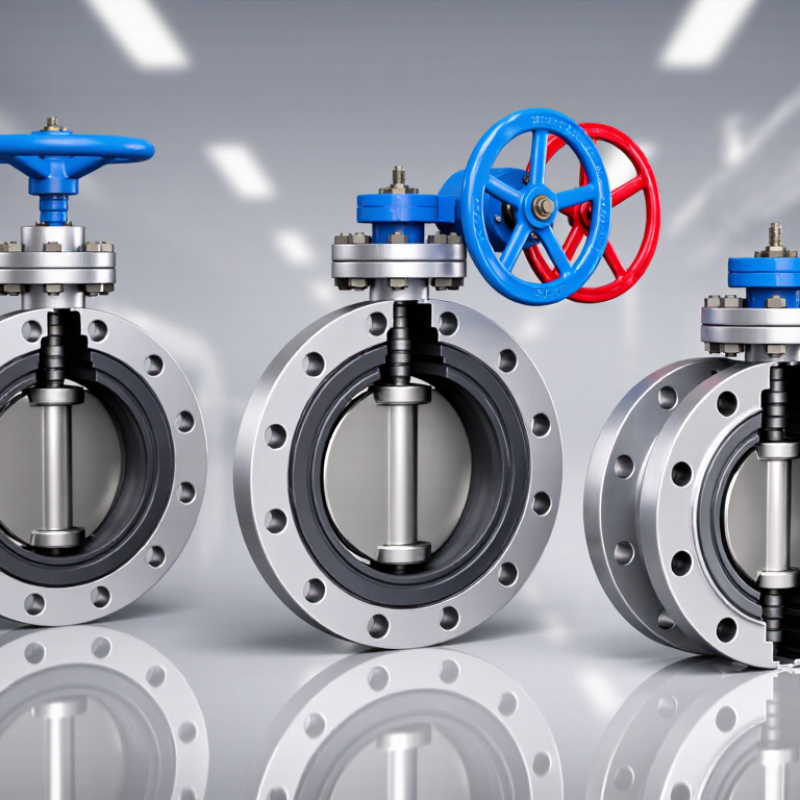
Triple eccentric valves are available in wafer, lug, and flanged body styles. These are connection options, not different sealing principles. The right style depends on the piping layout, maintenance access, and operating conditions. Inside each valve, three carefully arranged offsets guide the disc toward its seat. The geometry matters.

The first two offsets move the shaft away from the disc and seat centerlines. The third angles the sealing surfaces into a conical shape. As the disc turns, it moves clear of the seat instead of scraping along it. Near full closure, the geometry creates a cam-like motion that brings the metal sealing surfaces together. Contact happens mainly at the end of travel. Less rubbing can reduce wear, though poor alignment or incorrect installation can still cause leakage.

Tips: Check the specified pressure, temperature, and media before choosing a valve. Confirm that the actuator can provide the required closing torque. During inspection, look for scoring or uneven contact on the seat. Small marks can matter. One detail is easy to overlook: a tight shutoff depends on the whole assembly, not geometry alone.

What Are the Top Types of Triple Eccentric Valves? - How Triple Eccentric Valve Geometry Creates a Cam-Action Seal

Type End Connection and Construction How the Triple-Offset Geometry Seals Typical Applications Key Selection Consideration
Wafer-style triple eccentric valve A compact body fits between pipeline flanges and is secured by the flange bolting arrangement. The angled, conical seat and three-offset shaft geometry make the disc move away from the seat as it opens, then create a cam-like seating action during closure. Space-conscious installations in process, utility, and industrial piping. Check flange alignment, bolting requirements, and whether the valve design is suitable for the required pressure and service conditions.
Lug-style triple eccentric valve Threaded lugs around the body allow the valve to be bolted to the flanges on each side. The same triple-offset geometry reduces rubbing during rotation and brings the disc into its metal seat near the end of closing. Piping layouts where access to each side of the valve or removal of downstream piping is useful. Dead-end service and operation with one side of the piping disconnected are permitted only when the specific valve is rated for those conditions.
Double-flanged triple eccentric valve Flanges are integral to both ends of the valve body and bolt directly to mating pipeline flanges. The offset shaft and conical sealing surfaces provide a non-rubbing opening motion followed by a tight, mechanically assisted closure. Large-diameter lines and installations where a flanged, mechanically robust body connection is preferred. Confirm face-to-face dimensions, flange rating, support requirements, and compatibility with the pipeline standard.
Butt-weld-end triple eccentric valve Weld ends connect directly to matching pipe ends, creating a permanent welded joint. Its sealing action comes from the triple-offset disc and seat geometry; the welded ends do not change the cam-action principle. Applications that call for welded connections, such as selected high-integrity or high-temperature piping systems. Consider welding procedures, inspection access, and the practical requirements for future valve removal or maintenance.
Metal-seated triple eccentric valve Available with different body-end styles; the disc and seat use engineered metal sealing surfaces. The third offset creates an inclined conical sealing interface. The disc lifts clear of the seat through most of its travel and cams into contact at closure, limiting sliding wear. Services where temperature, durability, or fire-safe design requirements make a metal seat appropriate. Leakage performance depends on the design and applicable test standard; metal seating should not automatically be assumed to mean zero leakage.

Geometry note: Triple-offset designs use three related offsets among the shaft, disc, and conical seat geometry. Together, these offsets create the cam-like closing action and help minimize seat rubbing during opening and closing. Available designs and ratings vary by valve specification.


Which Connection Types Are Common: Wafer, Lug, and Flanged

Wafer, lug, and flanged connections are common choices for triple eccentric valves. The right option depends on pipe layout, maintenance access, and operating conditions. Connection style does not determine the valve’s sealing performance; the triple-offset geometry and seat design do that work.

A wafer valve fits between two pipe flanges and is clamped in place with long bolts. Its compact body can save space in a crowded line. Space is tight. However, removing the valve usually means separating the adjoining pipe flanges, so routine access may take more effort. Check bolt length and alignment before installation; small mismatches can complicate a job.

A lug valve has threaded points around its body, allowing each pipe flange to be bolted to the valve. This can make maintenance easier, but downstream removal under pressure is not automatically safe or permitted; confirm the valve’s design and rating. Flanged valves use integral end flanges, offering a familiar, sturdy connection that can simplify alignment and inspection. They also add weight and take up more room. No option wins everywhere. Verify pressure class, flange drilling, face-to-face dimensions, temperature limits, and the actual maintenance plan against the valve documentation. Sometimes the neatest drawing hides a practical headache.

How Metal-Seated and Laminated-Seal Designs Differ

What Are the Top Types of Triple Eccentric Valves?

How Metal-Seated and Laminated-Seal Designs Differ

Triple eccentric valves commonly use metal-seated or laminated-seal designs. In a metal-seated valve, machined metal surfaces meet at the final point of closure. This arrangement can suit high temperatures, pressure changes, and abrasive service. It may allow more leakage than a resilient layered seal, depending on the design and test standard. Fit matters. Seat finish and alignment affect performance.

Laminated seals combine thin metal layers with a softer material, often graphite. The layers can flex slightly against the disc, helping create a tighter shutoff. They may be a good option when leakage control matters and operating conditions suit the seal materials. But layers can wear or degrade if temperature, media, or cycling exceed their limits. No design is perfect. A detail that looks minor on a drawing can matter in service.

Tips: Check the valve’s rated temperature, pressure, and leakage class against actual operating conditions. Ask how often the valve will cycle, and confirm seal materials are compatible with the process fluid. A metal seat is not automatically the tougher choice; the right answer depends on the application.

How Materials and Pressure Ratings Define Valve Variants

Triple eccentric valves are often grouped by body material, disc and seat materials, and pressure rating. These choices define where a valve can operate, not just how it looks. Carbon steel bodies are common in robust industrial service, while stainless steel can suit corrosive or hygienic environments. Duplex alloys may be considered where chloride exposure and strength both matter. The right choice depends on the actual fluid, temperature, and operating conditions.

Pressure markings such as Class or PN describe a rated envelope, but they do not tell the whole story. Allowable pressure can decrease as temperature rises, and the body rating may differ from the safe differential pressure across the closed disc. Check the applicable design standard and the supplier’s pressure-temperature data. Small details matter. A metal seat may tolerate heat and abrasive service, while its alloy and surface finish affect leakage and wear. Soft components, when fitted, have their own temperature and chemical limits. Not always obvious.

In practice, compare the full material specification with the rating, rather than selecting a valve by one number. A valve rated for a high pressure at ambient temperature may not be suitable for the same pressure in a hot line. I would also verify flange compatibility, test requirements, and the intended shutoff class. These details are easy to overlook, and they can change the appropriate valve variant.

Which Actuation Types Are Used: Manual, Electric, and Pneumatic

What Are the Top Types of Triple Eccentric Valves?

Which Actuation Types Are Used: Manual, Electric, and Pneumatic

Triple eccentric valves can use manual, electric, or pneumatic actuation. Manual gear operators suit infrequent adjustments where power is unavailable. Electric actuators support remote operation and controlled positioning. Pneumatic actuators respond quickly and work well for frequent on-off cycles, provided a dependable air supply is available. The best fit depends on valve size, torque, cycle frequency, and the control system. Small details matter: a slow manual turn may be acceptable in one line, but impractical in an emergency shutdown setup.

Tips: Confirm the valve’s required torque across its full operating range, not just at the start. Check the available power or air pressure, operating speed, and fail position. Leave room for maintenance access. There is no universal winner; actuator sizing is easy to underestimate.

Energy use also deserves attention. The International Energy Agency’s 2011 report, Energy-Efficiency Policy Opportunities for Electric Motor-Driven Systems, estimates these systems use about 45% of global electricity. The U.S. Department of Energy’s Improving Compressed Air System Performance sourcebook notes that leaks can waste 20–30% of compressor output. These figures describe broader industrial systems, not valve actuators alone, but they show why supply efficiency and maintenance belong in the selection discussion.

What Are the Top Types of Triple Eccentric Valve Actuation?

Manual, electric, and pneumatic actuation compared by whether an external energy supply is required.

Manual operation uses human input and does not require an external energy supply. Electric actuators require electrical power; pneumatic actuators require compressed air. This is a categorical comparison, not market-share data.

Article Source:

100% Mercury Free

100% Mercury Free

All of Hapco's formulations are completely free of Mercury.

50 Year Track Record

50 Year Track Record

Hapco has been in business for over 50 years!

ISO Certified

Higher Quality. More Efficiency. View Certificate

Technical Expertise

Hapco's employees are knowledgeable and ready to help.

Join Our Mailing List

Get the latest news, updates, and articles from Hapco, Inc.

Join Now