Top 10 Uses of Plastic Epoxy Resin You Should Know?
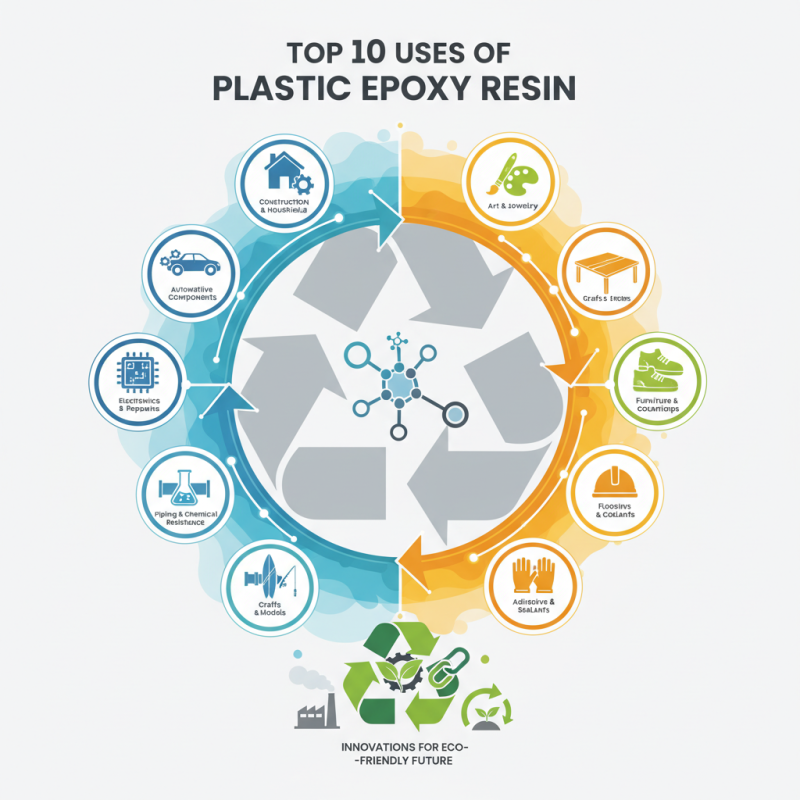
Plastic Epoxy Resin has revolutionized various industries. Its versatility makes it a popular choice for many applications. From construction to arts, its uses are numerous.
In everyday life, Plastic Epoxy Resin can be found in items we often overlook. Think of the sturdy bonds in household appliances or automotive components. These resins provide durability and resistance to chemicals, making them ideal for tough environments.
However, not everything is perfect. The production process can have environmental impacts. While Plastic Epoxy Resin is valuable, we must consider sustainability. The future of this material might require innovations to make it truly eco-friendly.
Applications of Plastic Epoxy Resin in Construction and Repairs
Plastic epoxy resin is a versatile material widely used in construction and repairs. It offers excellent bonding capabilities, making it ideal for various applications. For example, it is commonly used for repairing cracks in concrete surfaces. Once applied, it penetrates deep into the crack, ensuring a strong bond. This helps restore the structural integrity of the concrete.
In addition to concrete repairs, epoxy resin is useful for creating seamless flooring systems. Its durability and resistance to chemicals make it a popular choice in industrial settings. Installing epoxy flooring can transform a dull space into a vibrant area, but it requires proper mixing and application techniques. Improper application can lead to bubbles and imperfections.
Tips: Always mix epoxy resin thoroughly. This helps avoid uneven curing. Keep the working area clean to ensure proper adhesion. Before applying, test a small area to see how the resin reacts with the surface. Learning from any mistakes can lead to better results.
Another notable use is in the repair of wooden surfaces. Epoxy resin can fill gaps and cracks in wood. It can also bond dissimilar materials, which is beneficial in restoration projects. However, the curing time can be longer than expected. Patience is key to achieving the best finish.
Utilization of Plastic Epoxy Resin in Automotive Manufacturing
Plastic epoxy resin has revolutionized automotive manufacturing. Its unique properties provide strength and durability. This material can withstand harsh conditions. Many manufacturers leverage its adhesive qualities. In fact, a report by MarketsandMarkets estimates the automotive epoxy market will reach $10 billion by 2025. This growth represents a significant shift toward advanced materials in automotive design.
Tips: Always consider the weight-to-strength ratio for optimal performance. A lightweight vehicle improves fuel efficiency.
Automakers use epoxy resin to bond components and enhance structural integrity. This is critical for safety and longevity. For instance, epoxy can replace metal components in some areas. This reduction in weight can improve vehicle dynamics. Yet, the curing process needs precise control. Any flaw during curing can compromise the bond.
Tips: Monitor environmental conditions to ensure proper curing. Temperature and humidity can affect performance.
Moreover, plastic epoxy resin offers excellent resistance to chemicals. This feature extends the lifespan of components in harsh environments. However, not all formulations are equal. Some resins may degrade faster than others. Organizations should closely evaluate resin specifications when selecting materials.
Adoption of Plastic Epoxy Resin in Electronics and Electrical Devices
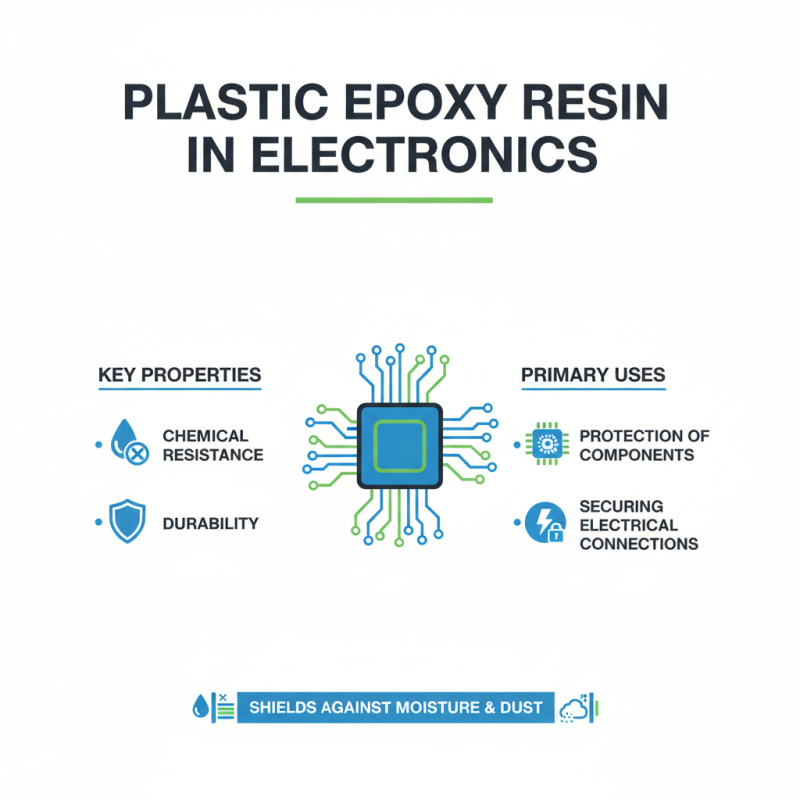
Plastic epoxy resin is increasingly important in the electronics sector. Its chemical resistance and durability make it ideal for protecting delicate components. Devices like circuit boards often use this material to secure electrical connections. The resin acts as a shield, preventing moisture and dust intrusion.
However, the production process can be tricky. Ensuring a proper mix is crucial. If the ratio is off, the resin may not cure correctly. This can lead to weak spots that compromise device functionality. Crafting reliable connections demands precision and attention to detail in every step.
**Tip:** When working with epoxy resin, always double-check measurements. Small errors can create major issues.
Additionally, curing time can vary significantly. Rushing this process can result in less durable products. It's essential to follow guidelines closely to achieve the best results. Innovation in this area continues to evolve. Stay updated on developments and new techniques that may improve your projects.
**Tip:** Keep a log of your mixing ratios and curing times. This can help refine your process. Experimentation can also yield surprising benefits, but documentation is key.
Role of Plastic Epoxy Resin in Arts and Crafts Projects
Plastic epoxy resin is becoming a favorite choice in arts and crafts. Artists appreciate its durability and versatility. This material can be molded into intricate shapes. It allows for a smooth finish and vibrant colors. Many crafters use epoxy for jewelry making. The finished pieces look professional and polished.
Another popular use is in creating decorative items. Coasters and tabletops made with epoxy are unique. They can incorporate glitter or dried flowers, which adds personal flair. However, achieving the perfect mixture can be tricky. Too much hardener can lead to a cloudy finish. Artists often have to experiment with ratios.
Mistakes can happen during the curing process. Bubbles may form and ruin a project. Learning from these challenges helps improve skills. Patience is essential when working with plastic epoxy resin. It can be frustrating at times, but the results can be stunning. Embracing imperfections can lead to unexpected, artistic outcomes.
Benefits of Using Plastic Epoxy Resin in Marine and Aerospace Industries
Plastic epoxy resin is a game-changer in industries like marine and aerospace. Its strength and resilience make it ideal for harsh conditions. In marine applications, epoxy resin provides excellent water resistance. It bonds well with various materials, ensuring durability. This is crucial for boats and other watercraft.
Aerospace applications benefit from the lightweight nature of epoxy resin. The low weight contributes to overall fuel efficiency. This is vital for flight safety and performance. Engineers often choose epoxy for its ability to withstand extreme temperatures. It's essential for components exposed to heat and stress.
Tips for using plastic epoxy resin: Always ensure surfaces are clean before application. This creates a secure bond. Another tip involves using the right curing temperature. Optimal conditions enhance the properties of the epoxy. However, improper mixing ratios can lead to weak joints. A thoughtful approach is essential here.