Top Water Drainage Solutions for 2026 What to Look For?
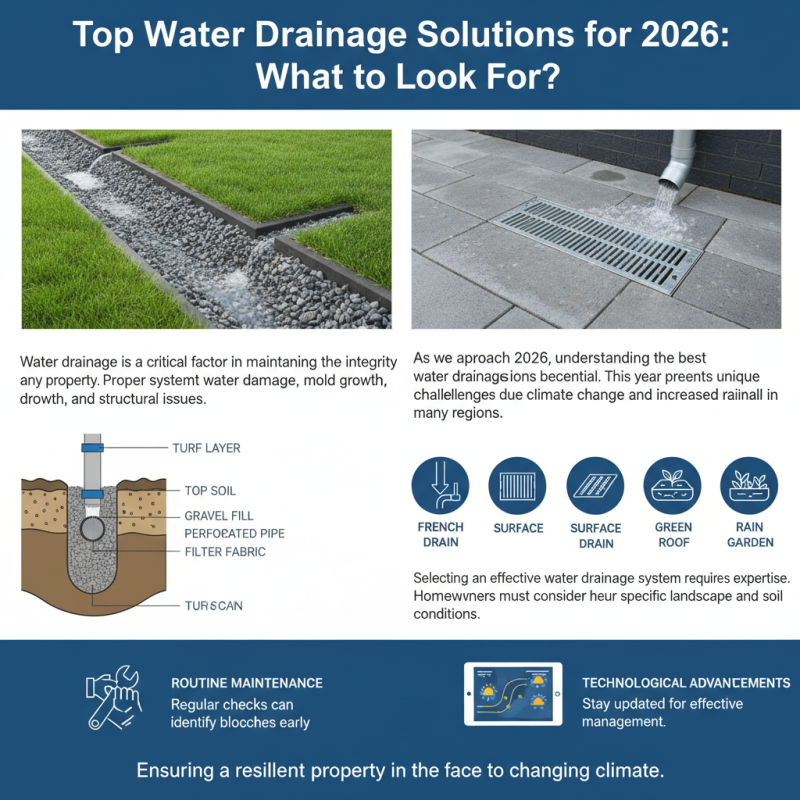
Water Drainage is a critical factor in maintaining the integrity of any property. Proper systems prevent water damage, mold growth, and structural issues. As we approach 2026, understanding the best water drainage solutions becomes essential. This year presents unique challenges due to climate change and increased rainfall in many regions.
Selecting an effective water drainage system requires expertise. Homeowners must consider their specific landscape and soil conditions. Different solutions, from French drains to surface drains, are available. Each option has its strengths and weaknesses. Research is vital to avoid common pitfalls that could lead to costly repairs.
In our quest for optimal water drainage, we often overlook the importance of routine maintenance. Regular checks can identify blockages early. Ignoring small issues can lead to bigger problems down the line. Understanding these nuances, along with staying updated on technological advancements, can ensure effective management of water drainage in the years ahead.
Top Water Drainage Solutions for 2026: Emerging Trends in Sustainability
As we look ahead to 2026, sustainable water drainage solutions emerge as a crucial focus area. Traditional systems often fail to consider environmental impacts. New approaches incorporate natural materials and efficient designs. These methods not only manage water flow but also enhance green spaces. Rain gardens and permeable pavements are gaining traction, allowing water to soak into the ground, reducing runoff.
Additionally, innovative technologies play a vital role. Smart drainage systems leverage sensors to monitor water levels in real-time. This data-driven approach enables proactive management and minimizes flooding risks. However, integrating technology with nature can be complex. Striking a balance between efficiency and sustainability requires ongoing research and collaboration among experts.
A challenge lies in educating stakeholders about these solutions. Communities must be informed about the benefits of sustainable drainage. Also, financial investments are critical yet often limited. Future discussions should include public engagement to foster awareness and support. By embracing emerging trends, we can create resilient urban environments that protect both water resources and ecosystems.
Innovative Technologies in Water Drainage: A Look at Smart Solutions
The landscape of water drainage is evolving rapidly, especially with the advent of smart technologies. Research indicates that the global smart drainage market is projected to reach $10 billion by 2026, reflecting a growing need for efficient water management solutions. Innovations such as IoT-enabled sensors are enhancing the way drainage systems operate. These sensors monitor water levels in real time, helping to prevent flooding and waterlogging.
Moreover, AI-based analytics can predict rainfall patterns with remarkable accuracy. According to a recent report by the Water Management Association, predictive analytics can reduce drainage related damages by up to 30%. However, the implementation of these advanced systems isn't without challenges. There are concerns regarding data privacy and the technical skill required to manage these smart solutions effectively.
Collaboration among engineers, environmentalists, and technology providers is crucial. This integrated approach can lead to more resilient drainage systems. Yet, the rapid pace of innovation sometimes leaves gaps in infrastructure readiness, posing a risk. As cities prepare for climate change, the focus must be on building adaptable systems that can respond to unpredictable weather phenomena. These developments highlight the importance of ongoing research and investment in sustainable drainage solutions.
Key Factors to Consider in Material Selection for 2026 Drainage Systems
When selecting materials for drainage systems in 2026, key factors come into play. Durability is paramount. The materials chosen must withstand various weather conditions. Robust options like polymer composites show promising results. These materials resist corrosion much better than traditional options.
Another essential aspect is sustainability. The drainage solutions should be environmentally friendly. Look for materials that are recyclable or made from recycled components. Increasingly, innovative technologies allow for more eco-conscious choices without sacrificing performance. However, these options might come with a higher upfront cost.
Cost-effectiveness must also be examined. While investing in high-quality materials can save money in the long run, budget constraints are real. Some cheaper alternatives may not perform well over time, leading to additional expenses. Reflecting on these factors will help you make informed decisions. Each project presents unique challenges that require tailored solutions.
Top Water Drainage Solutions for 2026
This chart illustrates the projected usage percentage of various water drainage materials for 2026. Polypropylene is expected to dominate the market, followed by PVC and concrete, while eco-friendly materials are gaining ground as sustainability becomes a priority.
Comparative Analysis: Cost-Effectiveness of Various Drainage Methods
Water drainage is a crucial aspect of construction and landscaping. In 2026, various methods exist, each with unique advantages and costs. A comparative analysis shows that traditional solutions like French drains average around $20-$30 per linear foot. In contrast, modern solutions, such as trenchless drainage systems, can exceed $50 per linear foot. This disparity in cost raises questions about long-term efficiency and effectiveness.
Investing in advanced systems may seem costly. A report from the American Society of Civil Engineers suggests that trenchless technology often results in reduced maintenance costs and minimizes landscape disruption. However, the initial expense can be a barrier for many homeowners. Not every situation justifies the expense of cutting-edge methods. Local soil conditions and drainage needs must be rigorously evaluated to ensure the right choice.
Some less common solutions, like green drainage systems, are gaining traction. These can be more economical in the long term, as they often improve water absorption and promote vegetation. However, they may require more space and are not feasible for high-density areas. This complexity highlights the need for effective evaluation techniques. Finding the balance between upfront costs and ongoing maintenance is critical for making informed decisions.
Regulatory Standards and Environmental Impacts on Future Drainage Solutions
In 2026, effective water drainage solutions will hinge on regulatory standards and environmental impacts. Governments are increasingly prioritizing sustainable practices. These regulations will shape innovative drainage approaches. Future designs must emphasize eco-friendliness and resilience.
Consider the environmental aspect of your drainage solution. Rain gardens can absorb stormwater, reducing runoff. Incorporating native plants into these designs can minimize maintenance and costs. Additionally, permeable pavements allow water to seep through. This reduces overflow in urban areas.
Tips: Always assess local regulations before implementing new drainage systems. Compliance can save you time and money. Engaging with community resources can enhance your understanding. Remember, a poorly executed drainage system can lead to significant challenges. Reflect on how your choices impact the surrounding ecosystem.
Top Water Drainage Solutions for 2026
| Solution Type | Regulatory Standards | Environmental Impact | Key Features | Future Trends |
| Green Roof Systems | LEED Certification | Reduction of urban heat islands | Stormwater management, biodiversity enhancement | Increased adoption in urban areas |
| Permeable Pavement | EPA Standards | Improved groundwater recharge | Load-bearing capacity, aesthetic versatility | Integration with smart city technologies |
| Rainwater Harvesting Systems | Local Building Codes | Conservation of potable water | Cost savings, stormwater diversion | Increased incentives and rebates |
| Bioretention Cells | NPDES Regulations | Pollution filtration | Native plant integration, high aesthetic value | Increased focus on biodiversity |
| Smart Drainage Systems | Data Collection Standards | Efficient resource management | Real-time data analytics, remote monitoring | Integration with IoT and AI technologies |