How to Use Calcium Carbonate Food Additive in Food Products?
Calcium Carbonate Food Additive plays a crucial role in the food industry. According to the Food and Drug Administration, this compound is recognized as safe for consumption. Its multifunctional properties enhance the nutritional profile and texture of various products. The global calcium carbonate market is valued at over $20 billion, indicating its importance across various sectors.
In food products, Calcium Carbonate serves multiple purposes. It acts as a firming agent, a pH control agent, and a source of calcium. Despite its benefits, some consumers express concerns about additives. This raises questions about transparency and the need for education on food components. Manufacturers must address these issues to build consumer trust.
Understanding how to use Calcium Carbonate effectively can enhance product quality. Many companies utilize it in baked goods and dairy products for improved texture. However, not all applications yield positive results. Companies should continually assess the impact of this additive on overall product quality. Proper research and regulatory compliance are essential for positive outcomes.
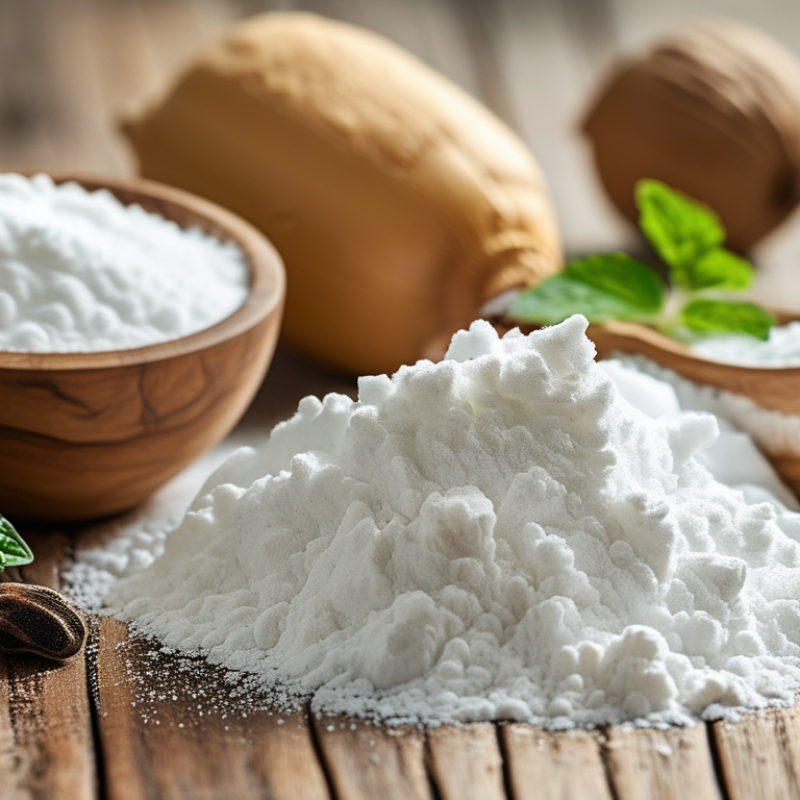
Understanding Calcium Carbonate as a Food Additive
Calcium carbonate is widely used as a food additive. It is an effective source of calcium and a popular leavening agent. According to the Food and Drug Administration (FDA), calcium carbonate is classified as Generally Recognized As Safe (GRAS). This classification allows food manufacturers to use it without extensive safety testing.
Research shows that the global calcium carbonate market will reach $34.03 billion by 2025, with the food industry accounting for a significant share. This reflects the growing demand for calcium-rich products. Calcium carbonate can be found in various food items like baked goods, dairy products, and beverages. Its role extends beyond nutrition; it also improves product texture and can serve as a coloring agent.
Using calcium carbonate comes with challenges. High concentrations can lead to taste alterations. Consumers are increasingly aware of additives in their foods. Transparency about ingredient sources and their functions is crucial. Manufacturers must balance enhancing food quality with maintaining natural flavors. Monitoring regulatory guidelines is vital to ensure compliance and consumer trust.
Applications of Calcium Carbonate in Various Food Products
Calcium carbonate is a versatile food additive widely used in various food products. It primarily acts as a calcium supplement, which is essential for bone health. Research indicates that around 99% of the calcium in the human body is stored in bones and teeth. Foods enriched with calcium carbonate can help address calcium deficiencies in diets. This is especially important as many populations do not consume enough dairy and leafy greens, which are traditional calcium sources.
In addition to its role as a dietary supplement, calcium carbonate serves other functions. It acts as an anti-caking agent in powdered products. A study by the Food Additive Status Review found that its use helps maintain the texture and flavor of dry mixes. For instance, it prevents clumping in powdered cheese and instant sauces. Furthermore, it can improve the appearance of baked goods, providing a brighter color and finer texture.
Food manufacturers often face challenges when incorporating additives. The right balance is crucial to avoid altering the product’s taste. Some consumers may not accept a chalky aftertaste or gritty texture. It's essential to conduct thorough testing to ensure quality and acceptance. A 2021 survey revealed that 25% of consumers are wary of additives in their food. Therefore, transparency about ingredient use is key to gaining consumer trust.
Recommended Dosage and Usage Guidelines for Calcium Carbonate
Calcium carbonate is a versatile food additive. It serves various purposes, such as a leavening agent and a calcium source. Understanding the recommended dosage is crucial for effective use. In general, a dosage of 1% to 2% of the total weight of food products is common. However, it depends on the specific application.
For instance, when used in baked goods, calcium carbonate aids in proper rising. It can also enhance the texture of pasta. Using too little may not yield desired results, while too much can affect taste and texture. It's essential to measure accurately. Remember, food safety is paramount.
In beverages, the dosage may differ. Adding 0.5% to 1% can help adjust acidity and improve mouthfeel. Care should be taken to ensure it dissolves completely. Lack of proper mixing can lead to unevenness. Always conduct tests before large-scale production to refine your usage. Understanding your product will lead to better outcomes.
Safety, Regulations, and Health Considerations in Food Use
Calcium carbonate is a common food additive, recognized for its functions as a calcium fortifier and a texture enhancer. Regulatory bodies, including the FDA and EFSA, deem it safe when used within recommended limits. The acceptable daily intake is set at 1,000 mg per day for adults. Despite its safety profile, excessive consumption can lead to health issues like kidney stones and gastrointestinal discomfort.
Understanding the regulations surrounding calcium carbonate is crucial for food companies. Labeling must accurately reflect its use and concentration, adhering to local guidelines. It is essential to monitor the purity of the additive, as contaminants could pose health risks. Data from the European Food Safety Authority indicates that around 80% of food industry professionals ensure compliance with these regulations, yet a significant gap remains in smaller producers.
Tips: Always verify the source of your calcium carbonate. Choose suppliers who provide transparency in their testing protocols. Regular audits can help identify compliance issues early on. Engage with food safety experts to ensure the latest guidelines are followed. Balancing compliance and consumer expectations can be challenging but is necessary for maintaining product integrity.
How to Use Calcium Carbonate Food Additive in Food Products?
| Aspect | Details |
| Chemical Formula | CaCO₃ |
| Common Uses | Antacid, calcium supplement, pH regulator, thickening agent |
| Safety Regulations | Generally Recognized as Safe (GRAS) in food usage |
| Daily Intake Limit | Up to 2500 mg per day for adults |
| Health Considerations | May cause gastrointestinal discomfort if consumed in large amounts |
| Forms Available | Powder, granules, tablets |
| Solubility | Slightly soluble in water; more soluble in acidic solutions |
| Interactions with Other Additives | May interact with certain acids; check compatibility in formulations |
Alternative Sources and Forms of Calcium Carbonate in Food Production
Calcium carbonate is a versatile additive in food production. It serves various roles, such as a calcium source, an acidity regulator, and a firming agent. Its natural occurrence makes it a safe choice for food processing. According to a report by the Food and Agriculture Organization, the global calcium carbonate market is projected to grow significantly. The demand for natural food additives drives this market.
Alternative sources of calcium carbonate include marine sources and lime-derived products. Some producers use chalk or marble powder due to their high purity levels. This method may raise concerns about contamination. The quality of these alternatives can vary widely, impacting food safety. Additionally, sustainable sourcing is critical. Consumers increasingly prefer environmentally friendly options.
Calcium carbonate is available in multiple forms, such as powder, granules, and tablets. Each form has different applications, influencing texture and taste. Producers must carefully consider which form suits their products best. While using calcium carbonate offers benefits, overuse can lead to chalky textures. Balancing consumer preferences with ingredient functionality requires thoughtful reflection in product development.