Phosphoric acid is widely used in industrial metal and surface treatment. It removes light rust, mineral scale, and oxide residues from steel parts. The acid also reacts with the metal surface, forming a thin phosphate conversion layer. This layer improves paint adhesion and can slow later corrosion. It starts with preparation.
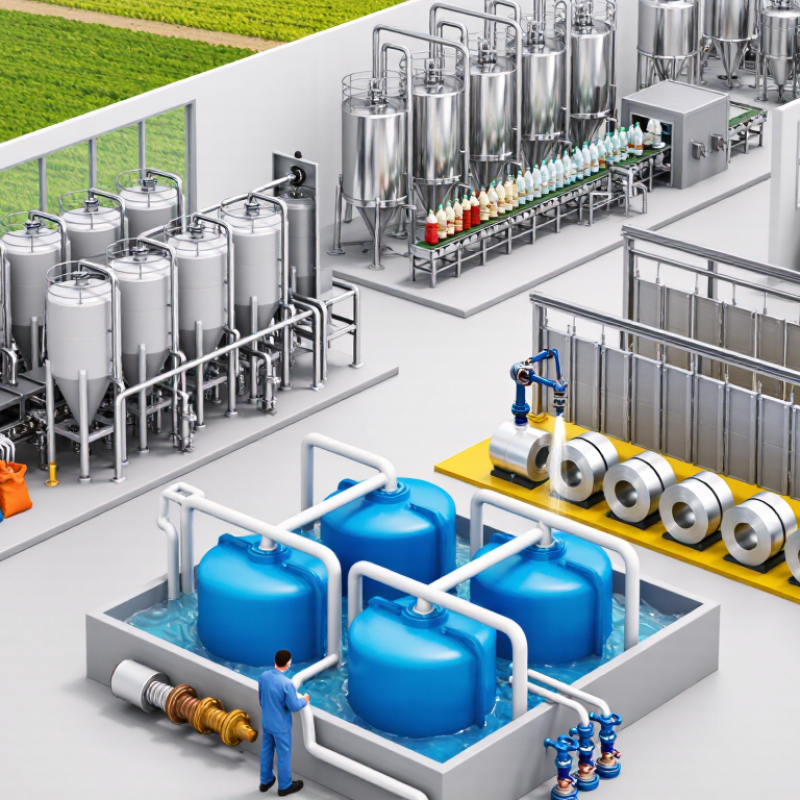
Operators clean oil and dust before applying the acid. They may use immersion tanks, spray systems, or controlled wiping methods. Bath temperature, concentration, and contact time require close monitoring. Short contact may leave rust behind. Excessive exposure can darken the surface or cause uneven etching. Small details matter. After treatment, workers rinse the parts thoroughly and dry them quickly. An incomplete rinse may leave acidic residues beneath paint or coatings.
For painted steel, phosphate treatment can improve coating durability when the surface is correctly prepared. Zinc and manganese phosphating are common choices for different performance needs. Aluminum requires more careful control because it reacts differently and may suffer uneven attack. The process is not foolproof. Technicians should test a small area before full production, especially when metal grade or surface condition changes. They should also inspect coating weight, appearance, adhesion, and corrosion resistance. Wastewater needs neutralization and regulated handling. A clean, consistent surface remains the real measure of success.