
An Anodized Aluminum Profile can offer a practical balance of low weight, corrosion resistance, and a clean architectural finish. Anodizing changes the aluminum surface through an electrochemical process, creating an oxide layer rather than adding a conventional paint film. The result can suit window frames, machine guards, display systems, and outdoor structures. It also comes in finishes that range from clear silver to darker tones.
The benefits depend on the alloy, coating thickness, and quality of processing. A profile used beside the coast may face different conditions from one installed inside a dry warehouse. Scratches, contact with other metals, and harsh cleaning products can also affect appearance over time. Details matter.
When comparing options, check the finish specification, dimensional tolerances, and compatibility with connectors or fasteners. Anodizing may slightly change dimensions, which can matter in close-fitting assemblies. Ask suppliers for technical data and, where appearance is critical, a sample made with the intended alloy and finish. A polished sample can look different under warehouse lighting than it does in daylight. Not always obvious.
Anodized aluminum is not automatically the right choice for every project. Some applications may need a different coating or additional protection. A careful review of the operating environment, maintenance needs, and budget can help determine whether the finish is a sound fit. This guide explores those trade-offs and the questions worth asking before you specify a profile.
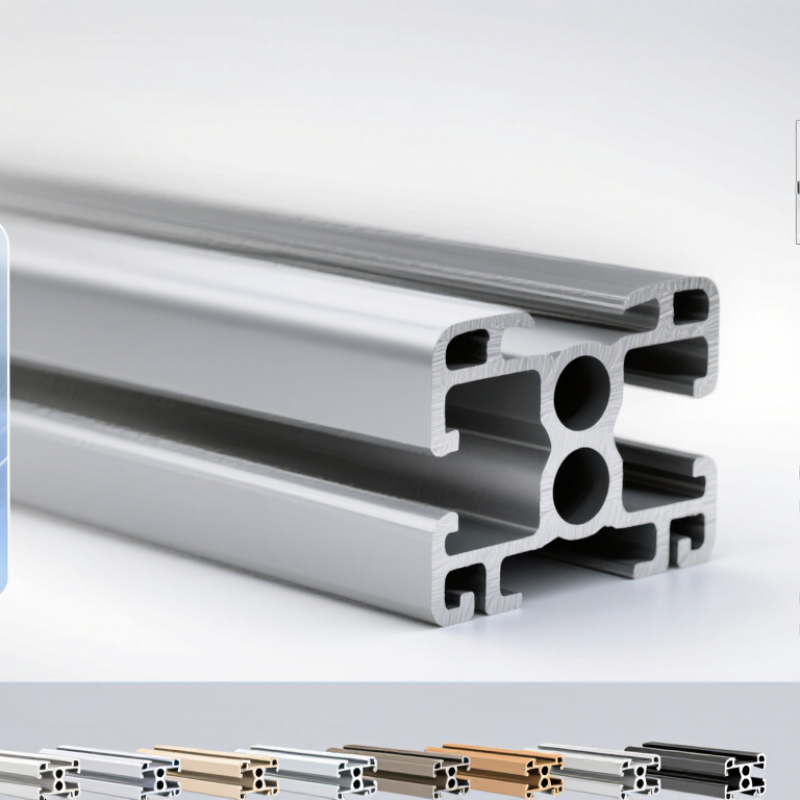
Anodized aluminum profiles are extruded aluminum shapes with a protective oxide layer created through an electrochemical process. This layer becomes part of the surface rather than sitting on top like ordinary paint. It can improve resistance to wear and corrosion while giving the profile a consistent finish. Profiles may be clear, colored, or matte. The result depends on the alloy, preparation, and anodizing conditions. It is not a universal finish.
Tips: Check the profile’s intended environment before choosing a finish. For outdoor use, ask about coating thickness and color stability. Small details matter.
Anodizing can suit frames, rails, and architectural trim that need a durable, clean-looking surface. It does not make aluminum immune to scratches, salt, or harsh chemicals. Edges and cut ends may also behave differently from the treated face. That distinction is easy to overlook. Before specifying a profile, compare samples under the project’s actual lighting and inspect corners closely. A finish that looks uniform in a catalog may appear different beside glass, stone, or warm interior lighting.

Anodizing begins with a clean aluminum part. Technicians remove oil and surface residue, then may etch or brighten the metal. These steps affect the final appearance. Even fingerprints or uneven cleaning can leave visible differences.
The part is connected as the anode in an electrolytic bath, often containing a sulfuric acid solution. When direct current passes through the bath, oxygen reacts with the aluminum surface and forms an aluminum oxide layer. Unlike paint, this layer grows from the metal itself. Its tiny pores can absorb dye before sealing closes them.
Small details matter. Bath temperature, current, processing time, and alloy composition all influence coating thickness and color. That is why two alloys may not produce identical shades, even under similar conditions.
Sealing improves corrosion resistance, but anodizing cannot hide deep scratches or poor machining. A thin coating may also wear faster in abrasive service.
For a project, confirm the required finish and service environment with the processor before setting specifications. The process is dependable, but not perfectly uniform. That trade-off deserves attention.
Anodized aluminum profiles are useful because the surface is converted into a durable aluminum oxide layer, rather than covered with a coating that can peel. The layer helps resist corrosion and everyday abrasion on window frames, railings, and equipment housings. It can also hold color while leaving the metal’s grain visible. That finish is not invincible. Sharp tools and gritty cleaning pads can still mark it.
Thickness matters. AAMA 611, an industry specification for architectural anodized aluminum, sets minimum coating thicknesses of about 18 micrometers for Class I and 10 micrometers for Class II finishes. These benchmarks help designers compare finishes, but they do not guarantee identical performance in every environment. Salt spray, trapped moisture, and poor drainage can shorten service life. A coastal handrail, for example, needs sensible detailing as well as a suitable finish.
Anodized profiles also retain aluminum’s low weight and can provide electrical insulation at the surface. The oxide layer is integral to the metal, so routine handling is less likely to cause flaking than with some applied coatings. Still, repairs can be difficult to blend seamlessly. That trade-off deserves attention. AAC technical guidance describes anodizing as a way to improve corrosion and wear resistance, while noting that results depend on alloy, preparation, and process control. A sample finish is worth inspecting before specifying long profile runs.
Anodized aluminum profiles are common in building interiors and façades. They frame windows, sliding doors, partitions, and display systems. In a busy office, a slim profile can hold glass panels while keeping the frame visually light. Anodized surfaces also suit handrails and trim, where regular contact makes scratch resistance useful. The finish is not indestructible, though. Grit, harsh cleaners, or repeated impact can mark it over time.
Manufacturers also use these profiles in machinery guards, equipment enclosures, lighting housings, and furniture frames. Their low weight helps when a structure must be moved or mounted overhead. In electronics, profiles can support panels and help spread heat, depending on the design and contact between parts. They are useful outdoors, too, for signage frames and certain shade structures. Choose the alloy, wall thickness, and finish for the actual load and exposure. A coating on the outer face will not protect a freshly cut edge equally. Color can vary slightly between production batches, which matters when several sections meet in a visible area. Check samples under the project’s real lighting. It sounds obvious, but it is often missed.
Choosing an anodized aluminum profile starts with the job it must do, not its catalog shape. Will it support a moving panel, hide wiring, or form a visible frame? Note the load, span, mounting points, and expected impacts. A 20-by-20-millimeter section may look adequate on screen, yet flex across a long unsupported span. Check load data, then compare it with your actual assembly. Measure twice.
Match the profile to its environment and connection method. Indoor display frames face different demands from outdoor rails exposed to rain, grit, and frequent handling. Anodizing can improve surface wear and corrosion resistance, but it cannot protect every alloy or cut edge from damage. Ask for the alloy, temper, coating thickness, and dimensional tolerances. Fit matters. Test a short sample before a full order if brackets, T-nuts, or sliding parts are involved. Coating and machining variations can affect assembly.
Balance strength, appearance, and workability. Deep grooves may simplify adjustable joints, while a slimmer profile can reduce weight and visual bulk. Check whether the section can be cut, drilled, or joined with tools available on site. I would not choose by finish color alone; a dark sample may hide scratches under showroom lighting but reveal them in daylight. Leave room for imperfect measurements, especially when several pieces must align.
| Selection Factor | What to Evaluate | Practical Guidance | Why It Matters |
|---|---|---|---|
| Operating environment | Exposure to moisture, outdoor weather, handling, cleaning agents, or coastal conditions. | Anodizing can improve surface corrosion and wear resistance, but the required finish and sealing depend on the exposure. Test compatibility where salts or chemicals are present. | Choosing a finish for the actual environment helps reduce staining, surface damage, and premature maintenance. |
| Profile geometry | Cross-section shape, overall dimensions, mounting features, and available space. | Choose the simplest section that meets the functional requirements. Use channels, angles, or T-slot sections where their shape supports the intended assembly; verify dimensions against the supplier’s extrusion tolerances. | Geometry affects fit, assembly, stiffness, weight, and whether accessories can be attached. |
| Load and deflection | Load direction, span, support points, vibration, and acceptable deflection. | Have the section checked for the project’s actual loading and boundary conditions. Wall thickness alone does not determine strength; section shape, alloy, temper, and span also matter. | Engineering checks help prevent excessive bending or failure without relying on a generic profile size. |
| Alloy and temper | Required strength, form, extrusion availability, and desired surface appearance. | 6063 is commonly used for architectural and general-purpose extrusions where surface finish is important. 6061 is often selected where higher strength is needed. Confirm the specific temper and finish suitability with the supplier. | Alloy and temper influence mechanical properties, extrusion options, and the appearance of the anodized surface. |
| Anodized finish | Color, gloss, texture, coating specification, sealing, and visible-surface requirements. | Clear anodizing preserves a metallic appearance; dyed finishes provide color options. Color and appearance can vary with alloy, surface preparation, and processing, so approve a representative sample for visible parts. | Agreeing on a sample and finish requirements helps manage color variation between production runs or components. |
| Electrical and contact requirements | Grounding points, electrical contact, sliding interfaces, and threaded or mating surfaces. | Anodized aluminum oxide is electrically insulating. Specify masked or otherwise prepared contact areas when electrical continuity is required, and check fit where coating thickness affects mating parts. | The finish can affect conductivity, assembly clearances, and contact between components. |
| Fabrication and assembly | Cutting, drilling, machining, joining, fasteners, and assembly sequence. | Plan fabrication steps before finishing. Cutting or machining after anodizing exposes untreated aluminum at the worked area; protect or refinish those areas if appearance or corrosion performance requires it. | Early process planning helps avoid visible damage, rework, and inconsistent surface protection. |
| Cost and supply | Tooling needs, standard versus custom sections, order quantity, lead time, and finish consistency. | Check whether a standard extrusion meets the design before commissioning a custom die. Compare total project cost, including finishing, fabrication, shipping, and any testing. | A readily available standard profile can reduce tooling expense and shorten procurement time. |


All of Hapco's formulations are completely free of Mercury.

Hapco has been in business for over 50 years!

*NOTICE* Hapco will be will be closed on Monday, May 26th, in observance of Memorial Day. |
| Cookie | Duration | Description |
|---|---|---|
| cookielawinfo-checkbox-analytics | 11 months | This cookie is set by GDPR Cookie Consent plugin. The cookie is used to store the user consent for the cookies in the category "Analytics". |
| cookielawinfo-checkbox-functional | 11 months | The cookie is set by GDPR cookie consent to record the user consent for the cookies in the category "Functional". |
| cookielawinfo-checkbox-necessary | 11 months | This cookie is set by GDPR Cookie Consent plugin. The cookies is used to store the user consent for the cookies in the category "Necessary". |
| cookielawinfo-checkbox-others | 11 months | This cookie is set by GDPR Cookie Consent plugin. The cookie is used to store the user consent for the cookies in the category "Other. |
| cookielawinfo-checkbox-performance | 11 months | This cookie is set by GDPR Cookie Consent plugin. The cookie is used to store the user consent for the cookies in the category "Performance". |
| viewed_cookie_policy | 11 months | The cookie is set by the GDPR Cookie Consent plugin and is used to store whether or not user has consented to the use of cookies. It does not store any personal data. |