
A customer often meets the package before touching the product. That moment matters. A well-designed Designer Paper Box can make a brand feel considered, protect an item, and give its identity a physical form. Think of a matte surface, a crisp fold, or a logo placed where the hand naturally rests. These details are small, but they shape the first impression.
Graphic designer Paul Rand wrote, “Design is the silent ambassador of your brand.” His words offer a useful lens for packaging: a box communicates through its color, structure, material, and finish before anyone reads a product description. A thoughtful design can help products stand out on a crowded shelf or feel more memorable when opened. It can also support a consistent look across retail displays, gift packaging, and online orders. The result depends on the product and audience, not on decoration alone.
This outline explores why brands choose designer paper boxes, from visual recognition to unboxing experience and practical protection. It also considers material choices, printing details, and the balance between appearance and cost. Not every premium-looking box performs well; an awkward opening or fragile corner can undermine the impression. That is worth remembering. Good packaging is not automatically sustainable or effective, either. Those claims need evidence, and the design should fit the product’s real needs.
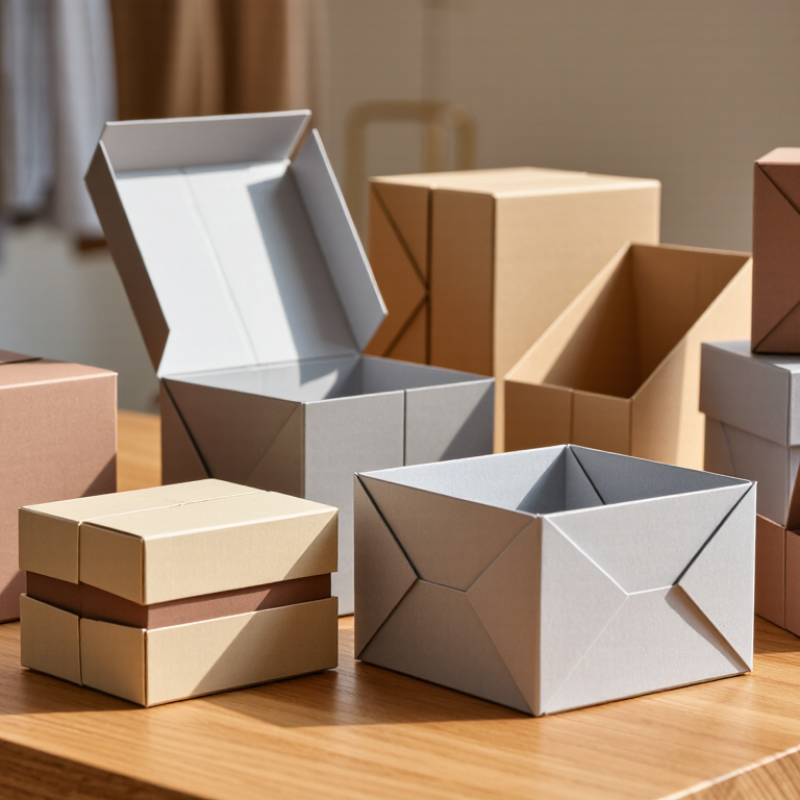
A designer paper box is more than a printed carton. It brings together structure, surface, graphics, and opening experience. A well-made box has clean corners, steady folds, and a lid that fits without forcing. Inside, a paper insert can hold a jar or small object firmly in place. The paper grain, muted coating, and restrained typography also shape how the product feels in the hand. Small details matter. Yet decoration alone does not make a box well designed; protection, usability, and material choices matter too.
Two Sides’ 2023 Trend Tracker found that 55% of surveyed consumers considered paper and cardboard packaging better for the environment than other packaging materials. PwC’s 2024 Voice of the Consumer Survey reported that consumers were willing to pay an average 9.7% more for sustainably produced or sourced goods. These findings offer context, not a guarantee that a particular box will change buying behavior. A paper box still needs to suit the product, avoid excessive empty space, and arrive in good condition. A glossy finish may photograph beautifully, but it can hide the paper’s texture. That trade-off deserves thought.

A designer paper box is paperboard packaging shaped and finished to suit a product’s presentation and protection needs. Paperboard’s established recycling stream is one practical consideration when choosing packaging.
In 2018, 68.2% of paper and paperboard generated in the United States was recycled. Actual recyclability depends on local collection rules and packaging condition; coatings and contamination can affect acceptance.
Source: U.S. Environmental Protection Agency, Advancing Sustainable Materials Management: 2018 Fact Sheet. Rates are for material categories in U.S. municipal solid waste, not specific box designs.
A designer paper box does more than look polished. Its rigid walls, folded corners, and fitted insert help limit movement during handling. A snug insert can keep a glass jar from knocking against the box wall, while a reinforced base supports heavier items. Small details matter. Yet a beautiful box can still fail if its size or board strength is poorly matched to the product.
Protection starts with testing, not appearance alone. The International Safe Transit Association’s procedures include simulated hazards such as drops, vibration, and compression. These tests help reveal weak seams or shifting inserts before products enter distribution. For a real order, test a packed sample with the actual product; an empty box behaves differently. This step takes time, but skipping it can cost more.
Material choices also shape the box’s end-of-life prospects. The U.S. Environmental Protection Agency’s 2018 Advancing Sustainable Materials Management report estimated that paper and paperboard packaging generated 41.9 million tons of waste, with 80.9% recycled. That figure is encouraging, but it describes a broad U.S. category, not every designer box. Coatings, laminates, and mixed-material inserts may complicate recovery. I would check the local recycling guidance rather than assume the box is recyclable. A plain paper finish may be less dramatic, and sometimes that is the more practical choice.
A custom paper box does more than protect a product. Its shape, color, texture, and opening experience can make a brand easier to recognize before a customer reads a label. A 2018 Ipsos survey for the Paper and Packaging Board found that 72% of U.S. consumers said packaging design influences their purchase decisions. That matters. Repeated visual cues, such as a consistent ink color or a distinctive lid, can help shoppers connect a package with an earlier encounter.
Recognition is built through repetition, not decoration alone. Custom sizing keeps products steady in transit, while printed interior panels can carry the same visual language into the unboxing moment. Dotcom Distribution’s e-commerce packaging study reported that 40% of consumers were more likely to make a repeat purchase from an online retailer when an order arrived in premium packaging. The finding is specific to online shopping, so it should not be treated as a universal rule. Still, it suggests that presentation can extend memory beyond the shelf.
A designer paper box also gives teams control over practical details: board thickness, finish, insert fit, and empty space. A matte surface feels different from a glossy one; a snug insert keeps a product from shifting. These choices should suit the product and its audience, not just a mood board. More expensive packaging is not automatically more memorable. Sometimes a subtle mark works better. Measure recognition through customer feedback or repeat-purchase data, then adjust. Packaging decisions can miss the mark.
Why Choose a Designer Paper Box for Your Brand?
Which Materials and Finishes Shape the Unboxing Experience?
A paper box sets the first physical impression before the product appears. Choose board by weight, structure, and surface: folding carton suits lighter goods, while rigid board offers a firmer, keepsake feel. Recycled fibers can add visible flecks and a softer tone; smooth, coated stock gives sharper color. The fit matters too. A snug insert keeps objects from shifting, but an overly tight one can make opening feel like a chore.
Finishes change how the box feels in the hand. Uncoated paper has a dry, tactile texture; matte coating softens glare, while embossing creates raised details customers can trace. Foil adds shine, but extensive coatings may complicate recycling. Dotcom Distribution’s 2016 e-commerce packaging survey found 40% of respondents were more likely to repeat a purchase after receiving premium packaging. That is useful context, not a guarantee: the survey is older, and packaging alone cannot make up for a poor product experience.
Think of a crisp lid lifting slowly, tissue rustling, and a small message beneath the insert. Small details matter. Yet more decoration is not always better. Test the box with real products and hands, including damp or cold conditions. A finish that looks elegant on a sample can scuff during shipping. Some choices need reconsidering.
| Design Element | Option | Material or Finish Characteristics | Unboxing Experience | Practical Considerations |
|---|---|---|---|---|
| Box material | Solid bleached sulfate (SBS) paperboard | Smooth, bright white paperboard with a uniform surface suitable for detailed printing. | Creates a clean, crisp presentation and helps printed colors and fine details appear clear. | Often selected for folding cartons. Board thickness and box structure should match the product’s weight and protection needs. |
| Box material | Recycled paperboard | Made with recovered fiber; its color and surface can vary by grade and furnish. | Can give packaging a natural, understated appearance, especially when the paper surface remains visible. | Print appearance may differ from that on bright white board. Recycled content alone does not establish whether a package is recyclable locally. |
| Box material | Kraft paperboard | Usually brown or natural in appearance, with a paper-like surface and visible fiber character. | Suggests a simple, tactile, natural look and pairs well with restrained printing. | Light-colored inks may look different on brown stock. Confirm the grade and strength required for the box design. |
| Box material | Corrugated board | Uses a fluted paper layer between linerboards; flute profile affects thickness and cushioning. | Provides a more substantial opening and can support protective shipping or presentation packaging. | Offers cushioning and stacking strength, but is thicker than folding carton board. Suitability depends on board construction and product requirements. |
| Surface finish | Uncoated paper surface | Leaves the paper texture exposed and generally has little or no added surface sheen. | Feels direct and paper-like, bringing attention to the stock’s texture and color. | Ink appearance and resistance to scuffing or moisture depend on the paper, ink, and handling conditions. |
| Surface finish | Aqueous coating | A water-based coating applied over printed surfaces; available in different sheen levels. | Can add a consistent surface appearance while retaining a lighter feel than a laminated film. | Protection varies by coating formulation and application. Check compatibility with the printer, adhesives, and intended recycling stream. |
| Surface finish | Matte or gloss film lamination | A thin plastic film is bonded to the printed surface; matte reduces shine, while gloss increases it. | Matte gives a subdued look; gloss creates stronger reflections and can make colors appear more vivid. | Can improve surface durability, but the film may complicate recycling in some systems. Confirm local collection and processing requirements. |
| Decorative finish | Foil stamping | Transfers a thin decorative foil layer to selected areas using a die, heat, and pressure. | Adds reflective highlights that draw attention to lettering, borders, or small design details. | Most effective when used selectively. Metallic appearance does not mean the finished package is made from metal. |
| Decorative finish | Embossing or debossing | Raises or presses down a design in the paperboard using a matched die and counter-die. | Creates a tactile reveal that can be noticed by touch as well as sight. | Results depend on board thickness, design detail, and die setup. Very fine details may not reproduce consistently on every stock. |
| Decorative finish | Spot UV coating | A glossy UV-cured coating applied to selected areas rather than the entire surface. | Creates contrast between coated highlights and the surrounding finish, guiding attention to chosen details. | Needs accurate registration with the printed design. It is a surface treatment, not a substitute for structural protection. |
| Presentation detail | Custom insert or fitted tray | A shaped paperboard or other insert holds the product in a defined position inside the box. | Organizes the reveal and can reduce movement when the insert is correctly designed for the product. | Allow for product dimensions, tolerances, assembly, and the insert material’s end-of-life requirements. |
A designer paper box can look polished, but its real value depends on the job it must do. Compare total cost, not just the quoted unit price. Setup charges, print coverage, inserts, and finishing can shift the budget, especially on small runs. Request a physical sample and check how the lid closes, how edges hold, and whether the product moves inside. Small details matter.
Sustainability needs evidence and context. Ask what percentage of the board is recycled, whether fiber sourcing is documented, and which coatings or laminations are used. A glossy finish may complicate recycling in some local systems. Confirm with the supplier and local waste guidance rather than relying on a green-looking surface. Lighter board can reduce material use, but it must still protect the contents during shipping. That balance is easy to underestimate. It matters.
Production planning starts with accurate dimensions, artwork files, and a realistic delivery date. Ask about minimum order quantities, proof approval, color variation, and lead times before committing. If the design uses foil, embossing, or a custom insert, confirm how each step affects cost and schedule. A simpler structure may work better for a first launch, yet too much simplification can make the unboxing feel forgettable. Review the box beside the product, under ordinary store lighting, and after a basic handling test.


All of Hapco's formulations are completely free of Mercury.

Hapco has been in business for over 50 years!

*NOTICE* Hapco will be will be closed on Monday, May 26th, in observance of Memorial Day. |
| Cookie | Duration | Description |
|---|---|---|
| cookielawinfo-checkbox-analytics | 11 months | This cookie is set by GDPR Cookie Consent plugin. The cookie is used to store the user consent for the cookies in the category "Analytics". |
| cookielawinfo-checkbox-functional | 11 months | The cookie is set by GDPR cookie consent to record the user consent for the cookies in the category "Functional". |
| cookielawinfo-checkbox-necessary | 11 months | This cookie is set by GDPR Cookie Consent plugin. The cookies is used to store the user consent for the cookies in the category "Necessary". |
| cookielawinfo-checkbox-others | 11 months | This cookie is set by GDPR Cookie Consent plugin. The cookie is used to store the user consent for the cookies in the category "Other. |
| cookielawinfo-checkbox-performance | 11 months | This cookie is set by GDPR Cookie Consent plugin. The cookie is used to store the user consent for the cookies in the category "Performance". |
| viewed_cookie_policy | 11 months | The cookie is set by the GDPR Cookie Consent plugin and is used to store whether or not user has consented to the use of cookies. It does not store any personal data. |